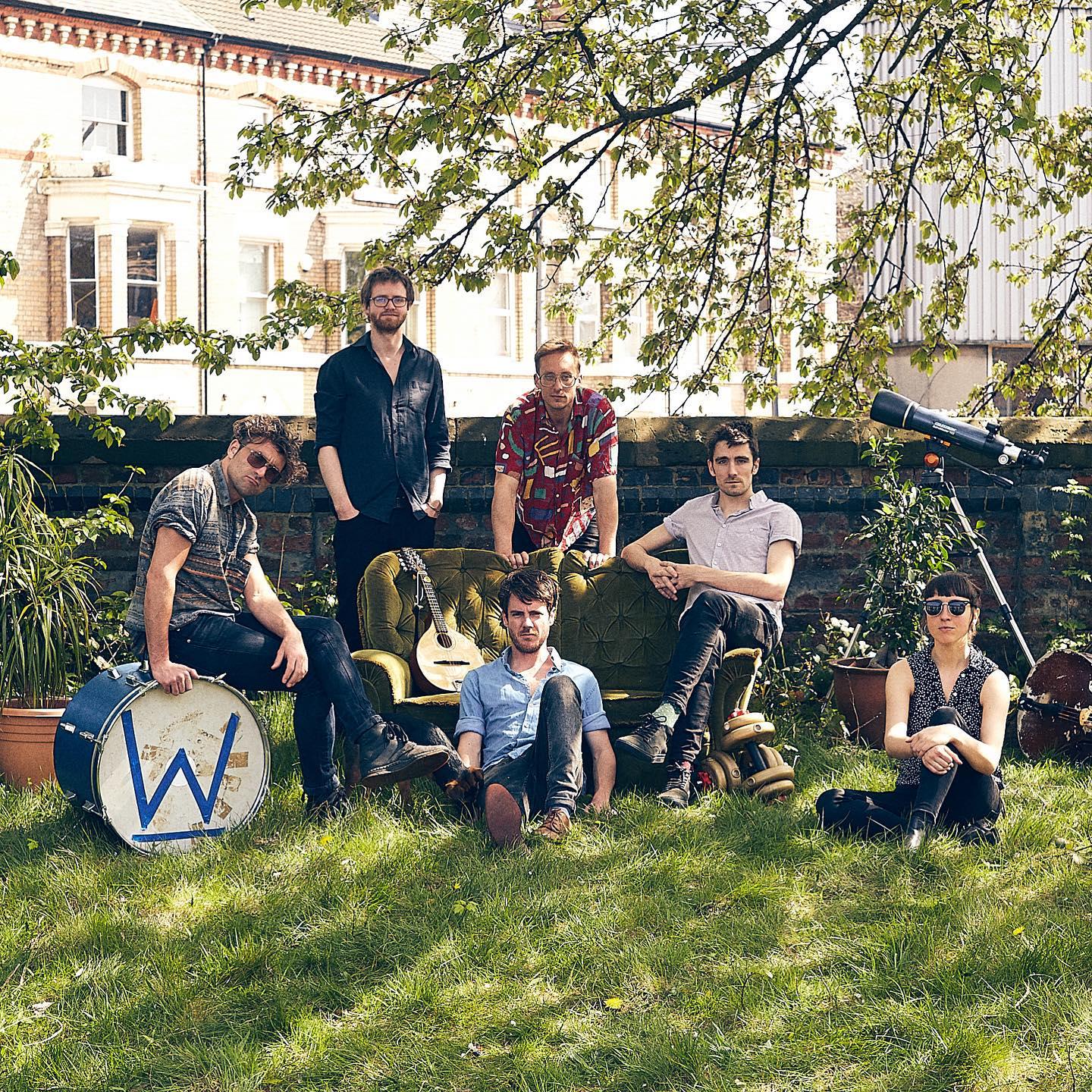
The Wanton String Band

Jazz
Big band Jazz
Newgrass
 Viberate Rank: 506868
 Viberate Rank: 506868
 Monthly ListenersFollowers
 Subscribers
 Followers
 Followers
 FansTop Spotify Songs
| Track | 7-Day Streams | |
|---|---|---|
1 | 111 | |
2 | 56 | |
3 | 54 | |
4 | 50 | |
5 | 24 |
Top YouTube VideosMonthly ListenersFeatured in PlaylistsAudience| City | Monthly Listeners | |
|---|---|---|
1 | | 29 |
2 | | 18 |
3 |  | 15 |
4 | | 10 |
5 | | 9 |
See full performance history, audience data, playlist activity, rankings, comparisons, and more in Viberate music analytics. Start with a free trial, then continue with a paid plan.
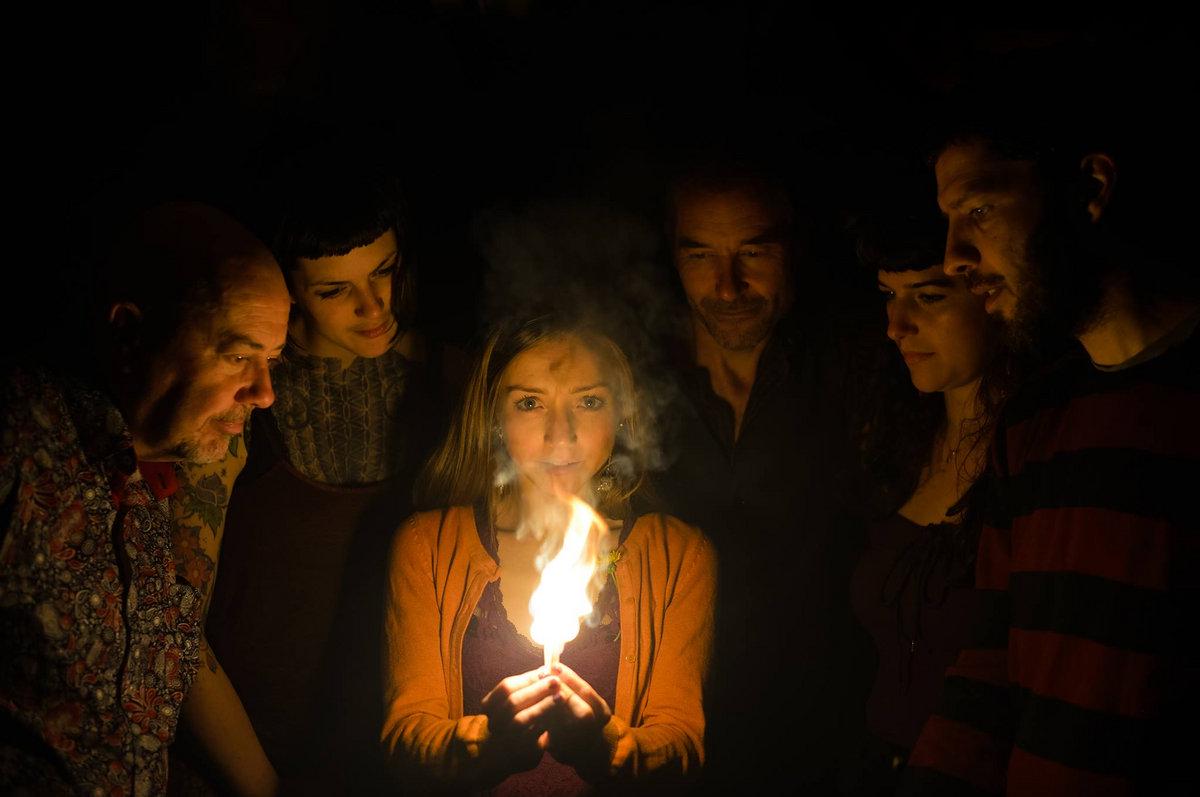
The Wanton String Band’s Spotify BioThe Wanton String Band play hedonistic folk-inspired psychedelic dance music. Their sound ranges from face-melting, trance-inducing renditions of fiddle tunes to synth-infused murder ballads, as showcased on their self-titled, seven-track debut album.
Enthralled/obsessed by Old Time music’s warm string sounds and hypnotic repetition, the Wanton String Band fused disparate influences with favourites from the Old Time canon to create their ecstatic, infectious take on traditional music, which has had audiences dancing on tables since their formation. The band’s live shows are exactly what their name suggests: raucous, playful, extravagant and, above all, fun.
The band is made up of Nathan Bontrager (fiddle, voice), Stuart Graham (bouzouki, voice), Chris Jones (mandolin), Ewan Macdonald (fiddle), Richard O’Flynn (drums, synth, voice) and Jess Whelligan (cello, voice).
The band comes from many different musical places: Ewan and Stuart were both teenage guitar strummers before they found their… true callings in the fiddle and the bouzouki; Jess began her musical career aged five by writing the unrecognised classic ‘Don’t Kill Fish’; Nathan was looking for God and then decided old time (along with baroque cello and viola da gamba) would do just fine instead; Chris was led down the well-trodden path from punk to traditional music by The Pogues; and for medical reasons Richard has to be drumming, singing or playing some other musical instrument for a minimum of 18 hours a day.
Viberate is a music analytics platform built for A&Rs, artist managers, labels, booking agents, marketers, and artists.
It helps music professionals track artist growth, analyze audience data, monitor playlist activity, compare artists, follow song performance, and identify opportunities across the music market.
Public artist pages provide a free preview of selected artist data. Paid plans provide access to deeper analytics, historical data, charts, comparisons, playlist tools, exports, alerts, reports, and additional professional features.
Yes. Public Viberate artist pages provide selected artist analytics and music data for free.
Viberate also offers a 7-day free trial of the full platform. A credit card is required to start the trial. The trial includes access to the complete product so users can test deeper artist analytics, historical views, playlist insights, comparisons, charts, exports, alerts, and reporting features before choosing a paid plan.
Viberate provides artist analytics across streaming, playlists, social media, video, radio airplay, songs, and audience markets.
Users can analyze Spotify performance, Spotify and Apple Music playlists, YouTube activity, TikTok and Instagram growth, radio spins, song performance, audience locations, demographics, rankings, and overall artist momentum.
Artist profiles also connect to music charts, similar artists, and comparison tools, helping users benchmark performance and evaluate artists in context.
Viberate updates key artist and track data daily.
For followed artists and tracks, selected data is refreshed multiple times per day. This helps teams monitor playlist changes, streaming movement, audience growth, releases, and campaign performance with more current data.
Update frequency can vary depending on the metric and data source.
Yes. Viberate lets users compare up to five artists side by side across streaming, social media, audience, and engagement metrics.
Users can compare fanbase growth, audience demographics, locations, Spotify performance, social metrics, and other artist data over selected time periods.
Artist comparison can be used for A&R scouting, benchmarking, booking decisions, campaign planning, and evaluating artists with similar audiences or market positions.