The Wallflowers

Rock
Alternative Rock
Pop Rock
 Viberate Rank: 10094
 Viberate Rank: 10094
 Monthly ListenersFollowers
 Subscribers
 Followers
 Followers
 FansTop Spotify Songs
| Track | 7-Day Streams | |
|---|---|---|
1 | 1.38M | |
2 | 209.63K | |
3 | 74.03K | |
4 | 64.80K | |
5 | 60.03K |
Top YouTube VideosMonthly ListenersFeatured in Playlists| Playlist | Followers | |
|---|---|---|
1 |  All Out 90s Spotify | 8.72M |
2 |  90s Acoustic Spotify | 2.45M |
3 |  90s Pop Rock Spotify | 1.53M |
4 |  90s Road Trip Spotify | 1.40M |
5 |  Chill Rock Spotify | 951.21K |
Audience| City | Monthly Listeners | |
|---|---|---|
1 |  | 80.56K |
2 |  | 56.91K |
3 |  | 55.00K |
4 |  | 54.92K |
5 | | 54.88K |
See full performance history, audience data, playlist activity, rankings, comparisons, and more in Viberate music analytics. Start with a free trial, then continue with a paid plan.
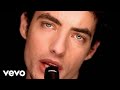
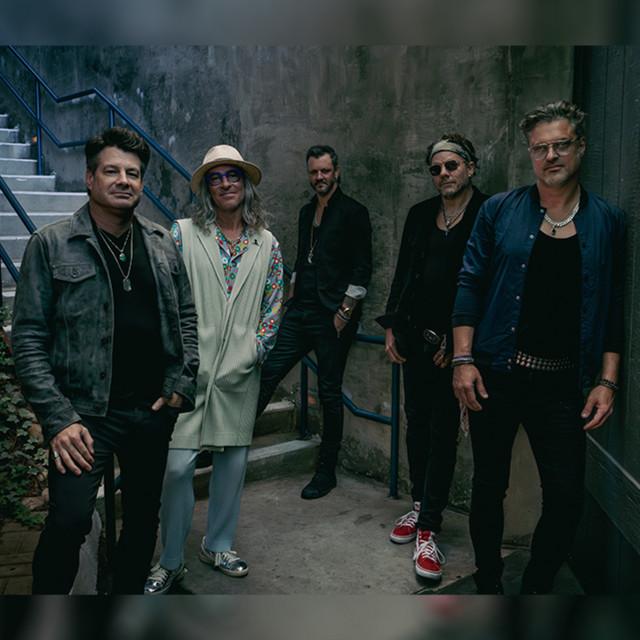
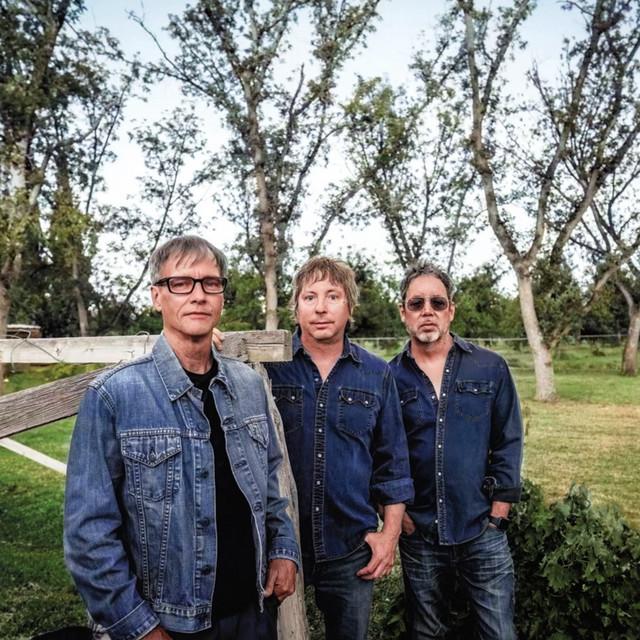
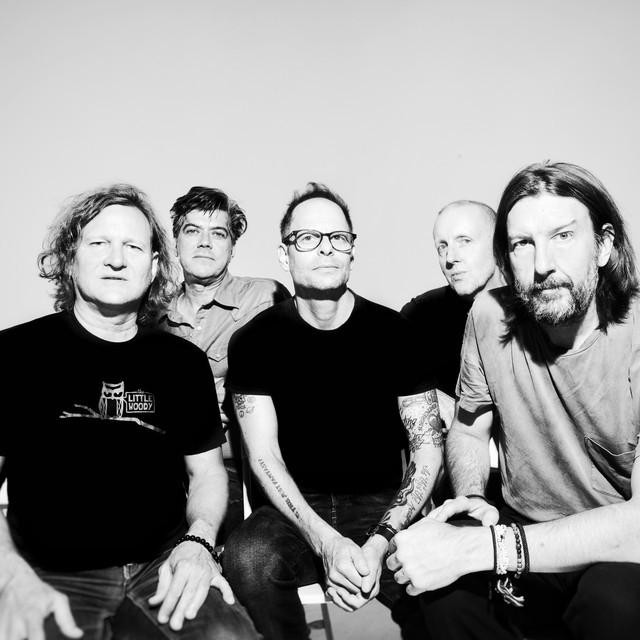
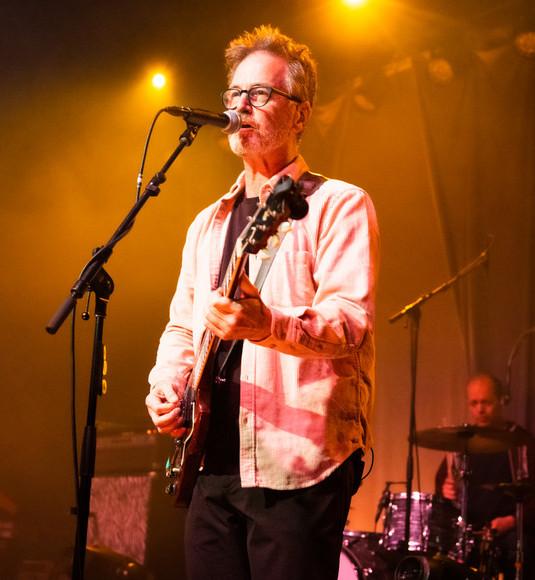
The Wallflowers’ Spotify BioA band whose sound walked a tightrope between the rootsy and accessible end of alternative rock and the straightforward, arena-friendly sound of acts like Tom Petty and Bruce Springsteen, the Wallflowers were the brainchild of guitarist, songwriter, and vocalist Jakob Dylan. While he was initially best known for being the son of iconic singer/songwriter Bob Dylan, the Wallflowers made it clear that he had a sound and creative voice all his own, and he proved to be a strong bandleader who was capable of keeping the group's personality consistent despite frequent personnel changes through their history. The Wallflowers broke through with their sophomore album, 1996's multi-platinum Bringing Down the Horse, while 2005's Rebel, Sweetheart saw them adding extra muscle to their sound, and 2021's Exit Wounds was a confident comeback effort released after a nine-year hiatus from the studio.
Born in 1970, Jakob Dylan was raised in Los Angeles by his mother, Sara Lowndes, after his parents'… divorce in 1977. He studied at private schools in L.A. and New York, and decided to follow in his father's footsteps by the late '80s. He formed the Wallflowers with guitarist Tobi Miller, keyboard player Rami Jaffee, bassist Barrie Maguire, and drummer Peter Yanowitz and signed to Virgin. Released in August 1992, the Wallflowers' self-titled debut album sold poorly, and Virgin soon dropped the band. Undaunted, Dylan assembled a new Wallflowers -- guitarist Michael Ward, bassist Greg Richling, and drummer Mario Calire -- keeping only Jaffee. The group signed to Interscope and recorded its second album with producer T-Bone Burnett, a longtime friend of the Dylan family. Bringing Down the Horse was released in May 1996, producing the alternative radio hit "6th Avenue Heartache." Late in 1996, the single "One Headlight" was released, and by the spring of 1997, it had become a Top Ten hit, pushing Bringing Down the Horse into the upper reaches of the charts, as well.
Bringing Down the Horse was a big seller throughout 1997, thanks to "6th Avenue Heartache," "One Headlight," and "The Difference," the third single pulled from the record. Early in 1998, "One Headlight" won Grammys for Best Rock Song and Best Rock Performance by a Duo or Group With Vocal. Settling down from the rush of success, the Wallflowers rightfully took a long four-year break from recording. The new millennium sparked new creativity, and the Wallflowers returned in October 2000 to release the excellent Breach. The album went largely ignored, leading to the more mainstream Red Letter Days the following year. After a two-year hiatus the band returned with Rebel, Sweetheart in 2005. The album peaked at 40 on the Billboard charts and the group didn't support the record with an extensive tour. The Wallflowers split from Interscope in 2006 and the following year the group played shows without keyboardist Jaffee, who had left the band, signaling a steady decline in activity for the group. Jakob Dylan released his solo debut Seeing Things in 2008 but the Wallflowers stayed active, releasing a compilation called Collected: 1996-2005 in 2009 and supporting it with a tour. Dylan released another solo album, Women + Country, in 2010 and early in 2012 he announced the Wallflowers were returning to active status by recording a new album with a new lineup featuring a returning Jaffee, bassist Greg Richling, guitarist Stuart Mathis (who joined in the wake of Jaffee's departure in 2007), and drummer Jack Irons, who previously played with Pearl Jam and The Red Hot Chili Peppers. This reunited Wallflowers released Glad All Over in the fall of 2012.
The group would continue to tour periodically, with a variety of musicians supporting Dylan, and he began dabbling in filmmaking, serving as executive producer for the documentary Echo in the Canyon, in which he also interviewed legendary musicians such as Brian Wilson and Roger McGuinn as well as covering 13 1960s folk-rock classics for the movie's soundtrack album. After parting ways with Columbia (which released Glad All Over), Dylan opted to finance another Wallflowers album himself and entered the studio with producer and multi-instrumentalist Butch Walker -- and a handful of session players-- to record a batch of songs. Exit Wounds was issued in July 2021 by New West Records, and included guest vocals on one song from Shelby Lynne. ~ John Bush & Mark Deming, Rovi
Viberate is a music analytics platform built for A&Rs, artist managers, labels, booking agents, marketers, and artists.
It helps music professionals track artist growth, analyze audience data, monitor playlist activity, compare artists, follow song performance, and identify opportunities across the music market.
Public artist pages provide a free preview of selected artist data. Paid plans provide access to deeper analytics, historical data, charts, comparisons, playlist tools, exports, alerts, reports, and additional professional features.
Yes. Public Viberate artist pages provide selected artist analytics and music data for free.
Viberate also offers a 7-day free trial of the full platform. A credit card is required to start the trial. The trial includes access to the complete product so users can test deeper artist analytics, historical views, playlist insights, comparisons, charts, exports, alerts, and reporting features before choosing a paid plan.
Viberate provides artist analytics across streaming, playlists, social media, video, radio airplay, songs, and audience markets.
Users can analyze Spotify performance, Spotify and Apple Music playlists, YouTube activity, TikTok and Instagram growth, radio spins, song performance, audience locations, demographics, rankings, and overall artist momentum.
Artist profiles also connect to music charts, similar artists, and comparison tools, helping users benchmark performance and evaluate artists in context.
Viberate updates key artist and track data daily.
For followed artists and tracks, selected data is refreshed multiple times per day. This helps teams monitor playlist changes, streaming movement, audience growth, releases, and campaign performance with more current data.
Update frequency can vary depending on the metric and data source.
Yes. Viberate lets users compare up to five artists side by side across streaming, social media, audience, and engagement metrics.
Users can compare fanbase growth, audience demographics, locations, Spotify performance, social metrics, and other artist data over selected time periods.
Artist comparison can be used for A&R scouting, benchmarking, booking decisions, campaign planning, and evaluating artists with similar audiences or market positions.