The Upper Crust

Rock
Garage Rock
Alternative Rock
 Viberate Rank: 361398
 Viberate Rank: 361398
 Monthly ListenersFollowers
 Subscribers
 Followers
 Followers
 FansTop Spotify Songs
| Track | 7-Day Streams | |
|---|---|---|
1 | 421 | |
2 | 44 | |
3 | 41 | |
4 | 28 | |
5 | 20 |
Top YouTube VideosMonthly ListenersFeatured in Playlists| Playlist | Followers | |
|---|---|---|
1 |  Guitar Hero 1 Bejesus | 17.31K |
2 | guitar hero 1-6 complete Brady Johnson | 8.31K |
3 |  GUITAR HERO - ALL SONGS Doom in Hell | 4.97K |
4 |  #jamsthefifth - The Fifth Column Substack✨ Outro Music Jaye BM *see you space cowboy* | 1.37K |
5 |  Guitar Hero 1, 2 & 3 + PixieScale | 1.06K |
Audience| City | Monthly Listeners | |
|---|---|---|
1 |  | 70 |
2 |  | 22 |
3 |  | 18 |
4 | | 17 |
5 | | 16 |
See full performance history, audience data, playlist activity, rankings, comparisons, and more in Viberate music analytics. Start with a free trial, then continue with a paid plan.
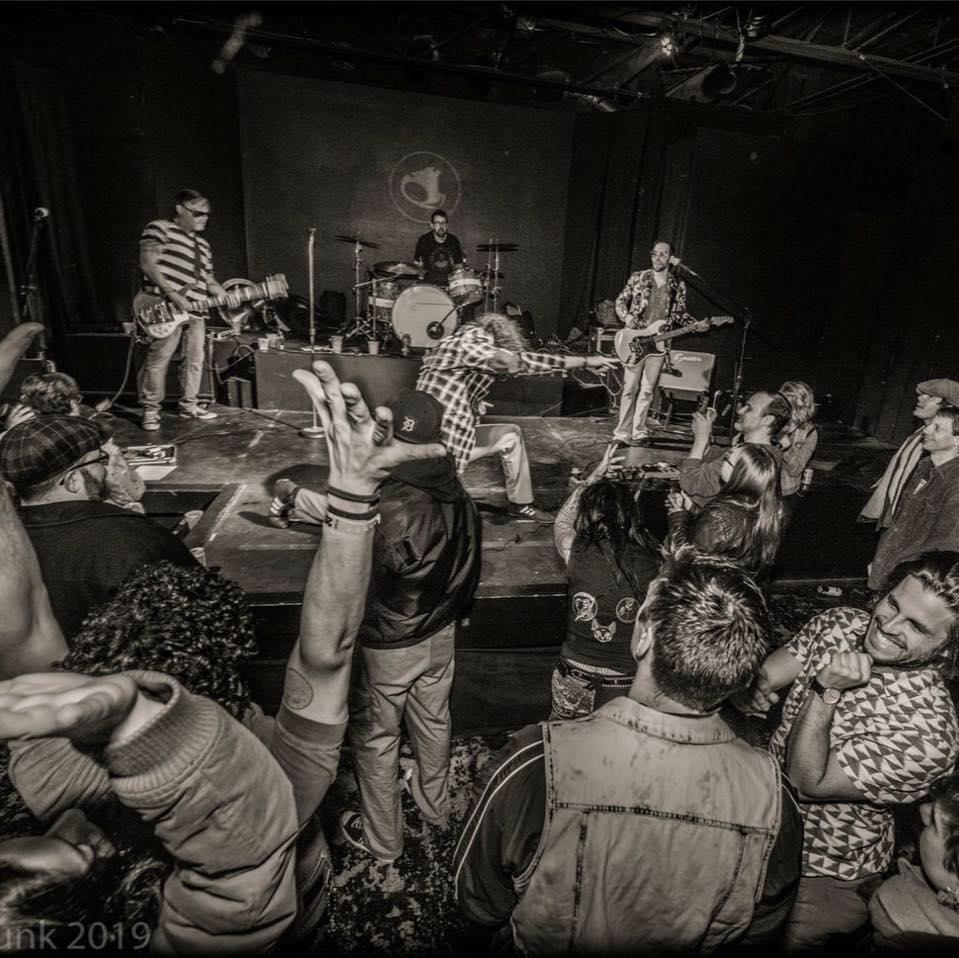
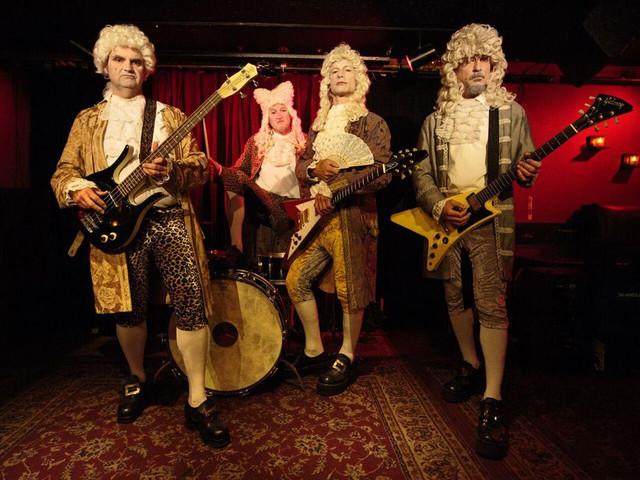
The Upper Crust’s Spotify BioCombining high-camp aristocratic foppery with hard rock, Boston combo the Upper Crust appear on-stage wearing powdered wigs and the attire of 18th century nobility, and have a lyrical sensibility to match. Formed in 1994 from a surf act called the Clamdiggers, the Upper Crust's power pop antics have been described as "AC/DC meets the Buzzcocks at a theater showing of This Is Spinal Tap." After packaging their trademark on the 1995 album Let Them Eat Rock, Emperor Norton Records signed the band and released their 1997 follow-up, The Decline & Fall of the Upper Crust. Inspired as much by Kiss and Bon Scott-era AC/DC as by the European nobility whom they mock, the quartet works under the assumed names of Lord Bendover (guitar, vocals), Count Bassie (bass, vocals), The Duc D'istortion (guitar, vocals), and Jackie Kickassis (drums). Following a 2000 live double album appropriately called Entitled, the Upper Crust released their third studio album, Once More into the Breeches, in 2001. Amid… frequent tours of the U.S. and Europe, the band was the subject of a documentary called Let Them Eat Rock and placed their song "Eureka, I've Found Love" in the Guitar Hero video game. By decade's end, the Upper Crust had released two more LPs, 2006's Cream of the Crust and 2009's Revenge for Imagined Slights. They have made numerous festival and late-night television appearances, and also wrote the theme song for The History Channel's 2014 series American Daredevils. ~ Timothy Monger & Mike DaRonco, Rovi
Viberate is a music analytics platform built for A&Rs, artist managers, labels, booking agents, marketers, and artists.
It helps music professionals track artist growth, analyze audience data, monitor playlist activity, compare artists, follow song performance, and identify opportunities across the music market.
Public artist pages provide a free preview of selected artist data. Paid plans provide access to deeper analytics, historical data, charts, comparisons, playlist tools, exports, alerts, reports, and additional professional features.
Yes. Public Viberate artist pages provide selected artist analytics and music data for free.
Viberate also offers a 7-day free trial of the full platform. A credit card is required to start the trial. The trial includes access to the complete product so users can test deeper artist analytics, historical views, playlist insights, comparisons, charts, exports, alerts, and reporting features before choosing a paid plan.
Viberate provides artist analytics across streaming, playlists, social media, video, radio airplay, songs, and audience markets.
Users can analyze Spotify performance, Spotify and Apple Music playlists, YouTube activity, TikTok and Instagram growth, radio spins, song performance, audience locations, demographics, rankings, and overall artist momentum.
Artist profiles also connect to music charts, similar artists, and comparison tools, helping users benchmark performance and evaluate artists in context.
Viberate updates key artist and track data daily.
For followed artists and tracks, selected data is refreshed multiple times per day. This helps teams monitor playlist changes, streaming movement, audience growth, releases, and campaign performance with more current data.
Update frequency can vary depending on the metric and data source.
Yes. Viberate lets users compare up to five artists side by side across streaming, social media, audience, and engagement metrics.
Users can compare fanbase growth, audience demographics, locations, Spotify performance, social metrics, and other artist data over selected time periods.
Artist comparison can be used for A&R scouting, benchmarking, booking decisions, campaign planning, and evaluating artists with similar audiences or market positions.