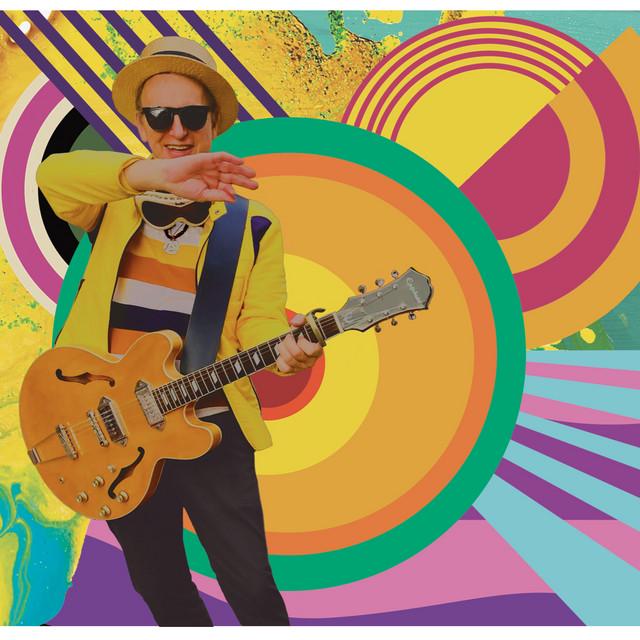
The Tyde

Rock
Indie Rock
 Viberate Rank: 469535
 Viberate Rank: 469535
 Monthly ListenersFollowers
 Subscribers
 Followers
 Followers
 FansTop Spotify Songs
| Track | 7-Day Streams | |
|---|---|---|
1 | 81 | |
2 | 67 | |
3 | 42 | |
4 | 31 | |
5 | 25 |
Top YouTube VideosMonthly ListenersFeatured in Playlists| Playlist | Followers | |
|---|---|---|
1 |  Ben Watt's SpinCycle Ben Watt | 23.17K |
2 | Unofficial Reverb Radio Jeff Ferruzzo | 21.82K |
3 |  REVERBERATION RADIO Giel van der Leest | 6.62K |
4 |  Off Your Face anton newcombe | 5.86K |
5 |  Reverberation Radio Allah-Las | 5.56K |
Audience| City | Monthly Listeners | |
|---|---|---|
1 | | 21 |
2 |  | 19 |
3 |  | 17 |
4 |  | 16 |
5 | | 15 |
See full performance history, audience data, playlist activity, rankings, comparisons, and more in Viberate music analytics. Start with a free trial, then continue with a paid plan.
The Tyde’s Spotify BioWhen their noise pop band, Further, ended in the late '90s, the Rademaker brothers, Brent and Darren, mostly went their separate ways musically. Brent ended up forming Beachwood Sparks, while Darren started up the Tyde. After getting money from Geffen to start a band and then coming up empty, Darren drifted away from music for a bit. When his muse returned, he gathered up some friends and started playing again. With Ben Knight on bass (then guitar), Ann Do on guitar (and later keyboards), and a variety of drummers, the group made a name for itself on the Los Angeles scene with its mix of classic U.K. indie pop influences and its beachy country-rock vibes. By the time of the Tyde's first album, 2001's Once, the lineup included a bunch of guys from Beachwood Sparks (brother Brent on bass and vocals, Christopher Gunst on drums, and Farmer Dave Scher on pedal steel guitar and keys). Released by The Track & Field Organization, the record also featured a guest appearance by the Pink Fairies'… Twink on tambourine.
After releasing the 2012 "Blood Brothers" single and early-2013 Go Ask Yr Dad EP, the group returned with a record for a new label, Rough Trade, later in 2013. Twice featured a more confident sound that took even more influence from Felt than their debut did, which was plenty. The album featured much the same lineup, only with a new drummer, Velvet Crush's Ric Menck. He stuck around for the next album, 2003's Three's Co., as did the regular crew. They were joined by Maroon 5 bassist Mickey Madden on one track and the Thrills' lead vocalist, Conor Deasy, on another. Apart from an appearance on Through the Wilderness: A Tribute to Madonna, performing an acoustic cover of "Hung Up," the band mostly vanished after the album's release.
While they played the occasional show, attempts to record their fourth album stalled over and over. By the time 2016's Darren 4 came out on the Spiritual Pajamas label, Rademaker had tried four different times in four different studios to get the record done. Darren 4 featured some familiar faces, like his faithful brother Brent and guitarists Ben Knight and Colby Buddelmeyer. Also along for the ride were keyboardist Bobby Rodriguez, drummer Richard Gowen, and guitarist Neal Casal, along with former Suede guitarist Bernard Butler, who played and sang on a track. ~ Tim Sendra, Rovi
Viberate is a music analytics platform built for A&Rs, artist managers, labels, booking agents, marketers, and artists.
It helps music professionals track artist growth, analyze audience data, monitor playlist activity, compare artists, follow song performance, and identify opportunities across the music market.
Public artist pages provide a free preview of selected artist data. Paid plans provide access to deeper analytics, historical data, charts, comparisons, playlist tools, exports, alerts, reports, and additional professional features.
Yes. Public Viberate artist pages provide selected artist analytics and music data for free.
Viberate also offers a 7-day free trial of the full platform. A credit card is required to start the trial. The trial includes access to the complete product so users can test deeper artist analytics, historical views, playlist insights, comparisons, charts, exports, alerts, and reporting features before choosing a paid plan.
Viberate provides artist analytics across streaming, playlists, social media, video, radio airplay, songs, and audience markets.
Users can analyze Spotify performance, Spotify and Apple Music playlists, YouTube activity, TikTok and Instagram growth, radio spins, song performance, audience locations, demographics, rankings, and overall artist momentum.
Artist profiles also connect to music charts, similar artists, and comparison tools, helping users benchmark performance and evaluate artists in context.
Viberate updates key artist and track data daily.
For followed artists and tracks, selected data is refreshed multiple times per day. This helps teams monitor playlist changes, streaming movement, audience growth, releases, and campaign performance with more current data.
Update frequency can vary depending on the metric and data source.
Yes. Viberate lets users compare up to five artists side by side across streaming, social media, audience, and engagement metrics.
Users can compare fanbase growth, audience demographics, locations, Spotify performance, social metrics, and other artist data over selected time periods.
Artist comparison can be used for A&R scouting, benchmarking, booking decisions, campaign planning, and evaluating artists with similar audiences or market positions.