The Trouble Notes

Pop
Mainstream Pop
Folk Rock
 Viberate Rank: 88343
 Viberate Rank: 88343
 Monthly ListenersFollowers
 Subscribers
 Followers
 Followers
 FansTop Spotify Songs
| Track | 7-Day Streams | |
|---|---|---|
1 | 6.16K | |
2 | 4.72K | |
3 | 3.58K | |
4 | 3.51K | |
5 | 1.72K |
Top YouTube Videos| Video | 7-Day Views | |
|---|---|---|
1 | 88 | |
2 | 65 | |
3 | 49 | |
4 | 48 | |
5 | 38 |
Monthly ListenersFeatured in Playlists| Playlist | Followers | |
|---|---|---|
1 |  Celtic Music – Irish, Scottish & Fantasy Folk Derek Fiechter | 72.82K |
2 |  Irish-Folk/Rock Vdm Jsts | 68.68K |
3 |  Scottish Folk & Gaelic Singing erinhomie | 63.17K |
4 |  Medieval Music – Renaissance, Taverns & Fantasy Derek Fiechter | 60.88K |
5 |  Arabian Music, Egyptian Music, & Middle Eastern Music Brandon Fiechter | 51.37K |
Audience| City | Monthly Listeners | |
|---|---|---|
1 | | 586 |
2 |  | 497 |
3 | | 445 |
4 |  | 410 |
5 |  | 394 |
See full performance history, audience data, playlist activity, rankings, comparisons, and more in Viberate music analytics. Start with a free trial, then continue with a paid plan.
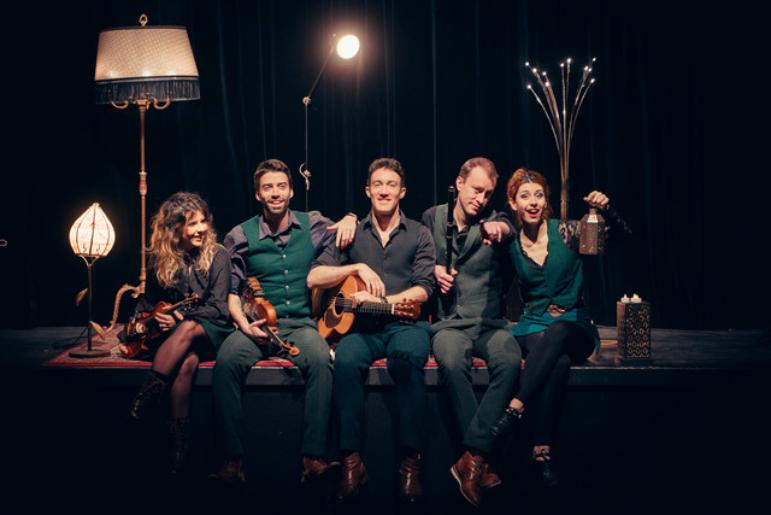
The Trouble Notes’ Spotify BioThe Trouble Notes are a progressive folk rock trio where virtuosity meets velocity. Bennet on violin, Flo on guitar, and George on drums fuse folk roots, classical precision, and global grooves into a sound that feels orchestral in scale yet fiercely human at heart.
Since 2013 they have turned stages into storyscapes, building cinematic sets that spark dancing, connection, and that rare festival alchemy where strangers become a tribe.
With performances in 35 plus countries, opening shows for Jethro Tull, America, Rodrigo y Gabriela, and international TV appearances from the US to Japan and Brazil, their journey keeps widening. Beyond the spotlight, their “More Violins, Less Violence” campaign supports War Child, carrying the music far beyond the final encore.
Viberate is a music analytics platform built for A&Rs, artist managers, labels, booking agents, marketers, and artists.
It helps music professionals track artist growth, analyze audience data, monitor playlist activity, compare artists, follow song performance, and identify opportunities across the music market.
Public artist pages provide a free preview of selected artist data. Paid plans provide access to deeper analytics, historical data, charts, comparisons, playlist tools, exports, alerts, reports, and additional professional features.
Yes. Public Viberate artist pages provide selected artist analytics and music data for free.
Viberate also offers a 7-day free trial of the full platform. A credit card is required to start the trial. The trial includes access to the complete product so users can test deeper artist analytics, historical views, playlist insights, comparisons, charts, exports, alerts, and reporting features before choosing a paid plan.
Viberate provides artist analytics across streaming, playlists, social media, video, radio airplay, songs, and audience markets.
Users can analyze Spotify performance, Spotify and Apple Music playlists, YouTube activity, TikTok and Instagram growth, radio spins, song performance, audience locations, demographics, rankings, and overall artist momentum.
Artist profiles also connect to music charts, similar artists, and comparison tools, helping users benchmark performance and evaluate artists in context.
Viberate updates key artist and track data daily.
For followed artists and tracks, selected data is refreshed multiple times per day. This helps teams monitor playlist changes, streaming movement, audience growth, releases, and campaign performance with more current data.
Update frequency can vary depending on the metric and data source.
Yes. Viberate lets users compare up to five artists side by side across streaming, social media, audience, and engagement metrics.
Users can compare fanbase growth, audience demographics, locations, Spotify performance, social metrics, and other artist data over selected time periods.
Artist comparison can be used for A&R scouting, benchmarking, booking decisions, campaign planning, and evaluating artists with similar audiences or market positions.