The Transitions

R&B
Soul
Contemporary R&B
Alternative Hip Hop
 Viberate Rank: 296364
 Viberate Rank: 296364
 Monthly ListenersFollowers
 Subscribers
 Followers
 Followers
 FansTop Spotify Songs
| Track | 7-Day Streams | |
|---|---|---|
1 | 4.48K | |
2 | 326 | |
3 | 260 | |
4 | 88 | |
5 | 66 |
Top YouTube VideosMonthly ListenersFeatured in Playlists| Playlist | Followers | |
|---|---|---|
1 |  BEDROOM THROWBACKS🍆💦 TBaby | 9.02K |
2 | when doves cry jjjwiltbank | 7.48K |
3 | Jesse Powell — You majornupe9 | 4.58K |
4 | BEDROOM PLAYLiSTT 90’s - 00’s R&B EBROEE | 2.63K |
5 | R. Kelly — Dedicated Anthony Hicks | 2.44K |
Audience| City | Monthly Listeners | |
|---|---|---|
1 | | 586 |
2 | | 423 |
3 | | 368 |
4 | | 332 |
5 | | 224 |
See full performance history, audience data, playlist activity, rankings, comparisons, and more in Viberate music analytics. Start with a free trial, then continue with a paid plan.
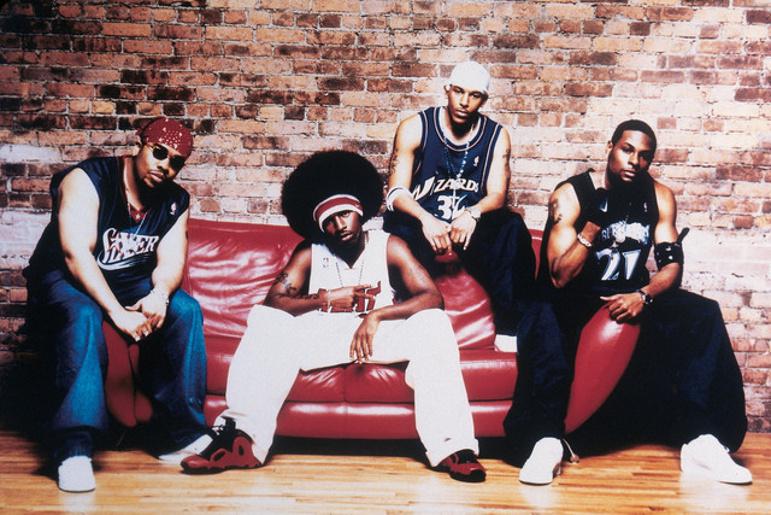
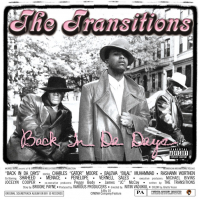
The Transitions’ Spotify BioHand-picked by veteran R&B artist Michael Bivins, the three members of the Transitions represent a classic '70s soul sound for the 21st century. Each member of the trio came to Bivins individually in hopes of a solo contract, but the producer had other plans, bringing the talents of the three together: Charles "Gator" Moore (from Detroit), Rashawn Worthen (from Harlem), and Balewa Muhammad (from Tampa). Bivins initially compared them to a youthful Temptations in early press releases, continually stressing the trio's classic soul approach. But the Transitions aren't merely a retro act; their music may incorporate a '70s soul aesthetic, but the trio also instill a considerable amount of contemporary themes into their songs. Back in da Days, their debut album, is modeled as a soundtrack to a film of the same name written by Bivins about life in the ghetto, good times and bad. ~ Jason Birchmeier, Rovi
Viberate is a music analytics platform built for A&Rs, artist managers, labels, booking agents, marketers, and artists.
It helps music professionals track artist growth, analyze audience data, monitor playlist activity, compare artists, follow song performance, and identify opportunities across the music market.
Public artist pages provide a free preview of selected artist data. Paid plans provide access to deeper analytics, historical data, charts, comparisons, playlist tools, exports, alerts, reports, and additional professional features.
Yes. Public Viberate artist pages provide selected artist analytics and music data for free.
Viberate also offers a 7-day free trial of the full platform. A credit card is required to start the trial. The trial includes access to the complete product so users can test deeper artist analytics, historical views, playlist insights, comparisons, charts, exports, alerts, and reporting features before choosing a paid plan.
Viberate provides artist analytics across streaming, playlists, social media, video, radio airplay, songs, and audience markets.
Users can analyze Spotify performance, Spotify and Apple Music playlists, YouTube activity, TikTok and Instagram growth, radio spins, song performance, audience locations, demographics, rankings, and overall artist momentum.
Artist profiles also connect to music charts, similar artists, and comparison tools, helping users benchmark performance and evaluate artists in context.
Viberate updates key artist and track data daily.
For followed artists and tracks, selected data is refreshed multiple times per day. This helps teams monitor playlist changes, streaming movement, audience growth, releases, and campaign performance with more current data.
Update frequency can vary depending on the metric and data source.
Yes. Viberate lets users compare up to five artists side by side across streaming, social media, audience, and engagement metrics.
Users can compare fanbase growth, audience demographics, locations, Spotify performance, social metrics, and other artist data over selected time periods.
Artist comparison can be used for A&R scouting, benchmarking, booking decisions, campaign planning, and evaluating artists with similar audiences or market positions.