The Tossers

Punk
Punk Rock
Folk Rock
 Viberate Rank: 123996
 Viberate Rank: 123996
 Monthly ListenersFollowers
 Subscribers
 Followers
 Followers
 FansTop Spotify Songs
| Track | 7-Day Streams | |
|---|---|---|
1 | 21.10K | |
2 | 6.21K | |
3 | 4.53K | |
4 | 4.49K | |
5 | 1.99K |
Top YouTube Videos| Video | 7-Day Views | |
|---|---|---|
1 | 422 | |
2 | 312 | |
3 | 227 | |
4 | 144 | |
5 | 133 |
Monthly ListenersFeatured in Playlists| Playlist | Followers | |
|---|---|---|
1 |  Celtic Punk Spotify | 516.03K |
2 |  Irish Drinking Songs yetkind | 116.95K |
3 | Irish Folk Songs Blake Schweigert | 55.31K |
4 | Sea Shanties You Could Theoretically [REDACTED] classiczaiquiri | 41.20K |
5 |  Pirate Music YourFavoriteYank | 37.90K |
Audience| City | Monthly Listeners | |
|---|---|---|
1 | | 1.14K |
2 |  | 778 |
3 |  | 770 |
4 | | 697 |
5 | | 637 |
See full performance history, audience data, playlist activity, rankings, comparisons, and more in Viberate music analytics. Start with a free trial, then continue with a paid plan.
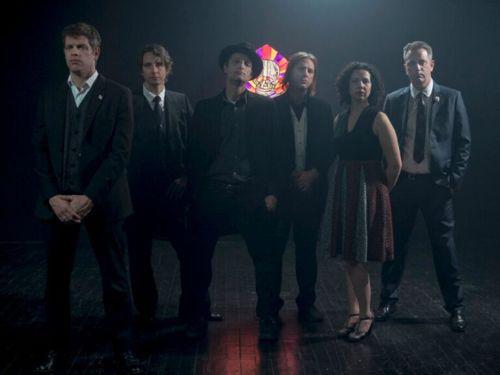
The Tossers’ Spotify BioOne of the first and most enduring bands on the Celtic punk underground, Chicago's the Tossers mix the attitude and swagger of punk rock with a muscular but respectful approximation of Irish traditional folk music. The Tossers were formed in Chicago, Illinois in 1993 by Anthony "T." Duggins, the group's lead singer and mandolin player. Duggins had been playing Irish folk tunes in Windy City pubs since he was 18 and, eager to play something with more punch (much like Duggins' heroes the Pogues), he founded the band with his brother Aaron Duggins (who plays tin whistle and accordion) and guitarist Brian Dwyer, who suggested the name. ("Tosser" was originally Irish slang for British coins that became worthless after the rise of the Irish Free State, but later came to describe a worthless and unprincipled individual.) In 1994, the Tossers made their recorded debut with a demo titled The Pint of No Return, and their first full-length album, We'll Never Be Sober Again, appeared on the… independent Folk You label in 1996. The group next teamed with the local indie imprint Thick Records, which released a pair of studio albums -- Long Dim Road (2000) and Purgatory (2003) -- as well as the 2001 compilation Communication & Conviction, which repackaged The Pint of No Return and We'll Never Be Sober Again on one disc.
The Tossers developed a reputation for their storming live show and busy touring schedule, and they influenced similarly minded bands such as the Dropkick Murphys and Flogging Molly. In 2005, the Tossers began a long and fruitful relationship with Victory Records, which released their album The Valley of the Shadow of Death that year. While the band's lineup often tended to be fluid, the core of the Duggins brothers, guitarist Mike Pawula, and drummer Bones remained consistent from this point onward, and the Tossers were sharing stages with the likes of Shane MacGowan, Spider Stacy, Stiff Little Fingers, the Reverend Horton Heat, and Murphy's Law. Between 2007 and 2013, the Tossers balanced their busy performing schedule with the recording of three studio albums (2007's Agony, 2008's On a Fine Spring Evening, and 2013's The Emerald City), and documented their powerful live show on 2008's Gloatin' and Showboatin': Live on St. Patrick's Day. In 2017, the latest lineup of the Tossers -- the Duggins brothers, Pawula, Bones, fiddler Emily Ruth Constantinou, and bassist Peter Muschong -- emerged with a new album for Victory, Smash the Windows. ~ Mark Deming, Rovi
Viberate is a music analytics platform built for A&Rs, artist managers, labels, booking agents, marketers, and artists.
It helps music professionals track artist growth, analyze audience data, monitor playlist activity, compare artists, follow song performance, and identify opportunities across the music market.
Public artist pages provide a free preview of selected artist data. Paid plans provide access to deeper analytics, historical data, charts, comparisons, playlist tools, exports, alerts, reports, and additional professional features.
Yes. Public Viberate artist pages provide selected artist analytics and music data for free.
Viberate also offers a 7-day free trial of the full platform. A credit card is required to start the trial. The trial includes access to the complete product so users can test deeper artist analytics, historical views, playlist insights, comparisons, charts, exports, alerts, and reporting features before choosing a paid plan.
Viberate provides artist analytics across streaming, playlists, social media, video, radio airplay, songs, and audience markets.
Users can analyze Spotify performance, Spotify and Apple Music playlists, YouTube activity, TikTok and Instagram growth, radio spins, song performance, audience locations, demographics, rankings, and overall artist momentum.
Artist profiles also connect to music charts, similar artists, and comparison tools, helping users benchmark performance and evaluate artists in context.
Viberate updates key artist and track data daily.
For followed artists and tracks, selected data is refreshed multiple times per day. This helps teams monitor playlist changes, streaming movement, audience growth, releases, and campaign performance with more current data.
Update frequency can vary depending on the metric and data source.
Yes. Viberate lets users compare up to five artists side by side across streaming, social media, audience, and engagement metrics.
Users can compare fanbase growth, audience demographics, locations, Spotify performance, social metrics, and other artist data over selected time periods.
Artist comparison can be used for A&R scouting, benchmarking, booking decisions, campaign planning, and evaluating artists with similar audiences or market positions.