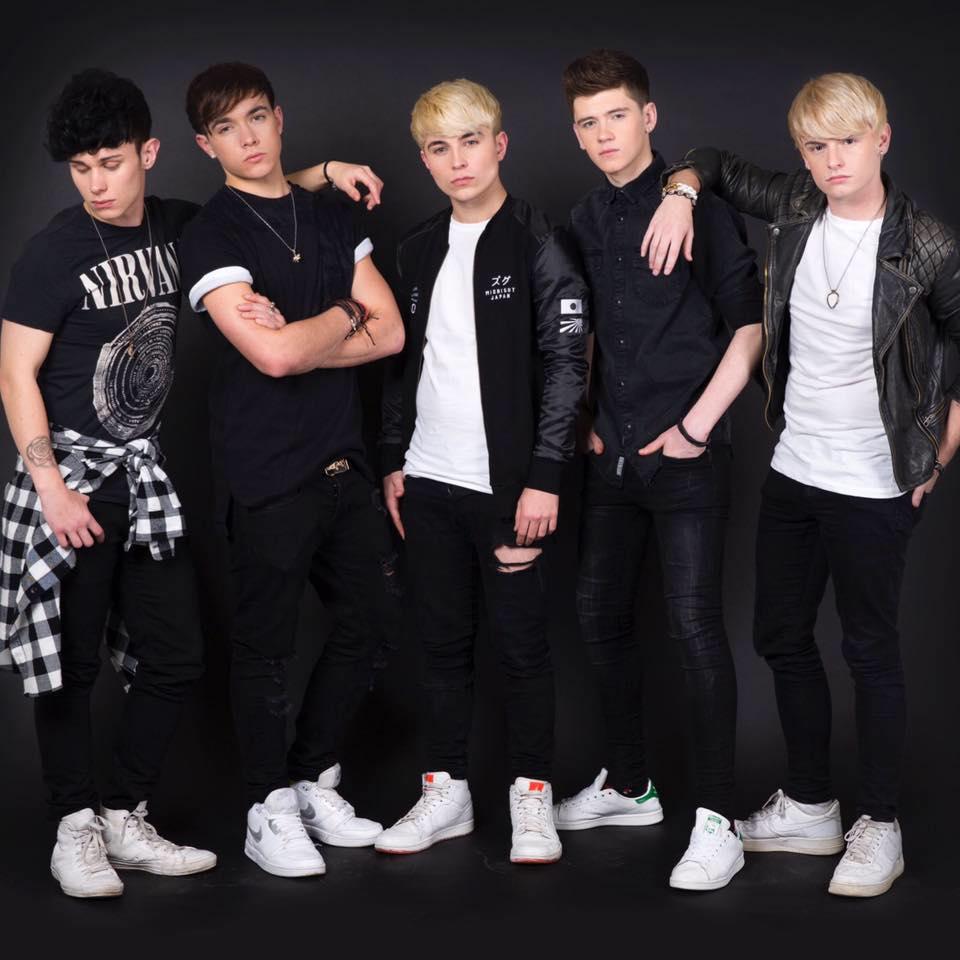
The Tide

Rock
Pop Rock
Mainstream Pop
 Viberate Rank: 79691
 Viberate Rank: 79691
 Monthly ListenersFollowers
 Subscribers
 Followers
 Followers
 FansTop Spotify Songs
| Track | 7-Day Streams | |
|---|---|---|
1 | 1.49K | |
2 | 1.04K | |
3 | 889 | |
4 | 619 | |
5 | 441 |
Top YouTube VideosMonthly ListenersFeatured in Playlists| Playlist | Followers | |
|---|---|---|
1 | Accoustic Hits 2017 Gail Luxon | 46.61K |
2 | Charts 2016 Beatrice von Schmidt | 15.26K |
3 |  ● Future House Max Loermans | 9.48K |
4 | treino e corrida Mariana Mendez Veiga Nogueira | 8.61K |
5 | guadalupesiufi-3 | 6.18K |
Audience| City | Monthly Listeners | |
|---|---|---|
1 |  | 188 |
2 |  | 179 |
3 |  | 169 |
4 |  | 112 |
5 | | 110 |
See full performance history, audience data, playlist activity, rankings, comparisons, and more in Viberate music analytics. Start with a free trial, then continue with a paid plan.
The Tide’s Spotify BioL.A. pop/rock quartet the Tide were put together specifically to support the Vamps on their 2015 world tour, but ended up a popular draw in their own right. The group's members were recruited online. Guitarist and lead vocalist Austin Corini, an L.A. native, had been on the American X Factor in 2012, initially as a solo artist and then in the group Playback. Guitarist Drew Dirksen and drummer Nate Parker, from Ohio, had played together in a band called All the Above. Bassist Levi Jones, from Pennsylvania, had made a name for himself posting covers on YouTube, solo and with the band Almost Adults. Much like the Vamps, they peddled a roughed-up version of boy band pop, playing their own instruments and co-writing many of their songs. They were introduced to the world via a series of YouTube videos in which they covered tracks by the likes of One Direction, Shawn Mendes, and DNCE. In 2015, they toured the world with the Vamps and were readily embraced by a large chunk of that band's young… fan base, who followed them avidly on social media. Signed to the Vamps' imprint, Steady Records, and then to Capitol, they released a slew of singles, all of which ended up on their 2017 debut album Young Love. ~ John D. Buchanan, Rovi
Viberate is a music analytics platform built for A&Rs, artist managers, labels, booking agents, marketers, and artists.
It helps music professionals track artist growth, analyze audience data, monitor playlist activity, compare artists, follow song performance, and identify opportunities across the music market.
Public artist pages provide a free preview of selected artist data. Paid plans provide access to deeper analytics, historical data, charts, comparisons, playlist tools, exports, alerts, reports, and additional professional features.
Yes. Public Viberate artist pages provide selected artist analytics and music data for free.
Viberate also offers a 7-day free trial of the full platform. A credit card is required to start the trial. The trial includes access to the complete product so users can test deeper artist analytics, historical views, playlist insights, comparisons, charts, exports, alerts, and reporting features before choosing a paid plan.
Viberate provides artist analytics across streaming, playlists, social media, video, radio airplay, songs, and audience markets.
Users can analyze Spotify performance, Spotify and Apple Music playlists, YouTube activity, TikTok and Instagram growth, radio spins, song performance, audience locations, demographics, rankings, and overall artist momentum.
Artist profiles also connect to music charts, similar artists, and comparison tools, helping users benchmark performance and evaluate artists in context.
Viberate updates key artist and track data daily.
For followed artists and tracks, selected data is refreshed multiple times per day. This helps teams monitor playlist changes, streaming movement, audience growth, releases, and campaign performance with more current data.
Update frequency can vary depending on the metric and data source.
Yes. Viberate lets users compare up to five artists side by side across streaming, social media, audience, and engagement metrics.
Users can compare fanbase growth, audience demographics, locations, Spotify performance, social metrics, and other artist data over selected time periods.
Artist comparison can be used for A&R scouting, benchmarking, booking decisions, campaign planning, and evaluating artists with similar audiences or market positions.