The Third Sound

Rock
Psychedelic Rock
Space Rock
 Viberate Rank: 247860
 Viberate Rank: 247860
 Monthly ListenersFollowers
 Subscribers
 Followers
 Followers
 FansTop Spotify Songs
| Track | 7-Day Streams | |
|---|---|---|
1 | 2.86K | |
2 | 240 | |
3 | 191 | |
4 | 128 | |
5 | 88 |
Top YouTube VideosMonthly ListenersFeatured in Playlists| Playlist | Followers | |
|---|---|---|
1 |  80's Vibes - Throwbacks HomePod | 17.03K |
2 | space rock & psychedelia Edson Alejandro Adame | 8.05K |
3 |  obscure 90s-2010s shoegaze pdawg | 6.54K |
4 |  Psychedelic Fresh Finds Beau Lucas | 5.92K |
5 |  Off Your Face anton newcombe | 5.86K |
Audience| City | Monthly Listeners | |
|---|---|---|
1 |  | 145 |
2 | | 107 |
3 |  | 104 |
4 |  | 101 |
5 | | 91 |
See full performance history, audience data, playlist activity, rankings, comparisons, and more in Viberate music analytics. Start with a free trial, then continue with a paid plan.
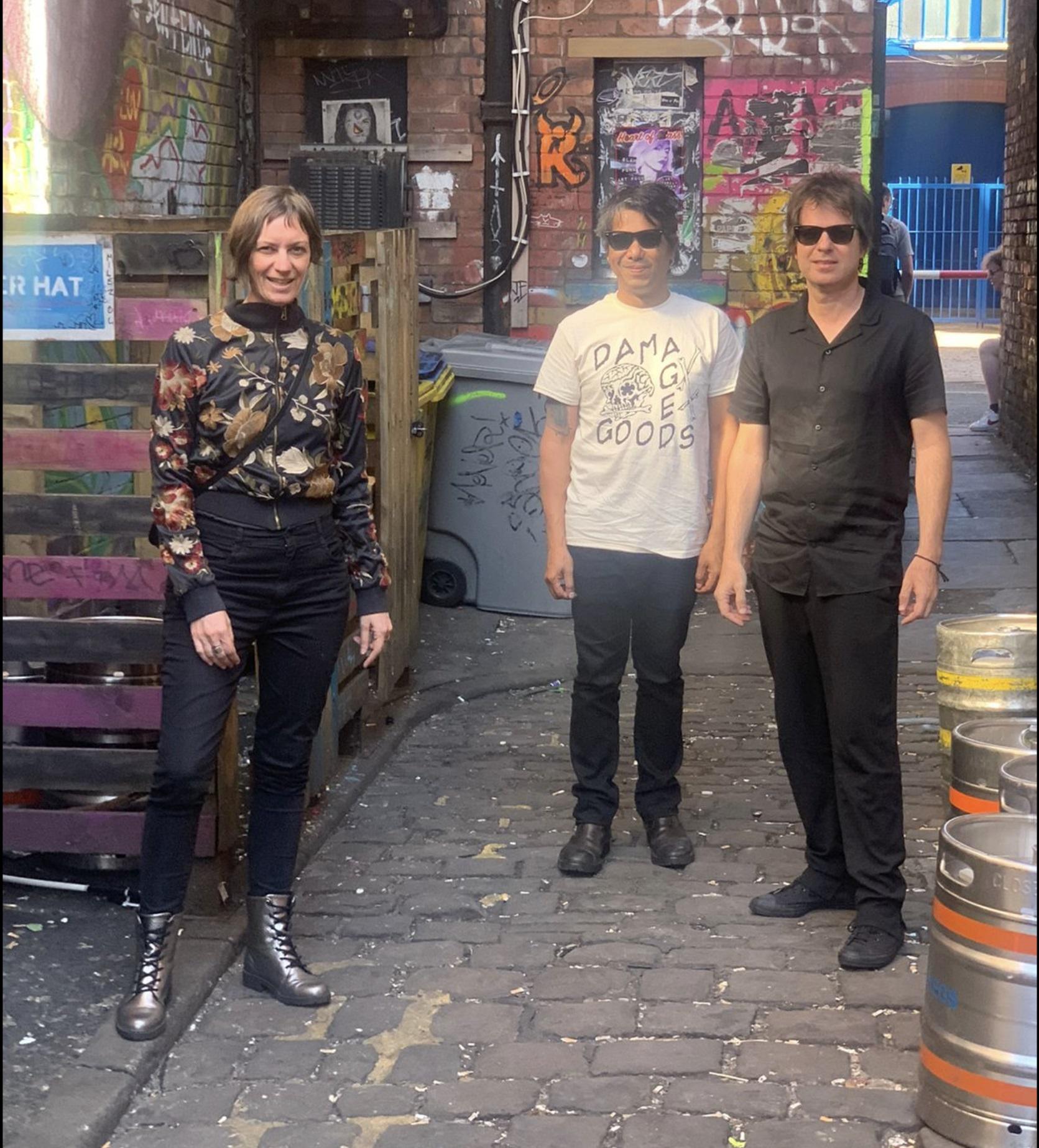
The Third Sound’s Spotify Bio‘Most Perfect Solitude’ marks a new chapter, not just in sound but personnel, for
the Berlin-based band led by Icelandic musician Hakon Adalsteinsson –
who, outside of The Third Sound, has played in the likes of The Brian Jonestown Massacre, Singapore Sling, Anton Newcombe & Tess Parks band and, most
recently, Golden Hours. Introducing a new Third Sound line up, the new record
finds Adalsteinsson (Guitar/Vocals) and long-time member and collaborator Robin
Hughes (Organ/Guitar) joined by fresh recruits Frankie Broek (drums) and Golden
Hours band-mate Wim Janssens (bass).
With the new group pieced together, Hakon’s early demos of the track were fleshed
out over a week of intense rehearsals during a rare gap in his hectic touring
schedule with both BJM and Golden Hours at that time. Wasting no time, the band
jumped into the studio with Torben Utecht as soon as the songs were ready and laid
down the recordings in four days, before being mastered by Ryan Van Kriedt: “We
made this album relatively… quickly as we only had a tight time frame to make it
in. The odds were against us but just like gambling big and ending with a winning
hand, it felt incredible, as well as a huge relief to realise when we pulled it
off. It’s an album that we are extremely proud of, moving the band forward
artistically.”
Viberate is a music analytics platform built for A&Rs, artist managers, labels, booking agents, marketers, and artists.
It helps music professionals track artist growth, analyze audience data, monitor playlist activity, compare artists, follow song performance, and identify opportunities across the music market.
Public artist pages provide a free preview of selected artist data. Paid plans provide access to deeper analytics, historical data, charts, comparisons, playlist tools, exports, alerts, reports, and additional professional features.
Yes. Public Viberate artist pages provide selected artist analytics and music data for free.
Viberate also offers a 7-day free trial of the full platform. A credit card is required to start the trial. The trial includes access to the complete product so users can test deeper artist analytics, historical views, playlist insights, comparisons, charts, exports, alerts, and reporting features before choosing a paid plan.
Viberate provides artist analytics across streaming, playlists, social media, video, radio airplay, songs, and audience markets.
Users can analyze Spotify performance, Spotify and Apple Music playlists, YouTube activity, TikTok and Instagram growth, radio spins, song performance, audience locations, demographics, rankings, and overall artist momentum.
Artist profiles also connect to music charts, similar artists, and comparison tools, helping users benchmark performance and evaluate artists in context.
Viberate updates key artist and track data daily.
For followed artists and tracks, selected data is refreshed multiple times per day. This helps teams monitor playlist changes, streaming movement, audience growth, releases, and campaign performance with more current data.
Update frequency can vary depending on the metric and data source.
Yes. Viberate lets users compare up to five artists side by side across streaming, social media, audience, and engagement metrics.
Users can compare fanbase growth, audience demographics, locations, Spotify performance, social metrics, and other artist data over selected time periods.
Artist comparison can be used for A&R scouting, benchmarking, booking decisions, campaign planning, and evaluating artists with similar audiences or market positions.