The Taylors

Country
Contemporary Country
Gospel
 Viberate Rank: 156489
 Viberate Rank: 156489
 Monthly ListenersFollowers
 Subscribers
 Followers
 Followers
 FansTop Spotify Songs
| Track | 7-Day Streams | |
|---|---|---|
1 | 1.65K | |
2 | 968 | |
3 | 651 | |
4 | 619 | |
5 | 510 |
Top YouTube VideosMonthly ListenersFeatured in Playlists| Playlist | Followers | |
|---|---|---|
1 | Southern Gospel Quartets Daniel Ertley | 8.08K |
2 | Country Christian Peggy Crowley Hill | 2.16K |
3 |  The Best of Southern Gospel John Miller - Enterprise, AL | 1.54K |
4 | Southern Gospel Favorites Chase Sink | 1.18K |
Audience| City | Monthly Listeners | |
|---|---|---|
1 | | 239 |
2 | | 167 |
3 | | 160 |
4 | | 138 |
5 | | 130 |
See full performance history, audience data, playlist activity, rankings, comparisons, and more in Viberate music analytics. Start with a free trial, then continue with a paid plan.
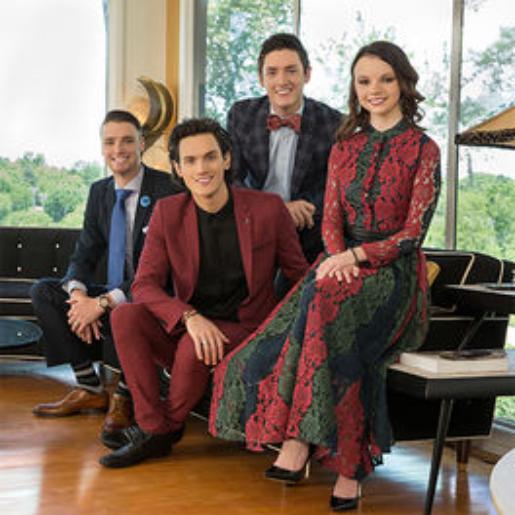
The Taylors’ Spotify BioA sibling gospel group from North Carolina, the Taylors are two brothers and two sisters who have made sharing the good news of the Lord a family affair. The Taylors are tenor Jonathan Taylor, soprano Leslie Taylor Perkins, alto Suzanne Taylor Hise, and bass Christopher Taylor. Their father is a Southern Baptist minister who has spent 27 years as a pastor at the Fellowship Baptist Church in Lillington, North Carolina. Their mother is a music minister at the church, and the siblings learned to sing harmonies as their mother played piano. After years of singing in church and at home, the Taylors decided to take their message to the people in 2006. The following year, the Taylors entered the North Carolina Singing Convention competition, and won top honors as First Place Family Group and First Place Mixed Quartet. In 2008, the Taylors entered the Talent Showcase at Louisville, Kentucky's National Quartet Convention, where they once again came in first place. Having proven their talent,… the Taylors became a popular attraction on the Southern gospel circuit, playing as many as 200 dates a year as they shared their testimony of God's salvation. They released their first album, Rivers Crossed, in 2008, and kept up a busy recording schedule, putting out albums in 2010 (Sing the Story), 2011 (It's Christmas), and 2012 (Almost Home). In 2014, the Taylors struck a deal with the noted gospel label Stowtown Records, which released their fifth album, Measure of Grace. In 2016, the Taylors announced that the group would be transitioning from a quartet to a trio, as Leslie Taylor Perkins and her husband, Aaron Perkins, answered a call to serve as pastors of music and students at a church in Myrtle Beach, South Carolina. In April 2016, just a few days after Leslie performed her final show with the Taylors, they issued their first album as a trio, Hope & Healing. ~ Mark Deming, Rovi
Viberate is a music analytics platform built for A&Rs, artist managers, labels, booking agents, marketers, and artists.
It helps music professionals track artist growth, analyze audience data, monitor playlist activity, compare artists, follow song performance, and identify opportunities across the music market.
Public artist pages provide a free preview of selected artist data. Paid plans provide access to deeper analytics, historical data, charts, comparisons, playlist tools, exports, alerts, reports, and additional professional features.
Yes. Public Viberate artist pages provide selected artist analytics and music data for free.
Viberate also offers a 7-day free trial of the full platform. A credit card is required to start the trial. The trial includes access to the complete product so users can test deeper artist analytics, historical views, playlist insights, comparisons, charts, exports, alerts, and reporting features before choosing a paid plan.
Viberate provides artist analytics across streaming, playlists, social media, video, radio airplay, songs, and audience markets.
Users can analyze Spotify performance, Spotify and Apple Music playlists, YouTube activity, TikTok and Instagram growth, radio spins, song performance, audience locations, demographics, rankings, and overall artist momentum.
Artist profiles also connect to music charts, similar artists, and comparison tools, helping users benchmark performance and evaluate artists in context.
Viberate updates key artist and track data daily.
For followed artists and tracks, selected data is refreshed multiple times per day. This helps teams monitor playlist changes, streaming movement, audience growth, releases, and campaign performance with more current data.
Update frequency can vary depending on the metric and data source.
Yes. Viberate lets users compare up to five artists side by side across streaming, social media, audience, and engagement metrics.
Users can compare fanbase growth, audience demographics, locations, Spotify performance, social metrics, and other artist data over selected time periods.
Artist comparison can be used for A&R scouting, benchmarking, booking decisions, campaign planning, and evaluating artists with similar audiences or market positions.