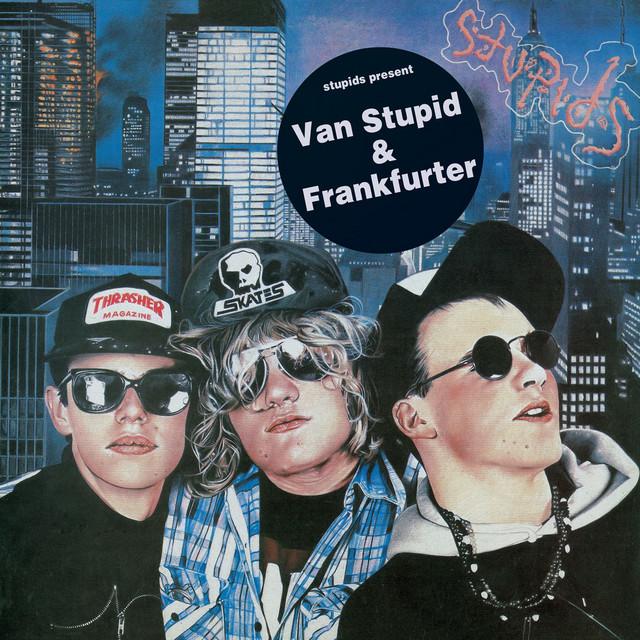
The Stupids

Punk
Punk Rock
Skate Punk
 Viberate Rank: 460454
 Viberate Rank: 460454
 Monthly ListenersFollowers
 Subscribers
 Followers
 Followers
 FansTop Spotify Songs
| Track | 7-Day Streams | |
|---|---|---|
1 | 67 | |
2 | 65 | |
3 | 42 | |
4 | 26 | |
5 | 23 |
Top YouTube VideosMonthly ListenersFeatured in Playlists| Playlist | Followers | |
|---|---|---|
1 |  Thrasher Skate Rock vols. 1-5 mike gracen | 3.95K |
2 |  Skate punk 80s kafka87 | 2.18K |
3 |  gothic punk SAMUEL | 1.95K |
Audience| City | Monthly Listeners | |
|---|---|---|
1 | | 16 |
2 |  | 14 |
3 | | 14 |
4 |  | 9 |
5 |  | 8 |
See full performance history, audience data, playlist activity, rankings, comparisons, and more in Viberate music analytics. Start with a free trial, then continue with a paid plan.
The Stupids’ Spotify BioFormed in Ipswich, Suffolk, England, the Stupids merged the post-punk sound of the early to mid-80s UK scene with a hardcore adrenaline rush imported from America. The band were active from 1985 to 1989, though by the latter stages of their career they had relocated to London. Membership was fluid and typically hidden by pseudonyms, but the main contributors were Tommy Stupid (vocals, guitar, drums), Pauly Pizza (bass), Marty Tuff (guitar) and Ed Wenn (bass). The early stage of their career was documented by two albums and a 7-inch EP for Children Of The Revolution Records, by which time their sub-two-minute thrashes and spontaneous humour were familiar to many through the BBC disc jockey John Peel. He aired every track on their first two albums, recording three sessions for the programme over the years. He also wrote extensively about the Stupids’ idiosyncratic appeal in his Observer newspaper column. Greater distribution via Vinyl Solution Records allowed their releases to find… international approval, including a split 10-inch EP with Australian band the Hard-Ons. They also appeared on the covers of both the New Musical Express and Sounds, as the most visible and vital band in a new hardcore scene developing principally in the east of England. Later high-profile guitar groups such as the Senseless Things and Ned’s Atomic Dustbin grew up seeing the Stupids. Although they eventually collapsed in 1989, by the time they did so they had produced a significant volume of work, much of it hilarious, toured both the USA and Australia, broken the lower reaches of the national charts and all without ever having the backing of a major record company. Former member Tom Withers later resurfaced in the late 90s as drum ‘n’ bass act Klute.
Viberate is a music analytics platform built for A&Rs, artist managers, labels, booking agents, marketers, and artists.
It helps music professionals track artist growth, analyze audience data, monitor playlist activity, compare artists, follow song performance, and identify opportunities across the music market.
Public artist pages provide a free preview of selected artist data. Paid plans provide access to deeper analytics, historical data, charts, comparisons, playlist tools, exports, alerts, reports, and additional professional features.
Yes. Public Viberate artist pages provide selected artist analytics and music data for free.
Viberate also offers a 7-day free trial of the full platform. A credit card is required to start the trial. The trial includes access to the complete product so users can test deeper artist analytics, historical views, playlist insights, comparisons, charts, exports, alerts, and reporting features before choosing a paid plan.
Viberate provides artist analytics across streaming, playlists, social media, video, radio airplay, songs, and audience markets.
Users can analyze Spotify performance, Spotify and Apple Music playlists, YouTube activity, TikTok and Instagram growth, radio spins, song performance, audience locations, demographics, rankings, and overall artist momentum.
Artist profiles also connect to music charts, similar artists, and comparison tools, helping users benchmark performance and evaluate artists in context.
Viberate updates key artist and track data daily.
For followed artists and tracks, selected data is refreshed multiple times per day. This helps teams monitor playlist changes, streaming movement, audience growth, releases, and campaign performance with more current data.
Update frequency can vary depending on the metric and data source.
Yes. Viberate lets users compare up to five artists side by side across streaming, social media, audience, and engagement metrics.
Users can compare fanbase growth, audience demographics, locations, Spotify performance, social metrics, and other artist data over selected time periods.
Artist comparison can be used for A&R scouting, benchmarking, booking decisions, campaign planning, and evaluating artists with similar audiences or market positions.