The Stereotypes

Rock
Indie Rock
 Viberate Rank: 259492
 Viberate Rank: 259492
 Monthly ListenersFollowers
 Subscribers
 Followers
 Followers
 FansTop Spotify Songs
| Track | 7-Day Streams | |
|---|---|---|
1 | 32.34K | |
2 | 1.27K | |
3 | 410 | |
4 | 61 | |
5 | 31 |
Top YouTube VideosMonthly ListenersFeatured in Playlists| Playlist | Followers | |
|---|---|---|
1 |  Suits Soundtrack [All Seasons] Solitude Collective | 151.56K |
2 |  Soundtrack: Suits Gunnar Scott | 61.06K |
3 | mumble...mumble... | 40.11K |
4 | Hank Moody's playlist Pierre Leroy | 25.54K |
5 |  orange is the new black (OITNB) soundtrack 1-7 Bárbara Bazilio | 23.96K |
Audience| City | Monthly Listeners | |
|---|---|---|
1 |  | 119 |
2 |  | 92 |
3 |  | 69 |
4 |  | 56 |
5 |  | 55 |
See full performance history, audience data, playlist activity, rankings, comparisons, and more in Viberate music analytics. Start with a free trial, then continue with a paid plan.
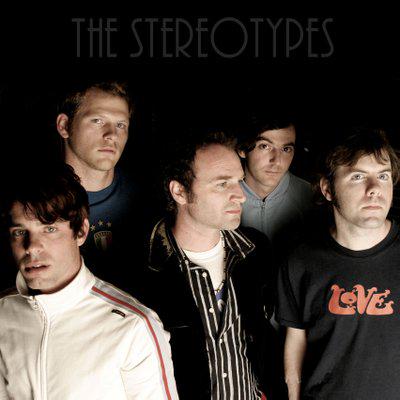
The Stereotypes’ Spotify BioThe Stereotypes are an Indie/DIY rock band, co-founded by Mike Kamoo and John Finkbiner in San Diego, California, in 2001. Critics have described the musical style as indie rock, garage pop, indie pop, and garage punk.
The Stereotypes released their debut “1” on Earthling Records in 2002. Critiques of the record drew comparisons to contemporaries like The Hives, The Strokes, The White Stripes, and Supergrass.
Their next full-length “2” was released in 2003. Some commercial success was garnered with their song ‘Outside’ and it’s lyric ‘Let’s Go Outside’ which Coleman camping gear licensed as a slogan for it’s television ad campaign in 2007.
The Stereotypes released three more records as a full band. “3”(2005), “Leftovers EP”(2005), and “4”(2007). These records became more layered and the songs stylistically more diverse.
By 2008 the group had gone through multiple lineup changes, at which point the live band temporarily came to an end. Finkbiner and Kamoo retreated into the recording… studio, steadily cranking out albums including: “5”(2008), “Grey EP” (2008), “Orange EP”(2008), “6”(2009), the illusive “7” (2009), “8”(2009), “9” (2009), “Soundtrack”(2010), “Modes”(2011), “Pole Art” (2012), “Spinning” (2013).
By 2013 all original members began to record again. The result of these sessions would be “Dangerous Girl” (2015), “Round After Round” (2016) and the soon to be released “Secrets To Learn” (2019).
Viberate is a music analytics platform built for A&Rs, artist managers, labels, booking agents, marketers, and artists.
It helps music professionals track artist growth, analyze audience data, monitor playlist activity, compare artists, follow song performance, and identify opportunities across the music market.
Public artist pages provide a free preview of selected artist data. Paid plans provide access to deeper analytics, historical data, charts, comparisons, playlist tools, exports, alerts, reports, and additional professional features.
Yes. Public Viberate artist pages provide selected artist analytics and music data for free.
Viberate also offers a 7-day free trial of the full platform. A credit card is required to start the trial. The trial includes access to the complete product so users can test deeper artist analytics, historical views, playlist insights, comparisons, charts, exports, alerts, and reporting features before choosing a paid plan.
Viberate provides artist analytics across streaming, playlists, social media, video, radio airplay, songs, and audience markets.
Users can analyze Spotify performance, Spotify and Apple Music playlists, YouTube activity, TikTok and Instagram growth, radio spins, song performance, audience locations, demographics, rankings, and overall artist momentum.
Artist profiles also connect to music charts, similar artists, and comparison tools, helping users benchmark performance and evaluate artists in context.
Viberate updates key artist and track data daily.
For followed artists and tracks, selected data is refreshed multiple times per day. This helps teams monitor playlist changes, streaming movement, audience growth, releases, and campaign performance with more current data.
Update frequency can vary depending on the metric and data source.
Yes. Viberate lets users compare up to five artists side by side across streaming, social media, audience, and engagement metrics.
Users can compare fanbase growth, audience demographics, locations, Spotify performance, social metrics, and other artist data over selected time periods.
Artist comparison can be used for A&R scouting, benchmarking, booking decisions, campaign planning, and evaluating artists with similar audiences or market positions.