The Spook School

Pop
Indie Pop
Indie Rock
 Viberate Rank: 177537
 Viberate Rank: 177537
 Monthly ListenersFollowers
 Subscribers
 Followers
 Followers
 FansTop Spotify Songs
| Track | 7-Day Streams | |
|---|---|---|
1 | 4.48K | |
2 | 540 | |
3 | 405 | |
4 | 275 | |
5 | 270 |
Top YouTube VideosMonthly ListenersFeatured in Playlists| Playlist | Followers | |
|---|---|---|
1 |  melomania Spotify | 402.54K |
2 |  Alternate - XuneMag xunemag | 12.75K |
3 |  indie love songs <3 yasminerog | 9.64K |
4 |  Surf rock/psychadelic/jingly jangly Sam Gbr Vy | 8.46K |
5 |  THE ONLY BOY ID EVER SHAG IS ANDREW IN DRAG MatchboxFullOfRocks | 8.36K |
Audience| City | Monthly Listeners | |
|---|---|---|
1 | | 334 |
2 |  | 249 |
3 | | 200 |
4 | | 183 |
5 | | 176 |
See full performance history, audience data, playlist activity, rankings, comparisons, and more in Viberate music analytics. Start with a free trial, then continue with a paid plan.
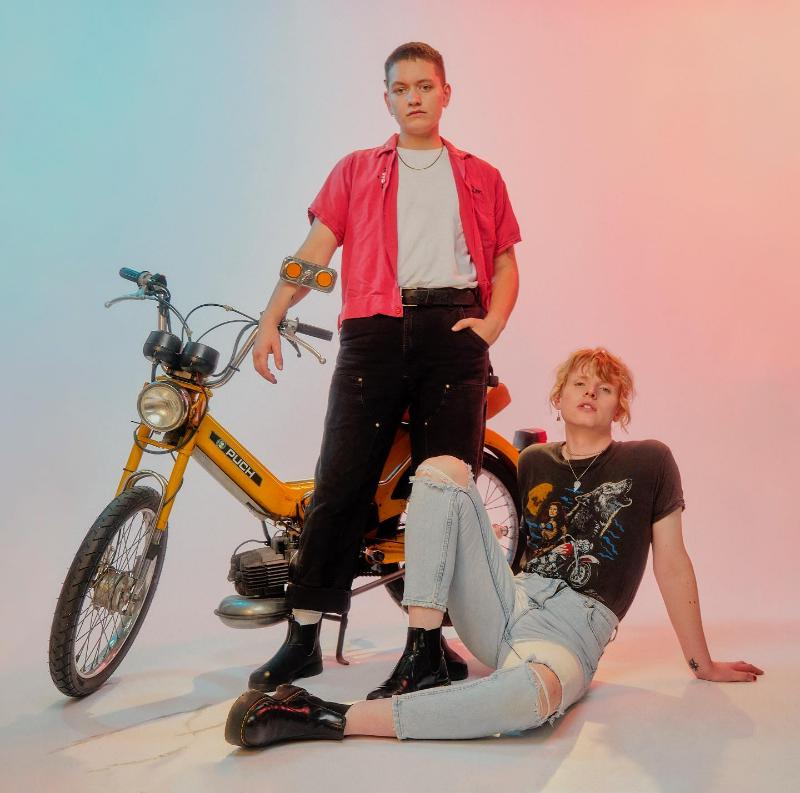
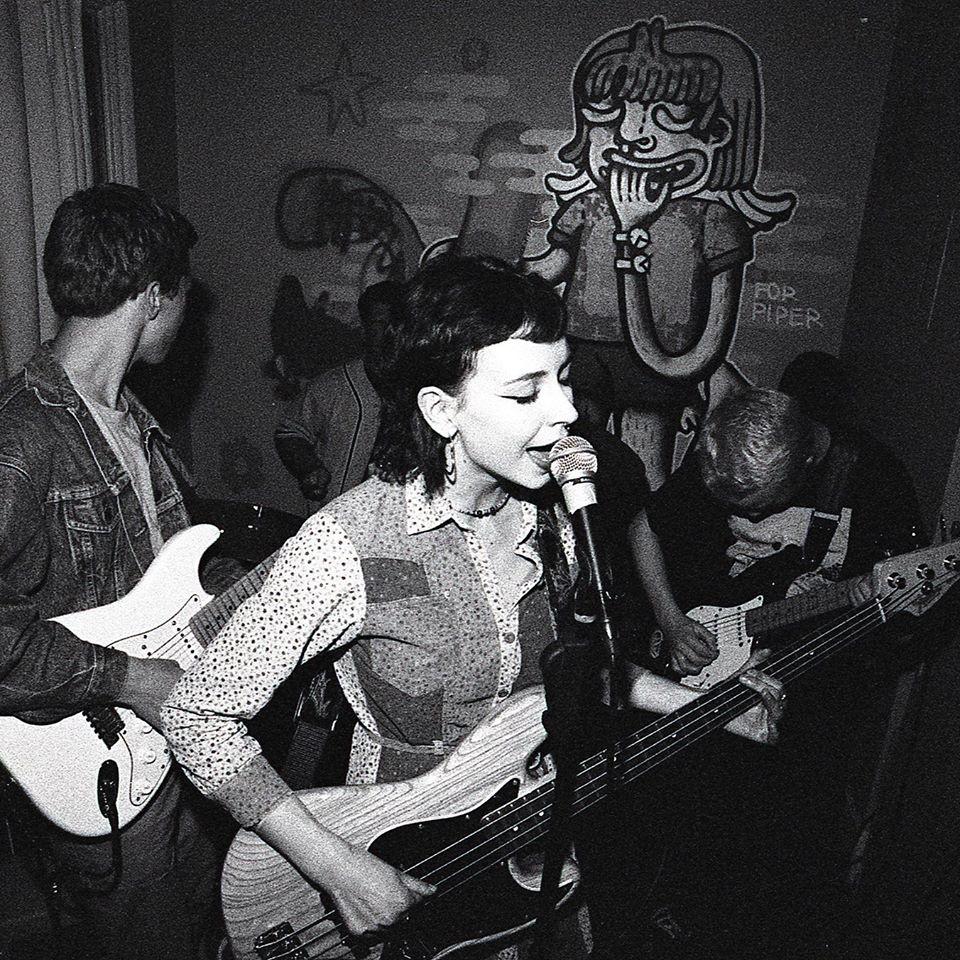
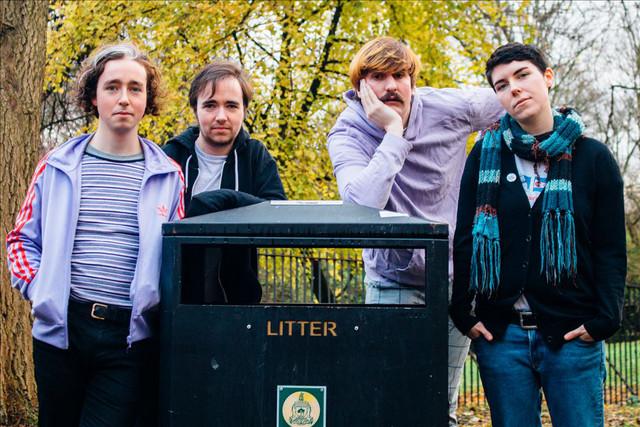
The Spook School’s Spotify BioEdinburgh, Scotland quartet the Spook School play a brand of indie pop that combines the hookiness of C-86 bands like Shop Assistants with the punky energy of the Buzzcocks, then adds lyrics that deal passionately with sexuality and gender. While attending the University of Edinburgh, bandmembers Nye Todd (guitar/vocals), Adam Todd (guitar/vocals), Anna Cory (bass/vocals), and Niall McCamley (drums) made their first recordings (in Adam Todd's bedroom) and released the happily lo-fi results on cassette in 2012 with the title I Don't Know, You Don't Know, We All Don't Know the Spook School. It was followed by a single for Cloudberry Records later that year, which led to them catching the ear of the Fortuna POP! label. The indie pop mainstay signed the Spook School and released their first album, Dress Up, in 2013. The album's energy and raft of catchy songs earned them a burgeoning following and a slot at the 2014 N.Y.C. Popfest. That same year, their shared love of sketch comedy paid… off with the band being invited to do the music for the second season of the BBC Three show Badults. The band's second album further explored gender identity. As Nye began testosterone therapy, his voice started changing subtly as the recording process continued. Try to Be Hopeful was issued in October of 2015, again by the Fortuna POP! label. The group's next appearance on record was Continental Drift, a split LP on Fortuna POP! and Slumberland that also featured songs by the Mercury Girls, Wildhoney, and Tigercats. After the 2017 holiday single "Someone to Spend Christmas With" on their new U.K. label, Alcopop! Records, the Spook School came back in early 2018 with their third album, Could It Be Different? The record addressed abusive relationships, gender issues, Brexit, and the struggle of staying alive in the modern world. ~ Tim Sendra, Rovi
Viberate is a music analytics platform built for A&Rs, artist managers, labels, booking agents, marketers, and artists.
It helps music professionals track artist growth, analyze audience data, monitor playlist activity, compare artists, follow song performance, and identify opportunities across the music market.
Public artist pages provide a free preview of selected artist data. Paid plans provide access to deeper analytics, historical data, charts, comparisons, playlist tools, exports, alerts, reports, and additional professional features.
Yes. Public Viberate artist pages provide selected artist analytics and music data for free.
Viberate also offers a 7-day free trial of the full platform. A credit card is required to start the trial. The trial includes access to the complete product so users can test deeper artist analytics, historical views, playlist insights, comparisons, charts, exports, alerts, and reporting features before choosing a paid plan.
Viberate provides artist analytics across streaming, playlists, social media, video, radio airplay, songs, and audience markets.
Users can analyze Spotify performance, Spotify and Apple Music playlists, YouTube activity, TikTok and Instagram growth, radio spins, song performance, audience locations, demographics, rankings, and overall artist momentum.
Artist profiles also connect to music charts, similar artists, and comparison tools, helping users benchmark performance and evaluate artists in context.
Viberate updates key artist and track data daily.
For followed artists and tracks, selected data is refreshed multiple times per day. This helps teams monitor playlist changes, streaming movement, audience growth, releases, and campaign performance with more current data.
Update frequency can vary depending on the metric and data source.
Yes. Viberate lets users compare up to five artists side by side across streaming, social media, audience, and engagement metrics.
Users can compare fanbase growth, audience demographics, locations, Spotify performance, social metrics, and other artist data over selected time periods.
Artist comparison can be used for A&R scouting, benchmarking, booking decisions, campaign planning, and evaluating artists with similar audiences or market positions.