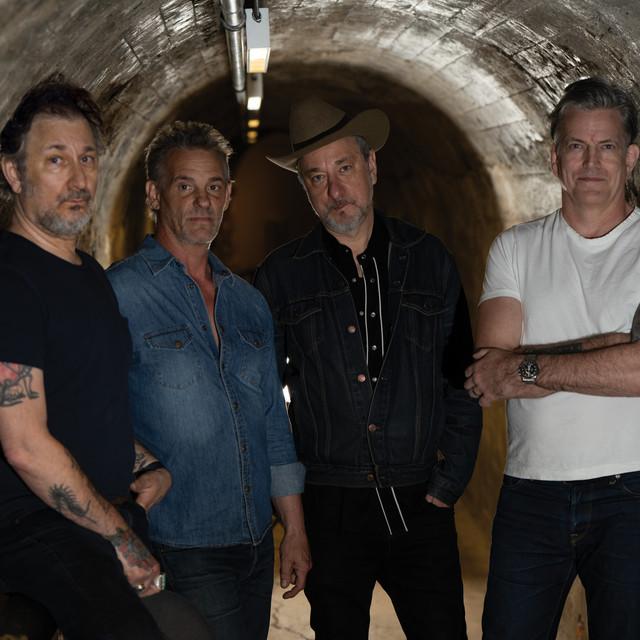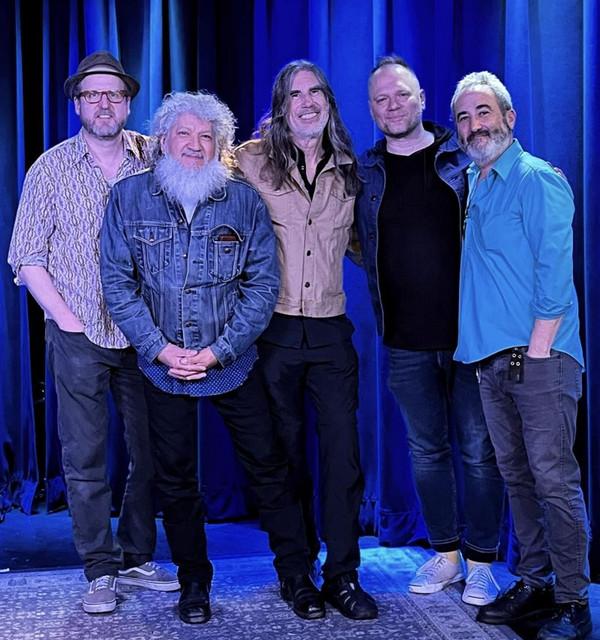
The Silos

Rock
Alternative Rock
Americana/Alt Country
 Viberate Rank: 286930
 Viberate Rank: 286930
 Monthly ListenersFollowers
 Subscribers
 Followers
 Followers
 FansTop Spotify Songs
| Track | 7-Day Streams | |
|---|---|---|
1 | 581 | |
2 | 238 | |
3 | 139 | |
4 | 133 | |
5 | 101 |
Top YouTube VideosMonthly ListenersFeatured in Playlists| Playlist | Followers | |
|---|---|---|
1 |  Alt Country Classics Spotify | 117.59K |
2 | 120 Minutes full Archive frankspin | 7.87K |
3 |  Indie Country Yesterday and Today John Surge | 2.80K |
4 | De Mooiste Liedjes Ter Wereld Frank Vander linden | 2.54K |
5 |  80s Alternative Rock & New Wave: Hits & Deep Cuts Carefully Curated. | 2.54K |
Audience| City | Monthly Listeners | |
|---|---|---|
1 | | 117 |
2 | | 60 |
3 | | 51 |
4 | | 50 |
5 | | 47 |
See full performance history, audience data, playlist activity, rankings, comparisons, and more in Viberate music analytics. Start with a free trial, then continue with a paid plan.
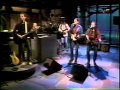
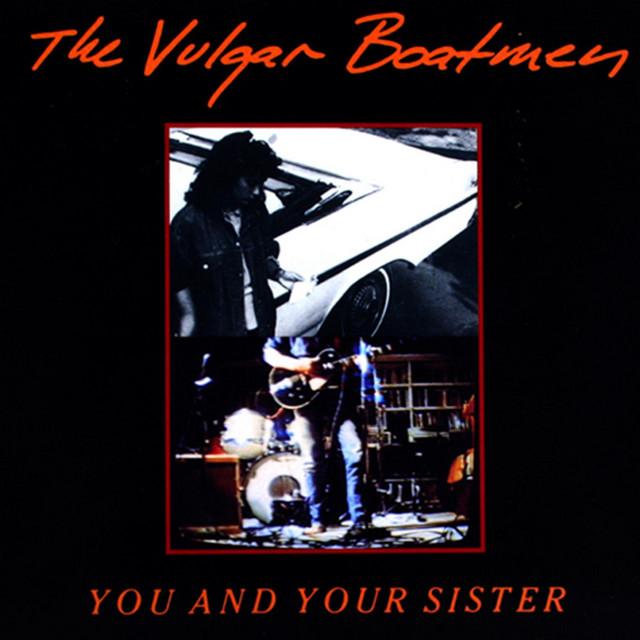
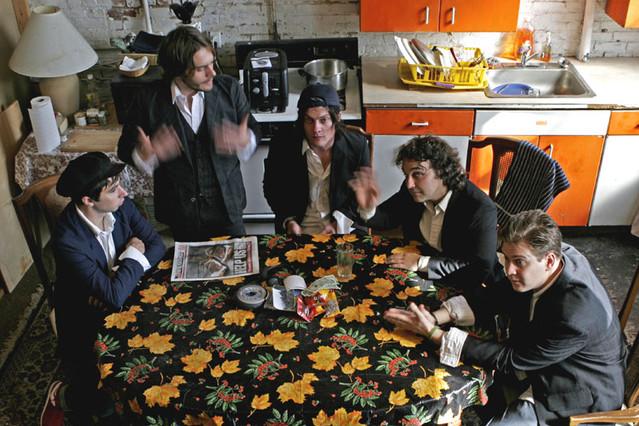
The Silos’ Spotify BioOne of the pioneering bands of the early alternative country scene, the Silos were the brainchild of vocalist, songwriter, and bandleader Walter Salas-Humara, who was born in Florida to parents who were exiled from Cuba. Salas-Humara began writing songs while he was a student at the University of Florida in Gainesville in the early '80s (where he played in an early version of the Vulgar Boatmen), and by 1985 he had relocated to New York City and was eager to record an album. Salas-Humara began working with bassist and guitarist Bob Rupe, another former Floridian. Calling themselves the Silos, the pair recorded -- with the help of a few friends -- a low-budget album called About Her Steps. Released by a small New York independent label called Record Collect, About Her Steps earned a number of rave reviews, and Salas-Humara and Rupe assembled a touring version of the Silos to support the release on the road.
In 1987, the road-tested Silos went into the studio to record Cuba, which added a… tougher and more confident tone to the debut album's blend of jangle and fuzz; the album became another critical favorite, and the band signed a major-label deal with RCA, who released the band's self-titled third set in 1990. A more delicate and carefully crafted effort than its predecessors, The Silos was lovely but a tough sell, and sold poorly by major-label standards (though it moved significantly more copies than Cuba or About Her Steps). RCA dropped the band, and Rupe parted ways with the Silos; Salas-Humara opted to continue without him, and the Texas-based independent label Watermelon Records issued Hasta la Victoria! in 1992. After 1994's Susan Across the Ocean, the Silos tool a break for several years, but with 1998's Heater, the group began to solidify with a new lineup -- Salas-Humara, bassist and pedal steel player Drew Glackin, and percussionist Konrad Meissner -- and a series of strong albums followed, including 2001's Laser Beam Next Door and 2004's When the Telephone Rings. ~ Mark Deming, Rovi
Viberate is a music analytics platform built for A&Rs, artist managers, labels, booking agents, marketers, and artists.
It helps music professionals track artist growth, analyze audience data, monitor playlist activity, compare artists, follow song performance, and identify opportunities across the music market.
Public artist pages provide a free preview of selected artist data. Paid plans provide access to deeper analytics, historical data, charts, comparisons, playlist tools, exports, alerts, reports, and additional professional features.
Yes. Public Viberate artist pages provide selected artist analytics and music data for free.
Viberate also offers a 7-day free trial of the full platform. A credit card is required to start the trial. The trial includes access to the complete product so users can test deeper artist analytics, historical views, playlist insights, comparisons, charts, exports, alerts, and reporting features before choosing a paid plan.
Viberate provides artist analytics across streaming, playlists, social media, video, radio airplay, songs, and audience markets.
Users can analyze Spotify performance, Spotify and Apple Music playlists, YouTube activity, TikTok and Instagram growth, radio spins, song performance, audience locations, demographics, rankings, and overall artist momentum.
Artist profiles also connect to music charts, similar artists, and comparison tools, helping users benchmark performance and evaluate artists in context.
Viberate updates key artist and track data daily.
For followed artists and tracks, selected data is refreshed multiple times per day. This helps teams monitor playlist changes, streaming movement, audience growth, releases, and campaign performance with more current data.
Update frequency can vary depending on the metric and data source.
Yes. Viberate lets users compare up to five artists side by side across streaming, social media, audience, and engagement metrics.
Users can compare fanbase growth, audience demographics, locations, Spotify performance, social metrics, and other artist data over selected time periods.
Artist comparison can be used for A&R scouting, benchmarking, booking decisions, campaign planning, and evaluating artists with similar audiences or market positions.