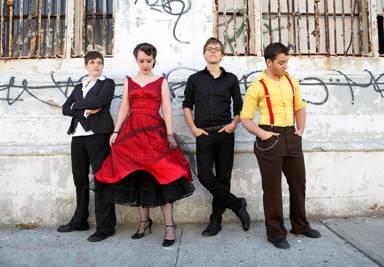
The Shondes

Rock
Alternative Rock
Punk Rock
 Viberate Rank: 457218
 Viberate Rank: 457218
 Monthly ListenersFollowers
 Subscribers
 Followers
 Followers
 FansTop Spotify Songs
| Track | 7-Day Streams | |
|---|---|---|
1 | 28 | |
2 | 24 | |
3 | 16 | |
4 | 13 | |
5 | 8 |
Top YouTube VideosMonthly ListenersFeatured in Playlists| Playlist | Followers | |
|---|---|---|
1 | Riot Grrrl Lauren O'Brien | 5.27K |
2 |  Anti-Fascist Punk and Metal Damascus | 4.40K |
3 |  The Oozes Fav Tuneses❗️ The Oozes | 2.06K |
4 | klezmer punk for yiddish queers juno🪻 | 1.64K |
5 |  femme punk rock riot grrrl garage stuff JORDZ | 1.50K |
Audience| City | Monthly Listeners | |
|---|---|---|
1 | | 7 |
2 | | 5 |
3 | | 5 |
4 | | 5 |
5 | | 5 |
See full performance history, audience data, playlist activity, rankings, comparisons, and more in Viberate music analytics. Start with a free trial, then continue with a paid plan.
The Shondes’ Spotify BioThe Shondes (pronounced Shahn-duhs) are a four-piece indie rock group based out of the western Brooklyn neighborhood of Park Slope. They rock a unique sound that combines '90s queercore and riot grrrl power with traditional Jewish music and dramatic, rich vocals. It's the sound of distortion, melody, feminism, and sociopolitical concerns being mixed and pumped passionately out of cranked-up amps, and it earned the group comparisons to Sleater-Kinney and other likeminded acts. Guitarist/vocalist Ian Brannigan, violinist/vocalist Elijah Oberman, and bassist/vocalist Louisa Rachel Solomon all met while studying at Manhattan's New School, and they came across drummer/vocalist Temim Fruchter while protesting the 2004 Republican National Convention in New York City. By 2006, the four had formed the Shondes, taking their name from the Yiddish word for "shame" or "disgrace." The band's live performance was a big part of its existence from early on; the group took part in festivals like… Canada's North by Northeast and Olympia, WA's Homo A Go Go, in addition to crossing stages with groups like Electrelane, Joe Lally (of Fugazi fame), Erase Errata, and the Saints. The Shondes self-released their debut album, The Red Sea, in early January 2008, which was recorded at Brooklyn's Studio G with Pere Ubu's Tony Maimone at the controls. In November 2008, Brannigan left the band to be replaced by guitarist Fureigh. My Dear One followed in 2010. ~ Corey Apar, Rovi
Viberate is a music analytics platform built for A&Rs, artist managers, labels, booking agents, marketers, and artists.
It helps music professionals track artist growth, analyze audience data, monitor playlist activity, compare artists, follow song performance, and identify opportunities across the music market.
Public artist pages provide a free preview of selected artist data. Paid plans provide access to deeper analytics, historical data, charts, comparisons, playlist tools, exports, alerts, reports, and additional professional features.
Yes. Public Viberate artist pages provide selected artist analytics and music data for free.
Viberate also offers a 7-day free trial of the full platform. A credit card is required to start the trial. The trial includes access to the complete product so users can test deeper artist analytics, historical views, playlist insights, comparisons, charts, exports, alerts, and reporting features before choosing a paid plan.
Viberate provides artist analytics across streaming, playlists, social media, video, radio airplay, songs, and audience markets.
Users can analyze Spotify performance, Spotify and Apple Music playlists, YouTube activity, TikTok and Instagram growth, radio spins, song performance, audience locations, demographics, rankings, and overall artist momentum.
Artist profiles also connect to music charts, similar artists, and comparison tools, helping users benchmark performance and evaluate artists in context.
Viberate updates key artist and track data daily.
For followed artists and tracks, selected data is refreshed multiple times per day. This helps teams monitor playlist changes, streaming movement, audience growth, releases, and campaign performance with more current data.
Update frequency can vary depending on the metric and data source.
Yes. Viberate lets users compare up to five artists side by side across streaming, social media, audience, and engagement metrics.
Users can compare fanbase growth, audience demographics, locations, Spotify performance, social metrics, and other artist data over selected time periods.
Artist comparison can be used for A&R scouting, benchmarking, booking decisions, campaign planning, and evaluating artists with similar audiences or market positions.