The Shods

Punk
Punk Rock
 Viberate Rank: 398498
 Viberate Rank: 398498
 Monthly ListenersFollowers
 Subscribers
 Followers
 Followers
 FansTop Spotify Songs
| Track | 7-Day Streams | |
|---|---|---|
1 | 96 | |
2 | 20 | |
3 | 15 | |
4 | 14 | |
5 | 10 |
Top YouTube Videos| Video | 7-Day Views | |
|---|---|---|
1 | 50 | |
2 | 41 | |
3 | 36 | |
4 | 30 | |
5 | 21 |
Monthly ListenersFeatured in Playlists| Playlist | Followers | |
|---|---|---|
1 |  Sacred Bones Now Playing Sacred Bones Records | 9.04K |
Audience| City | Monthly Listeners | |
|---|---|---|
1 | | 28 |
2 | | 10 |
3 | | 9 |
4 | | 8 |
5 | | 7 |
See full performance history, audience data, playlist activity, rankings, comparisons, and more in Viberate music analytics. Start with a free trial, then continue with a paid plan.
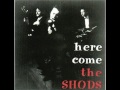
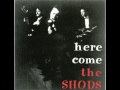
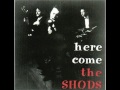
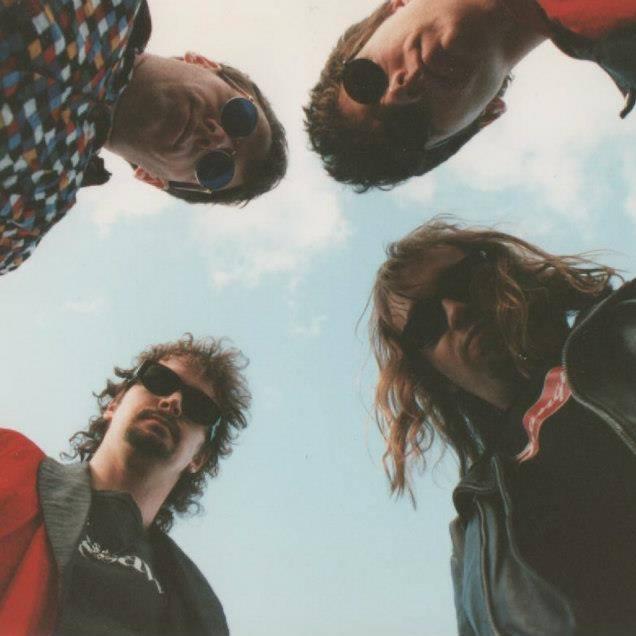
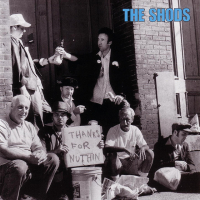
The Shods’ Spotify BioBoston punks the Shods were led by singer/guitarist Kevin Stevenson, a longtime mainstay of the local music scene whose past projects included Formicide, Only Living Witness, and DuckDuck. He formed the Shods with bassist Roy Costa and drummer Scott Pittman in 1993; two years later, the group issued its debut album, Here Come the Shods, on their own Poorhouse label. Costa left the band in the wake of the record's release, and with new bassist F.J. Ventre, as well as second guitarist Dave Aaronoff, the Shods signed with the local MCA imprint Fort Apache to cut Stop Crying. On the eve of the disc's release, however, MCA pulled out of the deal and Fort Apache was forced to shelve the project, which was finally issued four years later on Acme in 2001. Amidst the turmoil, Ventre exited, and with new bassist Craig Silverman the band returned to Poorhouse for 1998's Bamboozled, Jilted, Hornswoggled + Hoodwinked; only Stevenson and Pittman remained for the follow-up Thanks for Nuthin',… recorded with new bassist Dave Livingston and keyboardist Jay Buckley. After Thanks for Nuthin', the Shods almost came to a halt when it was learned that Stevenson was battling multiple sclerosis, but the guitarist adjusted his playing and learned to work around it, releasing Tippy in 2003. ~ Jason Ankeny, Rovi
Viberate is a music analytics platform built for A&Rs, artist managers, labels, booking agents, marketers, and artists.
It helps music professionals track artist growth, analyze audience data, monitor playlist activity, compare artists, follow song performance, and identify opportunities across the music market.
Public artist pages provide a free preview of selected artist data. Paid plans provide access to deeper analytics, historical data, charts, comparisons, playlist tools, exports, alerts, reports, and additional professional features.
Yes. Public Viberate artist pages provide selected artist analytics and music data for free.
Viberate also offers a 7-day free trial of the full platform. A credit card is required to start the trial. The trial includes access to the complete product so users can test deeper artist analytics, historical views, playlist insights, comparisons, charts, exports, alerts, and reporting features before choosing a paid plan.
Viberate provides artist analytics across streaming, playlists, social media, video, radio airplay, songs, and audience markets.
Users can analyze Spotify performance, Spotify and Apple Music playlists, YouTube activity, TikTok and Instagram growth, radio spins, song performance, audience locations, demographics, rankings, and overall artist momentum.
Artist profiles also connect to music charts, similar artists, and comparison tools, helping users benchmark performance and evaluate artists in context.
Viberate updates key artist and track data daily.
For followed artists and tracks, selected data is refreshed multiple times per day. This helps teams monitor playlist changes, streaming movement, audience growth, releases, and campaign performance with more current data.
Update frequency can vary depending on the metric and data source.
Yes. Viberate lets users compare up to five artists side by side across streaming, social media, audience, and engagement metrics.
Users can compare fanbase growth, audience demographics, locations, Spotify performance, social metrics, and other artist data over selected time periods.
Artist comparison can be used for A&R scouting, benchmarking, booking decisions, campaign planning, and evaluating artists with similar audiences or market positions.