The Shell Collector


Rock
Progressive Rock
Noise Rock
 Viberate Rank: 681295
 Viberate Rank: 681295
 Monthly ListenersFollowers
 Subscribers
 Followers
 Followers
 FansTop Spotify Songs
| Track | 7-Day Streams | |
|---|---|---|
1 | 6 | |
2 | 3 | |
3 | 3 | |
4 | 2 | |
5 | 2 |
Top YouTube VideosMonthly ListenersFeatured in PlaylistsAudience| City | Monthly Listeners | |
|---|---|---|
1 | | 3 |
See full performance history, audience data, playlist activity, rankings, comparisons, and more in Viberate music analytics. Start with a free trial, then continue with a paid plan.
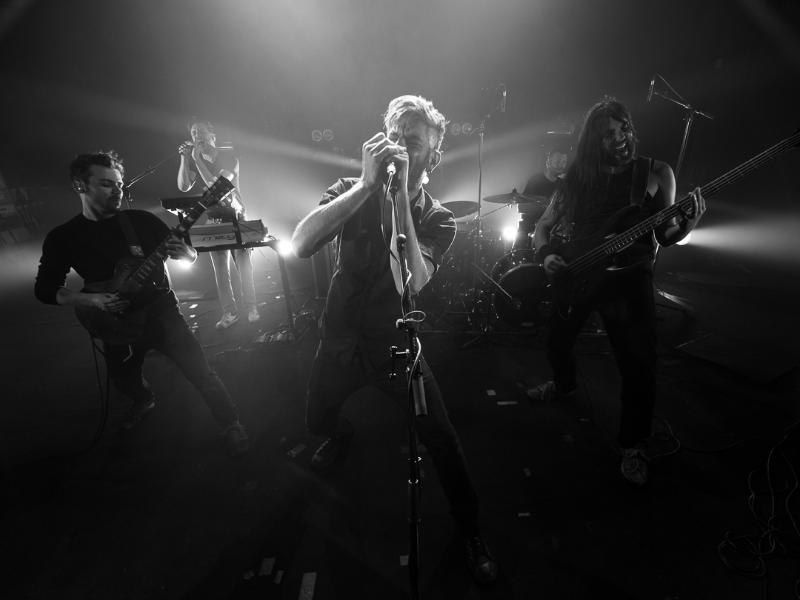
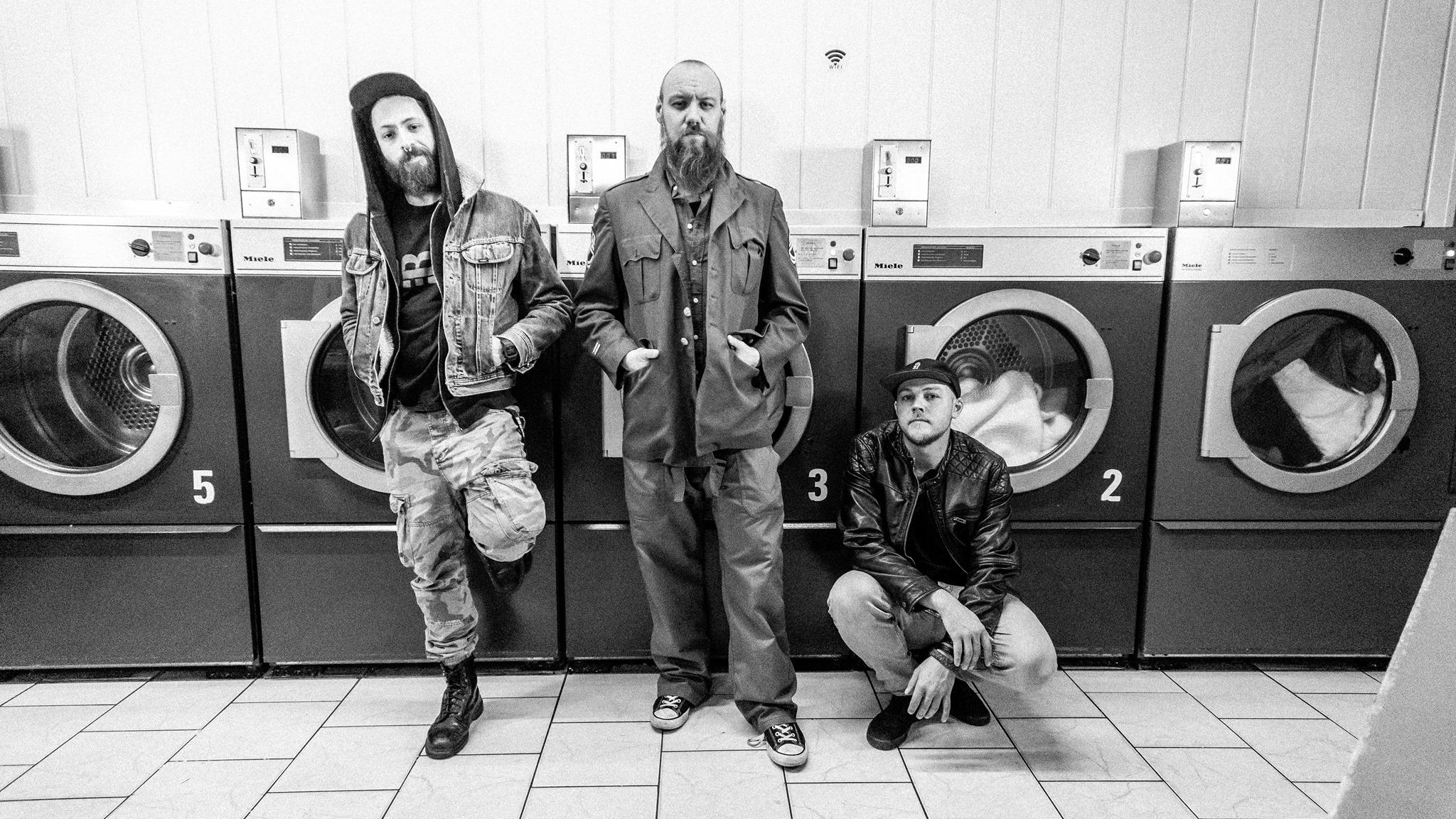
The Shell Collector’s Spotify BioThe Shell Collector is a Berlin based band originally formed as the brainchild of Enrico Tiberi (nrec, Dark Side Bright Side, 4Oceans). The project gave Tiberi a platform to experiment with some of his best riffs and ideas combining Rock, Pop, Progressive together with cinematic, psychedelic and classical elements, ultimately resulting in a full band line-up in 2012.
The Shell Collector released it's first EP is the Beginning of an Army in 2013, followed by the in 2013 released cover song Brave (from Katatonia) and the EP Rain Songs including The Who’s cover song Love, Reign O’er Me. The band's first full length album “Medusa” was released in May 2014, followed by the single “Now or Nevermore” in 2015 and the EP Innocence Dear, a collaboration with writer and sculptor Giorgio Serafino early 2016
In 2020 The Shell Collector released the live album Raw and Improvised from a Studio in Nalepastrasse an improvised jam session recorded in the legendary recording studios of Funkhaus in Berlin,… Germany.
The EP Puppet was released shortly after in late 2020, exploring the new sound the band developed with it's newly added bandmembers.
In 2016, with Tiberi moving to Berlin (Germany), the Shell Collector became fully formed and added Gianluca Gulino (HBRD, Animal Riot, Ex-King For A Day) on bass/vocals, Kay Ketting (Rocketting, The Sunpilots, ex-Airborne Kid) on drums/vocals and Marco Gennaro (Dark Side Bright Side, ex-Mammoth Mammoth) on guitar to the new line-up.
Viberate is a music analytics platform built for A&Rs, artist managers, labels, booking agents, marketers, and artists.
It helps music professionals track artist growth, analyze audience data, monitor playlist activity, compare artists, follow song performance, and identify opportunities across the music market.
Public artist pages provide a free preview of selected artist data. Paid plans provide access to deeper analytics, historical data, charts, comparisons, playlist tools, exports, alerts, reports, and additional professional features.
Yes. Public Viberate artist pages provide selected artist analytics and music data for free.
Viberate also offers a 7-day free trial of the full platform. A credit card is required to start the trial. The trial includes access to the complete product so users can test deeper artist analytics, historical views, playlist insights, comparisons, charts, exports, alerts, and reporting features before choosing a paid plan.
Viberate provides artist analytics across streaming, playlists, social media, video, radio airplay, songs, and audience markets.
Users can analyze Spotify performance, Spotify and Apple Music playlists, YouTube activity, TikTok and Instagram growth, radio spins, song performance, audience locations, demographics, rankings, and overall artist momentum.
Artist profiles also connect to music charts, similar artists, and comparison tools, helping users benchmark performance and evaluate artists in context.
Viberate updates key artist and track data daily.
For followed artists and tracks, selected data is refreshed multiple times per day. This helps teams monitor playlist changes, streaming movement, audience growth, releases, and campaign performance with more current data.
Update frequency can vary depending on the metric and data source.
Yes. Viberate lets users compare up to five artists side by side across streaming, social media, audience, and engagement metrics.
Users can compare fanbase growth, audience demographics, locations, Spotify performance, social metrics, and other artist data over selected time periods.
Artist comparison can be used for A&R scouting, benchmarking, booking decisions, campaign planning, and evaluating artists with similar audiences or market positions.