The Shaky Hands

Rock
Indie Rock
Folk Rock
 Viberate Rank: 496108
 Viberate Rank: 496108
 Monthly ListenersFollowers
 Subscribers
 Followers
 Followers
 FansTop Spotify Songs
| Track | 7-Day Streams | |
|---|---|---|
1 | 70 | |
2 | 29 | |
3 | 18 | |
4 | 16 | |
5 | 16 |
Top YouTube VideosMonthly ListenersFeatured in Playlists| Playlist | Followers | |
|---|---|---|
1 | Aquarium Drunkard Radio J.B. Spaulding | 6.26K |
2 |  Big Day Out 1992-2014 Keegan Littlewood | 2.26K |
3 |  BIRP! 2009 - 2019 BIRP! | 2.20K |
4 | Mx vs Atv ffranbeg | 2.09K |
5 |  GASTÃO MOREIRA OFICIAL GASTÃO MOREIRA | 1.94K |
Audience| City | Monthly Listeners | |
|---|---|---|
1 | | 22 |
2 | | 10 |
3 | | 8 |
4 | | 7 |
5 |  | 7 |
See full performance history, audience data, playlist activity, rankings, comparisons, and more in Viberate music analytics. Start with a free trial, then continue with a paid plan.
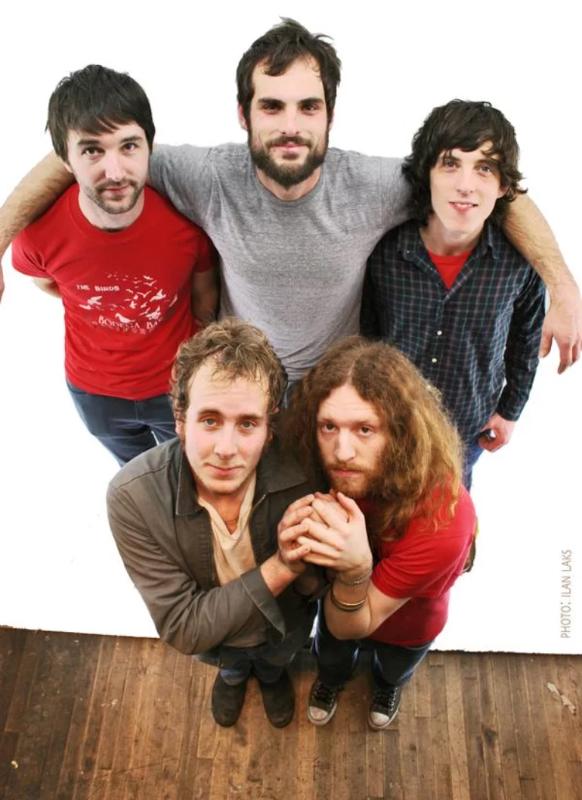
The Shaky Hands’ Spotify BioPortland's the Shaky Hands play a smart, slightly shambolic brand of indie pop informed by classic folk-rock and British Invasion pop that had made them a local favorite in their hometown and earned them a growing international following. The Shaky Hands were formed in 2003 by singer and guitarist Nicholas Delffs and drummer Colin Anderson, who had recently arrived in Portland after leaving Mendocino, CA. Eager to start a band, Delffs and Anderson teamed up with bassist Paul Culp, and the trio began working up fresh material. The Shaky Hands began recording their new songs at a makeshift studio owned by guitarist Jeff Lehman, and before long Lehman was absorbed into the group. These early recording sessions evolved into an album called The Skidmore Days, which the Shaky Hands released themselves in 2004. Later that same year, Culp parted ways with the band and Mayhaw Hoons became the Shaky Hands' new bassist; he made his recorded debut with an EP the group put out in 2005. The Shaky… Hands had become a frequent presence on the Portland music scene, playing anywhere and everywhere from house parties to Portland's PDX Now Pop Festival, and in 2007 the independent newspaper Willamette Week declared them Portland's Best New Band not long after the release of their second full-length album, The Shaky Hands on Holocene Records. The album became a critical favorite, and they were soon signed to the respected American indie label Kill Rock Stars as well as Europe's Memphis Industries. Before the release of 2008's Lunglight, the Shaky Hands experienced a personnel shake-up when Colin Anderson left the band and multi-instrumentalist Nathan Delffs (Nicholas' brother), who had already been working with the group, moved over to drums. By the end of 2008, Nathan Delffs was out of the group, and Jake Morris, formerly with the Joggers, was named the Shaky Hands' new drummer. Let It Die appeared in 2009. ~ Mark Deming, Rovi
Viberate is a music analytics platform built for A&Rs, artist managers, labels, booking agents, marketers, and artists.
It helps music professionals track artist growth, analyze audience data, monitor playlist activity, compare artists, follow song performance, and identify opportunities across the music market.
Public artist pages provide a free preview of selected artist data. Paid plans provide access to deeper analytics, historical data, charts, comparisons, playlist tools, exports, alerts, reports, and additional professional features.
Yes. Public Viberate artist pages provide selected artist analytics and music data for free.
Viberate also offers a 7-day free trial of the full platform. A credit card is required to start the trial. The trial includes access to the complete product so users can test deeper artist analytics, historical views, playlist insights, comparisons, charts, exports, alerts, and reporting features before choosing a paid plan.
Viberate provides artist analytics across streaming, playlists, social media, video, radio airplay, songs, and audience markets.
Users can analyze Spotify performance, Spotify and Apple Music playlists, YouTube activity, TikTok and Instagram growth, radio spins, song performance, audience locations, demographics, rankings, and overall artist momentum.
Artist profiles also connect to music charts, similar artists, and comparison tools, helping users benchmark performance and evaluate artists in context.
Viberate updates key artist and track data daily.
For followed artists and tracks, selected data is refreshed multiple times per day. This helps teams monitor playlist changes, streaming movement, audience growth, releases, and campaign performance with more current data.
Update frequency can vary depending on the metric and data source.
Yes. Viberate lets users compare up to five artists side by side across streaming, social media, audience, and engagement metrics.
Users can compare fanbase growth, audience demographics, locations, Spotify performance, social metrics, and other artist data over selected time periods.
Artist comparison can be used for A&R scouting, benchmarking, booking decisions, campaign planning, and evaluating artists with similar audiences or market positions.