The Russian Sleep Experiment

Metal
Metalcore/Deathcore
Progressive Metal
 Viberate Rank: 644610
 Viberate Rank: 644610
 Monthly ListenersFollowers
 Subscribers
 Followers
 Followers
 FansTop Spotify Songs
| Track | 7-Day Streams | |
|---|---|---|
1 | 9 | |
2 | 5 | |
3 | 4 | |
4 | 4 | |
5 | 4 |
Top YouTube Videos| Video | 7-Day Views | |
|---|---|---|
1 | 8 |
Monthly ListenersFeatured in Playlists| Playlist | Followers | |
|---|---|---|
1 | Djent/Progressive/Metalcore/Deathcore Jonas Vikkelsø Henriksen | 9.06K |
2 | Deathcore/Slam/Downtempo OhhElement | 3.13K |
3 |  InstruMetal ⚡ Instrumental Metal & Rock shawnvanboven | 2.36K |
4 |  Deathcore (Shuffle And Play) Higgins Callum | 1.72K |
Audience| City | Monthly Listeners | |
|---|---|---|
1 | | 3 |
See full performance history, audience data, playlist activity, rankings, comparisons, and more in Viberate music analytics. Start with a free trial, then continue with a paid plan.
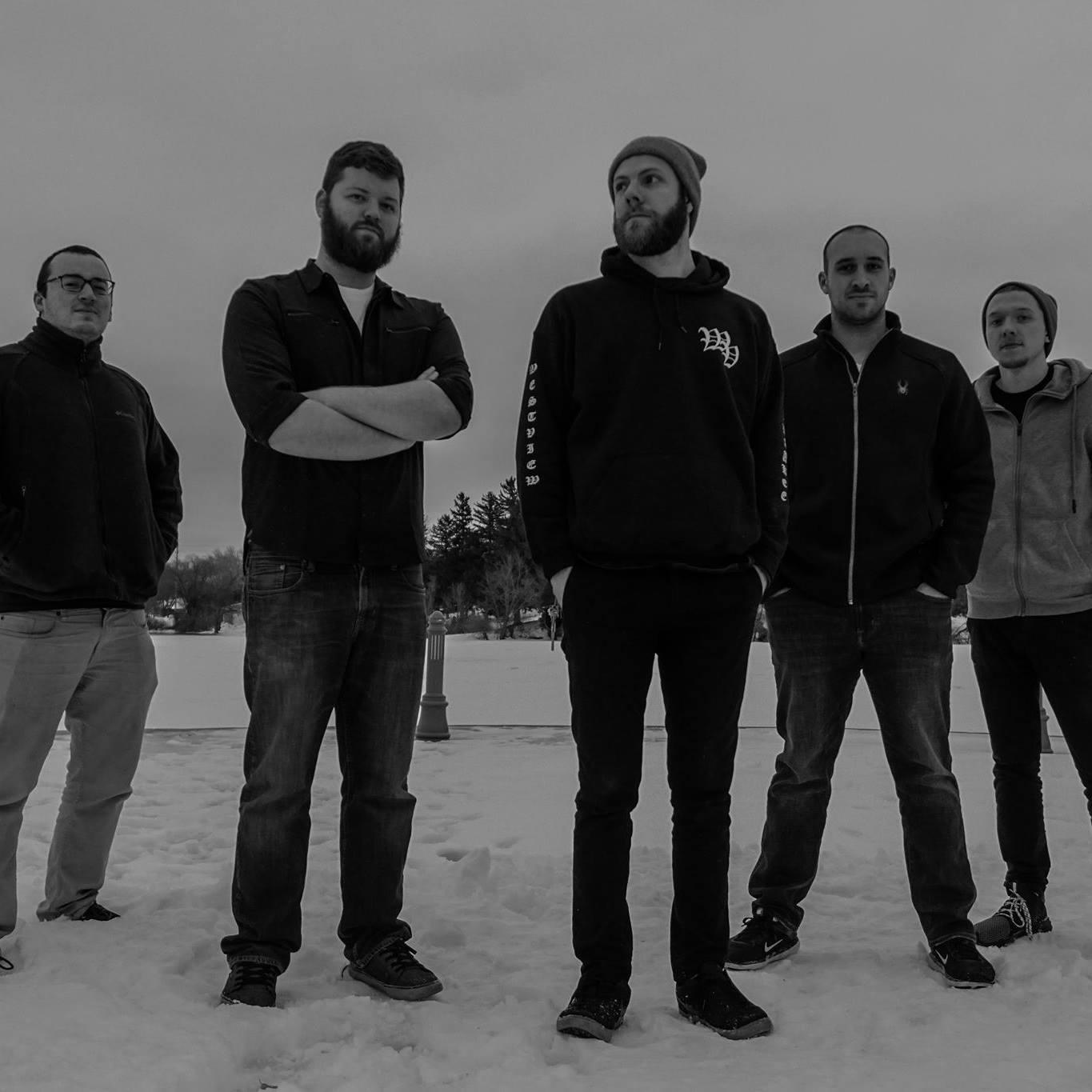
The Russian Sleep Experiment’s Spotify BioHailing from Milwaukee, Wisconsin, The Russian Sleep Experiment exploded onto the midwest metal scene in 2014. Meeting together from former bands, 16-year old guitarists Nima Cheraghi and Nick Walloch teamed up with drummer Ben Wintheiser to start TRSE. Shortly after, Ethan Potrykus joined on vocals. In the same year, TRSE released their debut album, "An End Reborn". With such a powerful, new sound, the band opened up for many acts in it's first year, such as August Burns Red, Miss May I, Northlane, After The Burial, Erra, and Yüth Forever. The Russian Sleep Experiment had their trajectory aimed to the sky.
In 2015, the band experienced a sudden break, where four of the members left, interested in doing other music ventures. Cheraghi was left as the sole member. He enlisted Michael Klocke on vocals and Jesse Matusek on drums, who would later define the aggressive sound that TRSE is recognized for.
In summer of 2015, TRSE released the "Deception" EP, which received critical praise across… the metal world, getting picked up by several editorials such as Chugcore, Djentworldwide, BeheadingTheTraitor, and many more. Songs like "Lost & Bound" and "In Light" became immediate fan favorites in the underground metal scene.
In 2016, TRSE released their final track, "The Adversary". In perfect style, TRSE ended with an explosive and powerful record.
Viberate is a music analytics platform built for A&Rs, artist managers, labels, booking agents, marketers, and artists.
It helps music professionals track artist growth, analyze audience data, monitor playlist activity, compare artists, follow song performance, and identify opportunities across the music market.
Public artist pages provide a free preview of selected artist data. Paid plans provide access to deeper analytics, historical data, charts, comparisons, playlist tools, exports, alerts, reports, and additional professional features.
Yes. Public Viberate artist pages provide selected artist analytics and music data for free.
Viberate also offers a 7-day free trial of the full platform. A credit card is required to start the trial. The trial includes access to the complete product so users can test deeper artist analytics, historical views, playlist insights, comparisons, charts, exports, alerts, and reporting features before choosing a paid plan.
Viberate provides artist analytics across streaming, playlists, social media, video, radio airplay, songs, and audience markets.
Users can analyze Spotify performance, Spotify and Apple Music playlists, YouTube activity, TikTok and Instagram growth, radio spins, song performance, audience locations, demographics, rankings, and overall artist momentum.
Artist profiles also connect to music charts, similar artists, and comparison tools, helping users benchmark performance and evaluate artists in context.
Viberate updates key artist and track data daily.
For followed artists and tracks, selected data is refreshed multiple times per day. This helps teams monitor playlist changes, streaming movement, audience growth, releases, and campaign performance with more current data.
Update frequency can vary depending on the metric and data source.
Yes. Viberate lets users compare up to five artists side by side across streaming, social media, audience, and engagement metrics.
Users can compare fanbase growth, audience demographics, locations, Spotify performance, social metrics, and other artist data over selected time periods.
Artist comparison can be used for A&R scouting, benchmarking, booking decisions, campaign planning, and evaluating artists with similar audiences or market positions.