The Royalettes

R&B
Soul
 Viberate Rank: 359545
 Viberate Rank: 359545
 Monthly ListenersFollowers
 Subscribers
 Followers
 Followers
 FansTop Spotify Songs
| Track | 7-Day Streams | |
|---|---|---|
1 | 268 | |
2 | 254 | |
3 | 123 | |
4 | 53 | |
5 | 12 |
Top YouTube VideosMonthly ListenersFeatured in Playlists| Playlist | Followers | |
|---|---|---|
1 |  Sunday chill... Romare | 5.41K |
2 | Motown, Classic R&B & lost Soul Hits Maggie King | 4.29K |
3 |  Solid Gold Oldies 50's- 70's Brian Salvador | 4.00K |
4 |  50s/60s Girl Groups joolisah | 2.61K |
5 | Underground and Rare Oldies/various artists Gracie Gomez | 2.19K |
Audience| City | Monthly Listeners | |
|---|---|---|
1 |  | 95 |
2 | | 49 |
3 | | 38 |
4 | | 30 |
5 | | 19 |
See full performance history, audience data, playlist activity, rankings, comparisons, and more in Viberate music analytics. Start with a free trial, then continue with a paid plan.
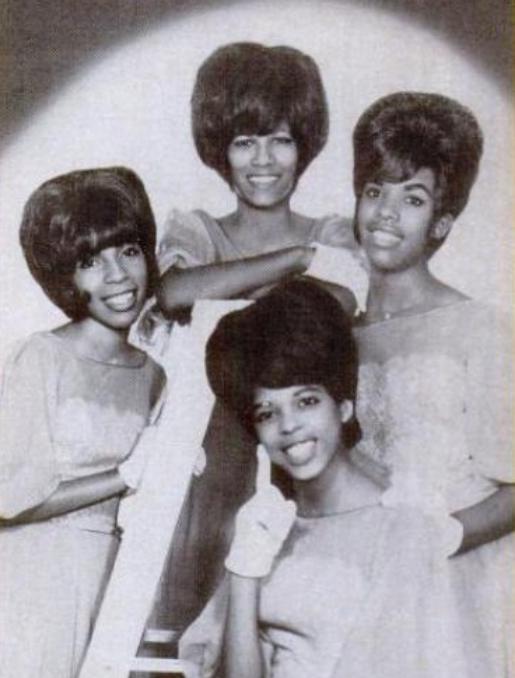
The Royalettes’ Spotify BioThis Baltimore quartet was something of a link between the girl group and "sweet soul" styles. Their harmonies were clearly grounded in the early-'60s girl group approach. But they also benefited from pop-oriented, occasionally grandiose production at the MGM label, where they recorded their most successful work. If they sometimes sounded like a female version of Little Anthony & the Imperials' later recordings, it's no coincidence. Little Anthony's producer, Teddy Randazzo, also handled the Royalettes, and wrote much of their MGM material.
The Royalettes made some obscure singles for Chancellor and Warner Bros. before being signed to MGM in 1964. Their third single, the lush "It's Gonna Take a Miracle," was by far their most successful outing, stopping just shy of the Top 40. It was destined to be more identified, however, with singer/songwriter Laura Nyro, who made it the title track of her 1971 album of soul covers. In 1982, Deniece Williams took the song into the Top Ten with her… own rendition.
The Royalettes did have another small hit in 1965 with "I Want to Meet Him," but never dented the charts again, although MGM spared no expense on their elaborate productions for the group's singles. A final MGM single, produced by Bill Medley of the Righteous Brothers, also failed to get anywhere, and the group broke up by the end of the 1960s, after a final 45 for Roulette. ~ Richie Unterberger, Rovi
Viberate is a music analytics platform built for A&Rs, artist managers, labels, booking agents, marketers, and artists.
It helps music professionals track artist growth, analyze audience data, monitor playlist activity, compare artists, follow song performance, and identify opportunities across the music market.
Public artist pages provide a free preview of selected artist data. Paid plans provide access to deeper analytics, historical data, charts, comparisons, playlist tools, exports, alerts, reports, and additional professional features.
Yes. Public Viberate artist pages provide selected artist analytics and music data for free.
Viberate also offers a 7-day free trial of the full platform. A credit card is required to start the trial. The trial includes access to the complete product so users can test deeper artist analytics, historical views, playlist insights, comparisons, charts, exports, alerts, and reporting features before choosing a paid plan.
Viberate provides artist analytics across streaming, playlists, social media, video, radio airplay, songs, and audience markets.
Users can analyze Spotify performance, Spotify and Apple Music playlists, YouTube activity, TikTok and Instagram growth, radio spins, song performance, audience locations, demographics, rankings, and overall artist momentum.
Artist profiles also connect to music charts, similar artists, and comparison tools, helping users benchmark performance and evaluate artists in context.
Viberate updates key artist and track data daily.
For followed artists and tracks, selected data is refreshed multiple times per day. This helps teams monitor playlist changes, streaming movement, audience growth, releases, and campaign performance with more current data.
Update frequency can vary depending on the metric and data source.
Yes. Viberate lets users compare up to five artists side by side across streaming, social media, audience, and engagement metrics.
Users can compare fanbase growth, audience demographics, locations, Spotify performance, social metrics, and other artist data over selected time periods.
Artist comparison can be used for A&R scouting, benchmarking, booking decisions, campaign planning, and evaluating artists with similar audiences or market positions.