The Royal Blue

Rock
Garage Rock
 Viberate Rank: 511820
 Viberate Rank: 511820
 Monthly ListenersFollowers
 Subscribers
 Followers
 Followers
 FansTop Spotify Songs
| Track | 7-Day Streams | |
|---|---|---|
1 | 81 | |
2 | 53 | |
3 | 47 | |
4 | 47 | |
5 | 46 |
Top YouTube VideosMonthly ListenersFeatured in PlaylistsAudience| City | Monthly Listeners | |
|---|---|---|
1 |  | 12 |
2 | | 8 |
3 | | 7 |
4 | | 6 |
5 | | 4 |
See full performance history, audience data, playlist activity, rankings, comparisons, and more in Viberate music analytics. Start with a free trial, then continue with a paid plan.
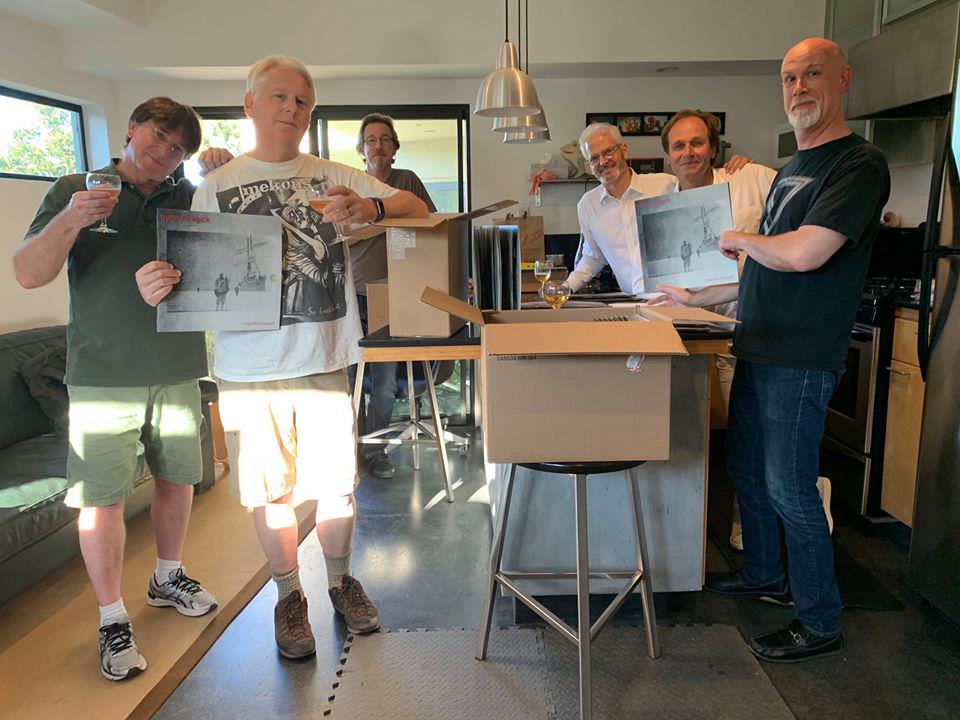
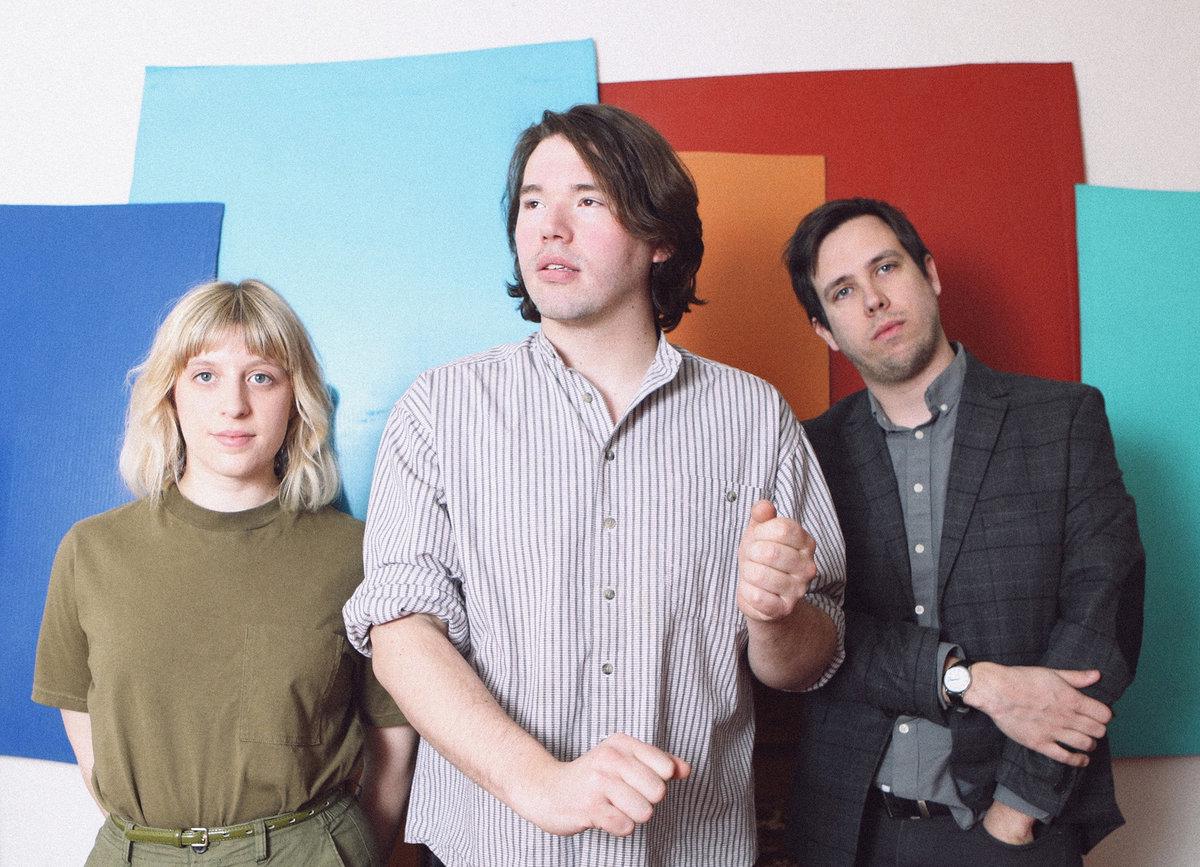
The Royal Blue’s Spotify BioKarm Kerwell and Jeff Taugner were in the Wisconsin based punk band THE MESS (1983-1986). Notable recordings consisted of their highly esteemed demo tape "Caught in the Middle" and an EP titled "It's All Wyrd". With a few tours under their belts and some crazy shows the Mess called it a day in 1986. Karm then joined the San Francisco based SYSTEMS COLLAPSE, serving from 1986 - 1988 as vocalist. Both Karm and Jeff then fell into obscurity until they met years later in Jeff's basement in 2014 to begin work on songs for THE ROYAL BLUE.
Adam James began playing in live bands at the age of 15 and was known as the kid in the snakeskin boots playing solos on the bar top. Writing original music quickly became his passion and he released his first studio album in 1995 with his band NightZReign. Over the years his style and appetite for different genres of music has expanded. In his previous band, Grey Wolf Run, he co-wrote three albums, each with a diverse sound and deep pointed lyrics. He… approaches the guitar with intensity and a desire to continue learning and shaping his sound. James brings his eclectic and tasty style to The Royal Blue where he and Karm layer guitar parts into a scrumptious sonic cake.
Jason Nelson was discovered in a craigslist add and brought aboard to join the Blue. Jason was the drummer for Appleton's SEVEN FEET TALL (1997-2007). He then went on to play for the Green Bay based QUARTER LIFE CRISIS until around 2012.
Viberate is a music analytics platform built for A&Rs, artist managers, labels, booking agents, marketers, and artists.
It helps music professionals track artist growth, analyze audience data, monitor playlist activity, compare artists, follow song performance, and identify opportunities across the music market.
Public artist pages provide a free preview of selected artist data. Paid plans provide access to deeper analytics, historical data, charts, comparisons, playlist tools, exports, alerts, reports, and additional professional features.
Yes. Public Viberate artist pages provide selected artist analytics and music data for free.
Viberate also offers a 7-day free trial of the full platform. A credit card is required to start the trial. The trial includes access to the complete product so users can test deeper artist analytics, historical views, playlist insights, comparisons, charts, exports, alerts, and reporting features before choosing a paid plan.
Viberate provides artist analytics across streaming, playlists, social media, video, radio airplay, songs, and audience markets.
Users can analyze Spotify performance, Spotify and Apple Music playlists, YouTube activity, TikTok and Instagram growth, radio spins, song performance, audience locations, demographics, rankings, and overall artist momentum.
Artist profiles also connect to music charts, similar artists, and comparison tools, helping users benchmark performance and evaluate artists in context.
Viberate updates key artist and track data daily.
For followed artists and tracks, selected data is refreshed multiple times per day. This helps teams monitor playlist changes, streaming movement, audience growth, releases, and campaign performance with more current data.
Update frequency can vary depending on the metric and data source.
Yes. Viberate lets users compare up to five artists side by side across streaming, social media, audience, and engagement metrics.
Users can compare fanbase growth, audience demographics, locations, Spotify performance, social metrics, and other artist data over selected time periods.
Artist comparison can be used for A&R scouting, benchmarking, booking decisions, campaign planning, and evaluating artists with similar audiences or market positions.