The Room

Rock
Progressive Rock
Indie Rock
 Viberate Rank: 298226
 Viberate Rank: 298226
 Monthly ListenersFollowers
 Subscribers
 Followers
 Followers
 FansTop Spotify Songs
| Track | 7-Day Streams | |
|---|---|---|
1 | 157 | |
2 | 131 | |
3 | 56 | |
4 | 37 | |
5 | 24 |
Top YouTube VideosMonthly ListenersFeatured in Playlists| Playlist | Followers | |
|---|---|---|
1 |  Off Your Face anton newcombe | 5.86K |
2 |  Side-Line darkwave dark electro synthpop Side-Line Magazine | 3.72K |
3 |  80’s Alternative Deep Cuts & Obscurities Text Unsent | 2.07K |
4 |  The Sound of UK Post-Punk The Sounds of Spotify | 1.88K |
5 |  CBB-FM Vinod Shankar | 1.31K |
Audience| City | Monthly Listeners | |
|---|---|---|
1 |  | 70 |
2 | | 24 |
3 | | 21 |
4 | | 20 |
5 | | 18 |
See full performance history, audience data, playlist activity, rankings, comparisons, and more in Viberate music analytics. Start with a free trial, then continue with a paid plan.
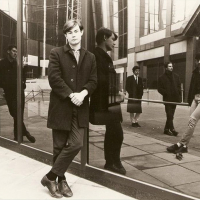
The Room’s Spotify BioThe Liverpool, England, new wave band the Room were greeted with critical rhapsodies when they first appeared in the early '80s. Featuring Dave Jackson (vocals), Paul Cavanagh (guitar), Becky Stringer (bass), and Alan Wills (drums), the Room formed in 1983, releasing several singles on Box Records. None of the singles penetrated the pop charts, but music writers showered them with praise. In 1984, the Room opened for former Television leader Tom Verlaine; Verlaine was so impressed with the group that he produced several tracks on the Room's 1984 LP In Evil Hour. The Room also hired veteran Smiths producer John Porter for In Evil Hour. However, such renowned assistance couldn't elevate the Room from its cult status; the critics still loved them, but nobody else seemed interested in listening. To expand its sound, the band added Pete Baker (organ, synthesizer) and Phil Lucking (trombone, trumpet) to its lineup. The Room released one more album, 1986's Nemesis, before disintegrating.… Jackson created Benny Profane in the late '80s with Stringer and Baker. The Room are perhaps best known for the song "New Dreams for Old"; highlighted by Jackson's dynamic vocals and Baker's jazzy trumpet, the track became an underground radio hit in the Philippines in 1988, four years after its U.K. release. ~ Michael Sutton, Rovi
Viberate is a music analytics platform built for A&Rs, artist managers, labels, booking agents, marketers, and artists.
It helps music professionals track artist growth, analyze audience data, monitor playlist activity, compare artists, follow song performance, and identify opportunities across the music market.
Public artist pages provide a free preview of selected artist data. Paid plans provide access to deeper analytics, historical data, charts, comparisons, playlist tools, exports, alerts, reports, and additional professional features.
Yes. Public Viberate artist pages provide selected artist analytics and music data for free.
Viberate also offers a 7-day free trial of the full platform. A credit card is required to start the trial. The trial includes access to the complete product so users can test deeper artist analytics, historical views, playlist insights, comparisons, charts, exports, alerts, and reporting features before choosing a paid plan.
Viberate provides artist analytics across streaming, playlists, social media, video, radio airplay, songs, and audience markets.
Users can analyze Spotify performance, Spotify and Apple Music playlists, YouTube activity, TikTok and Instagram growth, radio spins, song performance, audience locations, demographics, rankings, and overall artist momentum.
Artist profiles also connect to music charts, similar artists, and comparison tools, helping users benchmark performance and evaluate artists in context.
Viberate updates key artist and track data daily.
For followed artists and tracks, selected data is refreshed multiple times per day. This helps teams monitor playlist changes, streaming movement, audience growth, releases, and campaign performance with more current data.
Update frequency can vary depending on the metric and data source.
Yes. Viberate lets users compare up to five artists side by side across streaming, social media, audience, and engagement metrics.
Users can compare fanbase growth, audience demographics, locations, Spotify performance, social metrics, and other artist data over selected time periods.
Artist comparison can be used for A&R scouting, benchmarking, booking decisions, campaign planning, and evaluating artists with similar audiences or market positions.