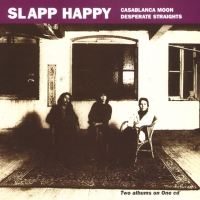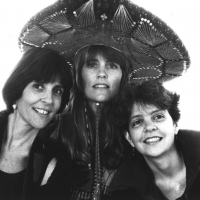
The Roches

Country
Americana/Alt Country
Folk Rock
 Viberate Rank: 101329
 Viberate Rank: 101329
 Monthly ListenersFollowers
 Subscribers
 Followers
 Followers
 FansTop Spotify Songs
| Track | 7-Day Streams | |
|---|---|---|
1 | 32.01K | |
2 | 6.82K | |
3 | 6.28K | |
4 | 5.94K | |
5 | 3.40K |
Top YouTube Videos| Video | 7-Day Views | |
|---|---|---|
1 | 275 | |
2 | 184 |
Monthly ListenersFeatured in Playlists| Playlist | Followers | |
|---|---|---|
1 |  Fidi & Bumsi Spotify | 353.24K |
2 |  🗝️ IF U PLZ 🗝️ carolineplz | 63.72K |
3 | wicks Brennan McDowell | 43.73K |
4 | The Morning Spring 2023 Playlist nytimes | 30.66K |
5 |  Sunday Morning's Essential American Songbook CBS Sunday Morning | 27.51K |
Audience| City | Monthly Listeners | |
|---|---|---|
1 |  | 5.18K |
2 | | 3.33K |
3 | | 3.23K |
4 | | 2.22K |
5 |  | 2.09K |
See full performance history, audience data, playlist activity, rankings, comparisons, and more in Viberate music analytics. Start with a free trial, then continue with a paid plan.
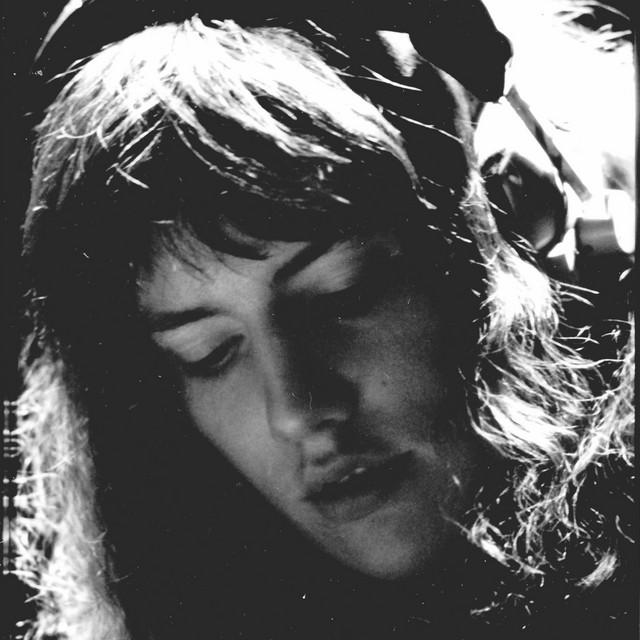
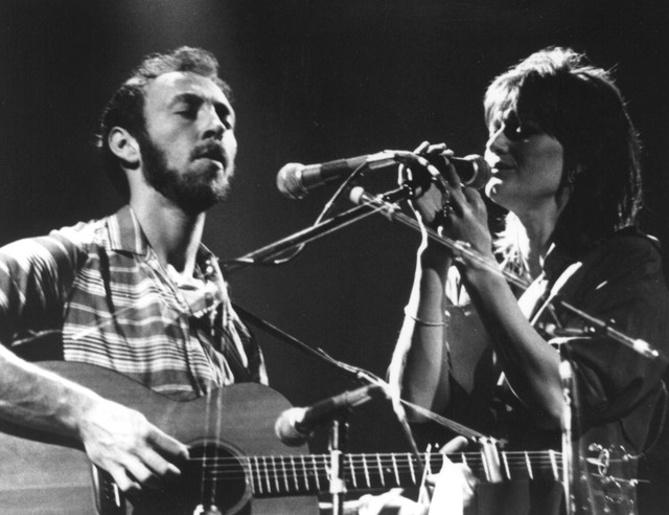
The Roches’ Spotify BioNoted for their lush harmonies, quirky songs, and impressive stylistic range, the three Roche sisters -- Maggie, Terre, and Suzzy -- were among contemporary folk music's most endearing artists. The Roches began singing together while growing up in New York during the late '50s and early '60s, taking to the streets of the city each holiday season to regale passersby with Christmas carols. At the end of the decade both Maggie (the oldest) and Terre (the middle daughter) quit school to begin touring professionally as a duo. In 1970 they met Paul Simon, who tapped them to sing backup on his There Goes Rhymin' Simon album. He also helped get them a contract with Columbia; their debut LP, Seductive Reasoning, followed in 1975, but went largely unnoticed. For a time, the Roches considered quitting the music business, even leaving New York to retreat to Louisiana; eventually they returned north, at which time Suzzy left college to join the group full-time.
Restored to a trio, the Roches became… a staple of the Greenwich Village folk circuit and a favorite of local critics. In 1979, they signed to Warner Bros. to issue a self-titled LP produced by Robert Fripp, earning acclaim for their exquisite harmonies (equal parts Terre's ethereal upper register, Maggie's near-baritone low notes, and Suzzy's midrange acrobatics). While the track "The Married Men" later scored a successful cover by Phoebe Snow, The Roches itself was not a hit. For 1980's Nurds, they changed direction, augmenting their basic folk sound with a rock rhythm section comprising former Television bassist Fred Smith and Patti Smith Group drummer Jay Dee Daugherty. Fripp returned to produce 1982's Keep on Doing, a largely acoustic effort featuring cameos from members of King Crimson. When neither it nor its follow-up, 1985's Another World, was a commercial success, the trio left Warner to return to touring.
The Roches finally resurfaced on record in 1989, issuing Speak on MCA to the usual press acclaim and negligible sales. Their next effort, 1990's We Three Kings, was a Christmas album fondly recalling the sisters' roots. After 1992's A Dove, the trio left MCA to record a children's album, Will You Be My Friend?, issued on the tiny Baby Boom label in 1994. Continuing to cater to the younger set, that same year they recorded the soundtrack to the animated feature The Land Before Time II. For 1995's Can We Go Home Now, they signed to Rykodisc; another Roche sibling -- brother David -- was on hand to lend backing vocals. In early 1997, the Roches announced they were, at least temporarily, going their separate ways. While Maggie remained quiet, Terre soon formed a new group, Terre Roche & Her Moodswings, and later that same year Suzzy issued her first solo LP, Holy Smokes. In 2003 Rhino/Warner Bros. released the Collected Works of the Roches compilation, prompting the trio to re-form after an 11-year hiatus for 2007's excellent Moonswept. They toured only sporadically thereafter, and Maggie Roche died of cancer a decade later in January of 2017. ~ Jason Ankeny, Rovi
Viberate is a music analytics platform built for A&Rs, artist managers, labels, booking agents, marketers, and artists.
It helps music professionals track artist growth, analyze audience data, monitor playlist activity, compare artists, follow song performance, and identify opportunities across the music market.
Public artist pages provide a free preview of selected artist data. Paid plans provide access to deeper analytics, historical data, charts, comparisons, playlist tools, exports, alerts, reports, and additional professional features.
Yes. Public Viberate artist pages provide selected artist analytics and music data for free.
Viberate also offers a 7-day free trial of the full platform. A credit card is required to start the trial. The trial includes access to the complete product so users can test deeper artist analytics, historical views, playlist insights, comparisons, charts, exports, alerts, and reporting features before choosing a paid plan.
Viberate provides artist analytics across streaming, playlists, social media, video, radio airplay, songs, and audience markets.
Users can analyze Spotify performance, Spotify and Apple Music playlists, YouTube activity, TikTok and Instagram growth, radio spins, song performance, audience locations, demographics, rankings, and overall artist momentum.
Artist profiles also connect to music charts, similar artists, and comparison tools, helping users benchmark performance and evaluate artists in context.
Viberate updates key artist and track data daily.
For followed artists and tracks, selected data is refreshed multiple times per day. This helps teams monitor playlist changes, streaming movement, audience growth, releases, and campaign performance with more current data.
Update frequency can vary depending on the metric and data source.
Yes. Viberate lets users compare up to five artists side by side across streaming, social media, audience, and engagement metrics.
Users can compare fanbase growth, audience demographics, locations, Spotify performance, social metrics, and other artist data over selected time periods.
Artist comparison can be used for A&R scouting, benchmarking, booking decisions, campaign planning, and evaluating artists with similar audiences or market positions.