The R.O.C.

Hip Hop
Alternative Hip Hop
Contemporary Hip Hop
 Viberate Rank: 187522
 Viberate Rank: 187522
 Monthly ListenersFollowers
 Subscribers
 Followers
 Followers
 FansTop Spotify Songs
| Track | 7-Day Streams | |
|---|---|---|
1 | 1.07K | |
2 | 916 | |
3 | 805 | |
4 | 616 | |
5 | 606 |
Top YouTube VideosMonthly ListenersFeatured in Playlists| Playlist | Followers | |
|---|---|---|
1 |  The Rap Museum volume up | 18.73K |
2 | For Adults: 420 weed music thejebba | 12.49K |
3 |  Feeling Strange Strange Music | 10.20K |
4 |  ICP & Da Wicked Sh@t mean_mofo | 6.05K |
5 |  Majik Ninja Entertainment Mix Twiztid | 5.26K |
Audience| City | Monthly Listeners | |
|---|---|---|
1 | | 138 |
2 | | 135 |
3 | | 124 |
4 | | 109 |
5 | | 103 |
See full performance history, audience data, playlist activity, rankings, comparisons, and more in Viberate music analytics. Start with a free trial, then continue with a paid plan.
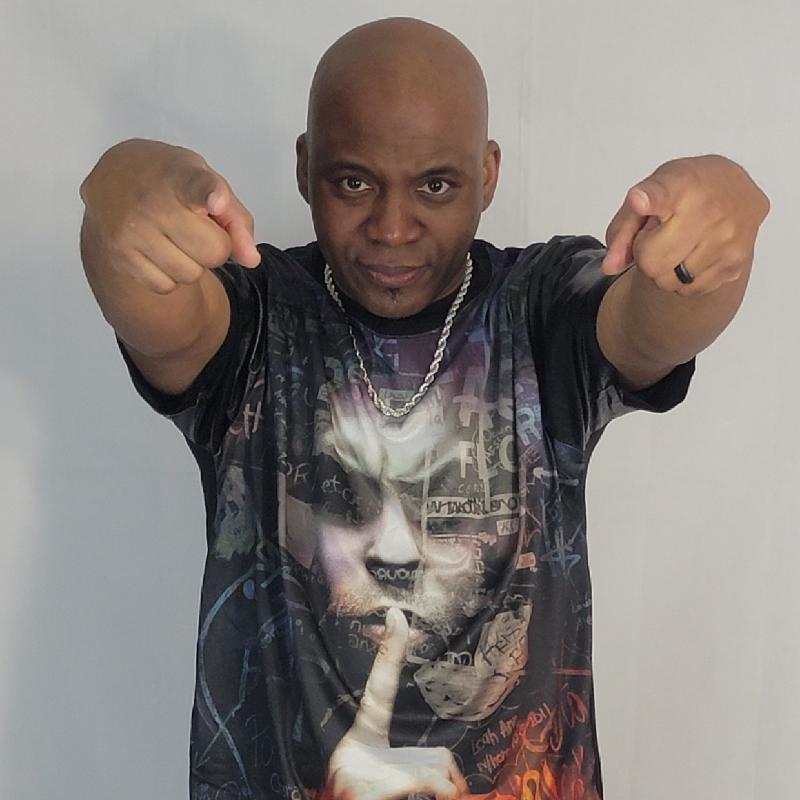
The R.O.C.’s Spotify BioShort for "raps on contact," the R.O.C. is the primary alias of Bryan Jones, aka Sol and Sol 46, a rapper and producer whose 1990s group House of Krazees was among the horrorcore acts out of Detroit. Throughout his career, Jones' approach has been less extreme than that of his average stylistic peer, typically aggressive to the point of being confrontational with considerably less-cartoonish imagery. During the '90s, Jones also teamed up with Big Father Hi-Top for the Esham-produced EP Rollin' with Strength (1992) and released a solo album, X-Posed (1996). In the 2000s, Jones collaborated with fellow House of Krazees member Skrapz as one-half of the duos Halfbreed and Level Jumpers, worked as the hype man for Blaze Ya Dead Homie, and continued his sporadic solo activity with a couple EPs and the album Oh Hell No! (2006). After an extended break from music, Jones returned in the 2010s with a flurry of featured appearances and short-form solo releases. Additionally, he and Blaze Ya Dead… Homie released Ride the Stars (2016) as Zodiac Mprint, which was followed by the third proper R.O.C. album, Digital Voodoo (2017). ~ Andy Kellman, Rovi
Viberate is a music analytics platform built for A&Rs, artist managers, labels, booking agents, marketers, and artists.
It helps music professionals track artist growth, analyze audience data, monitor playlist activity, compare artists, follow song performance, and identify opportunities across the music market.
Public artist pages provide a free preview of selected artist data. Paid plans provide access to deeper analytics, historical data, charts, comparisons, playlist tools, exports, alerts, reports, and additional professional features.
Yes. Public Viberate artist pages provide selected artist analytics and music data for free.
Viberate also offers a 7-day free trial of the full platform. A credit card is required to start the trial. The trial includes access to the complete product so users can test deeper artist analytics, historical views, playlist insights, comparisons, charts, exports, alerts, and reporting features before choosing a paid plan.
Viberate provides artist analytics across streaming, playlists, social media, video, radio airplay, songs, and audience markets.
Users can analyze Spotify performance, Spotify and Apple Music playlists, YouTube activity, TikTok and Instagram growth, radio spins, song performance, audience locations, demographics, rankings, and overall artist momentum.
Artist profiles also connect to music charts, similar artists, and comparison tools, helping users benchmark performance and evaluate artists in context.
Viberate updates key artist and track data daily.
For followed artists and tracks, selected data is refreshed multiple times per day. This helps teams monitor playlist changes, streaming movement, audience growth, releases, and campaign performance with more current data.
Update frequency can vary depending on the metric and data source.
Yes. Viberate lets users compare up to five artists side by side across streaming, social media, audience, and engagement metrics.
Users can compare fanbase growth, audience demographics, locations, Spotify performance, social metrics, and other artist data over selected time periods.
Artist comparison can be used for A&R scouting, benchmarking, booking decisions, campaign planning, and evaluating artists with similar audiences or market positions.