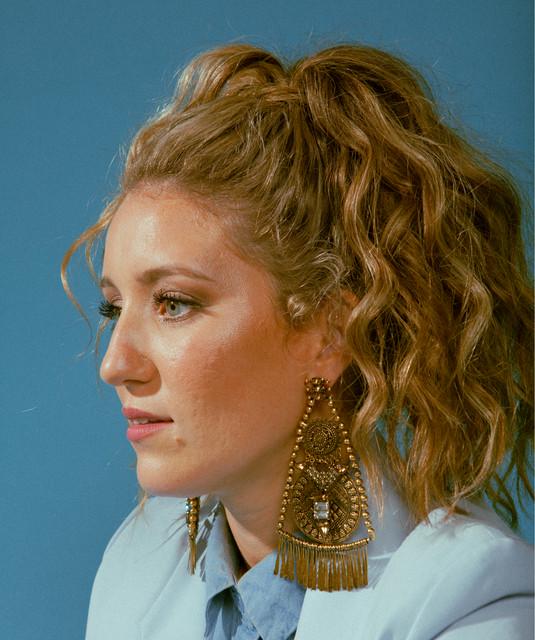
The Rivers

Rock
Indie Rock
Christian Music
 Viberate Rank: 720351
 Viberate Rank: 720351
 Monthly ListenersFollowers
 Subscribers
 Followers
 Followers
 FansTop Spotify Songs
| Track | 7-Day Streams | |
|---|---|---|
1 | 59 | |
2 | 31 | |
3 | 8 | |
4 | 6 | |
5 | 4 |
Top YouTube VideosMonthly ListenersFeatured in Playlists| Playlist | Followers | |
|---|---|---|
1 |  Praise and Worship 2026 a_guilmette | 50.17K |
2 |  CHRISTIAN ROCK BLUES @arena.musical | 3.01K |
3 |  Christian Rock | Worship Jesse Good | 2.28K |
4 |  studying with Jesus hannah.hassenfratz | 2.03K |
Audience| City | Monthly Listeners | |
|---|---|---|
1 |  | 9 |
2 | | 7 |
3 |  | 4 |
4 | | 4 |
5 |  | 4 |
See full performance history, audience data, playlist activity, rankings, comparisons, and more in Viberate music analytics. Start with a free trial, then continue with a paid plan.
The Rivers’ Spotify BioThe Rivers is comprised of Ella Porter (vocals), Ava Porter (vocals), and Stewart Fenters (vocals/guitar). In the fall of 2021, coming out of various seasons of hardship and creativity, the group started writing songs that were born from community, faith, and a desire to make music that helps people experience the goodness of God. The Rivers evolved out of a desire to do something unique stylistically and have some freedom creatively to explore. In doing so, they discovered a sound that is a mix of roots, soul, pop, and folk. If you were on a walk with Jesus and stumbled into a swamp, you’d find The Rivers.
The Rivers enlisted the help of producer and engineer Joel Willis to produce their debut EP, Come Down to the River. Throughout the EP, the group solidifies their signature tri-vocal sound and finds ways to present truth in a fresh way, while still remaining accessible. Catchy melodies, intricate vocal arrangements, and poignant lyrics are the definite features of the debut EP, where… the listener takes a musical and spiritual journey of experiencing God's closeness, faithfulness, and provision.
Viberate is a music analytics platform built for A&Rs, artist managers, labels, booking agents, marketers, and artists.
It helps music professionals track artist growth, analyze audience data, monitor playlist activity, compare artists, follow song performance, and identify opportunities across the music market.
Public artist pages provide a free preview of selected artist data. Paid plans provide access to deeper analytics, historical data, charts, comparisons, playlist tools, exports, alerts, reports, and additional professional features.
Yes. Public Viberate artist pages provide selected artist analytics and music data for free.
Viberate also offers a 7-day free trial of the full platform. A credit card is required to start the trial. The trial includes access to the complete product so users can test deeper artist analytics, historical views, playlist insights, comparisons, charts, exports, alerts, and reporting features before choosing a paid plan.
Viberate provides artist analytics across streaming, playlists, social media, video, radio airplay, songs, and audience markets.
Users can analyze Spotify performance, Spotify and Apple Music playlists, YouTube activity, TikTok and Instagram growth, radio spins, song performance, audience locations, demographics, rankings, and overall artist momentum.
Artist profiles also connect to music charts, similar artists, and comparison tools, helping users benchmark performance and evaluate artists in context.
Viberate updates key artist and track data daily.
For followed artists and tracks, selected data is refreshed multiple times per day. This helps teams monitor playlist changes, streaming movement, audience growth, releases, and campaign performance with more current data.
Update frequency can vary depending on the metric and data source.
Yes. Viberate lets users compare up to five artists side by side across streaming, social media, audience, and engagement metrics.
Users can compare fanbase growth, audience demographics, locations, Spotify performance, social metrics, and other artist data over selected time periods.
Artist comparison can be used for A&R scouting, benchmarking, booking decisions, campaign planning, and evaluating artists with similar audiences or market positions.