The Rhythm Shakers

Rock
Rockabilly
 Viberate Rank: 207678
 Viberate Rank: 207678
 Monthly ListenersFollowers
 Subscribers
 Followers
 Followers
 FansTop Spotify Songs
| Track | 7-Day Streams | |
|---|---|---|
1 | 2.31K | |
2 | 325 | |
3 | 284 | |
4 | 277 | |
5 | 275 |
Top YouTube VideosMonthly ListenersFeatured in Playlists| Playlist | Followers | |
|---|---|---|
1 |  Rockabilly Mania Spotify | 547.22K |
2 | Swing Music for Dancers jquinlanspotify | 14.57K |
3 |  THE BEST ROCKABILLY MIX 2026 MUTVNTES | 7.98K |
4 |  Rockabilly - Rock'n Roll - 50's - Rock a billy 🍻🤘 Rock’nWreck | 4.63K |
5 |  Rockabilly en Español and more. Ruud Valencia Alva | 2.19K |
Audience| City | Monthly Listeners | |
|---|---|---|
1 | | 203 |
2 |  | 149 |
3 |  | 94 |
4 |  | 94 |
5 |  | 92 |
See full performance history, audience data, playlist activity, rankings, comparisons, and more in Viberate music analytics. Start with a free trial, then continue with a paid plan.
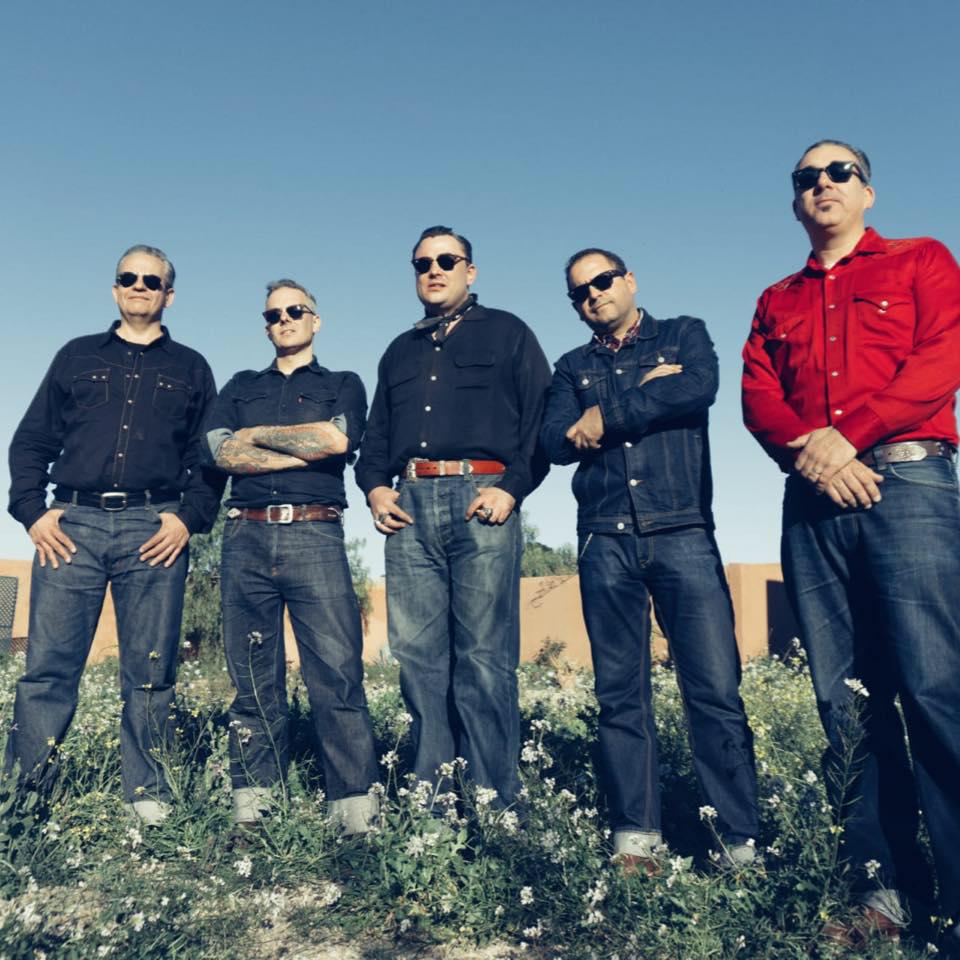
The Rhythm Shakers’ Spotify BioAs red hair is flailing and double bass pounding, Marlene Perez of the Rhythm Shakers closes out another show. Ripping wails and howling vocals are rocketed from her torso more reminiscent of Tina Turner and Amy Winehouse than the echo dripped hiccups of the 1950’s rock and roll genre the band exists within. The Rhythm Shakers are a late 50’s / early 60’s rock and roll band except for one major difference; they are very comfortable with living in the present.
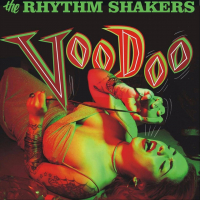
The band has traveled the world on this eclectic style of rock and roll playing concerts & festivals all over Europe, Australia, Japan, and the US. They’ve also worked with billboard pop artists such as Sam Sparro, Moneybrother, Nick Waterhouse while at the same time writing and releasing genre defining albums such as “Flipsville”, “Voodoo”, “Panic”.
The Rhythm Shakers at their core have the sound of a late 50’s / early 60’s rock and roll band while at the same time keeping their eyes widely up aimed at the most interesting sounds… of 60’s soul, blues and modern music. They’re highly sought after on festivals around the world because they aren’t afraid of making music that seeks to travel to new heights while still respecting the past. One must witness live the high temperature magic that exudes from L.A. clubs and European venues all the same to truly understand that The Rhythm Shakers are at the top of their game.
Viberate is a music analytics platform built for A&Rs, artist managers, labels, booking agents, marketers, and artists.
It helps music professionals track artist growth, analyze audience data, monitor playlist activity, compare artists, follow song performance, and identify opportunities across the music market.
Public artist pages provide a free preview of selected artist data. Paid plans provide access to deeper analytics, historical data, charts, comparisons, playlist tools, exports, alerts, reports, and additional professional features.
Yes. Public Viberate artist pages provide selected artist analytics and music data for free.
Viberate also offers a 7-day free trial of the full platform. A credit card is required to start the trial. The trial includes access to the complete product so users can test deeper artist analytics, historical views, playlist insights, comparisons, charts, exports, alerts, and reporting features before choosing a paid plan.
Viberate provides artist analytics across streaming, playlists, social media, video, radio airplay, songs, and audience markets.
Users can analyze Spotify performance, Spotify and Apple Music playlists, YouTube activity, TikTok and Instagram growth, radio spins, song performance, audience locations, demographics, rankings, and overall artist momentum.
Artist profiles also connect to music charts, similar artists, and comparison tools, helping users benchmark performance and evaluate artists in context.
Viberate updates key artist and track data daily.
For followed artists and tracks, selected data is refreshed multiple times per day. This helps teams monitor playlist changes, streaming movement, audience growth, releases, and campaign performance with more current data.
Update frequency can vary depending on the metric and data source.
Yes. Viberate lets users compare up to five artists side by side across streaming, social media, audience, and engagement metrics.
Users can compare fanbase growth, audience demographics, locations, Spotify performance, social metrics, and other artist data over selected time periods.
Artist comparison can be used for A&R scouting, benchmarking, booking decisions, campaign planning, and evaluating artists with similar audiences or market positions.