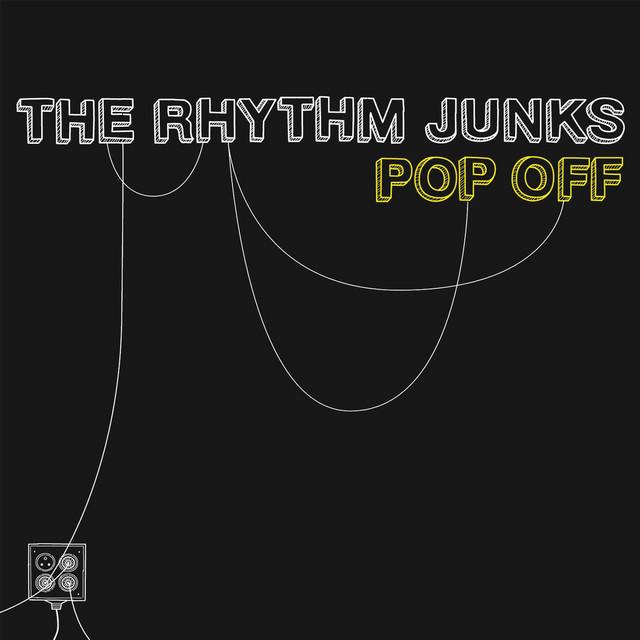
The Rhythm Junks

Rock
Alternative Rock
Acid Jazz
 Viberate Rank: 539770
 Viberate Rank: 539770
 Monthly ListenersFollowers
 Subscribers
 Followers
 Followers
 FansTop Spotify Songs
| Track | 7-Day Streams | |
|---|---|---|
1 | 78 | |
2 | 19 | |
3 | 8 | |
4 | 8 | |
5 | 6 |
Top YouTube VideosMonthly ListenersFeatured in Playlists| Playlist | Followers | |
|---|---|---|
1 |  Acid Jazz Funk Kris Leenaers | 17.33K |
2 |  Omnichord Songs antonisletrimis | 2.85K |
3 |  Harmonica Blues Stef Vossen | 1.67K |
4 |  Rond de Noordzee Hans van Veen | 1.11K |
5 | BARCOCOSOULFUNK Gerben van der Worp | 1.09K |
Audience| City | Monthly Listeners | |
|---|---|---|
1 | | 21 |
2 | | 19 |
3 | | 13 |
4 | | 8 |
5 | | 4 |
See full performance history, audience data, playlist activity, rankings, comparisons, and more in Viberate music analytics. Start with a free trial, then continue with a paid plan.
The Rhythm Junks’ Spotify BioBelgian big beat, blues, and funk combo the Rhythm Junks were formed in 2004 by singer and harmonica player Steven De bruyn and drummer Tony Gyselink. De bruyn had already enjoyed some local fame among blues enthusiasts as a member of a band called El Fish, but after recording two albums with the group he left to pursue his own projects. Planning to step away from a traditional guitar/bass/drums/singer band format, De bruyn itched to try something new -- why not leave the guitar out entirely or, perhaps, replace it with a brass section? Those types of questions led to the creation of the Rhythm Junks -- a freewheeling, anything-goes project, referring to itself as "an ideal band for Tom Waits' golden wedding." Originally the band was called VirusB23 (named after a special funky virus that made people dance), but soon De bruyn and Gyselink rechristened it the Rhythm Junks ("junks" being a verb here, as they insist), and used Virus B-23 as a title for the group's debut record, issued in… 2004. In order to perform their material live, De bruyn and Gyselink assembled a rather large cast of backing players, including a double bass player and a brass section of four, and eventually these players became full-time members. The second full-length by the Rhythm Junks, Pop Off, released in 2007, was recorded by a seven-piece band -- the two founding members were joined by Jasper Hautekeit (double bass, electric bass, and backing vocals), Walter Baeken (baritone, tenor, and soprano saxophones), Peter Verdonk (baritone and alto saxophones), Marie-Anne Standaert (trumpet and flügelhorn), and Yvez Fernandez-Solino (trumpet). ~ Sergey Mesenov, Rovi
Viberate is a music analytics platform built for A&Rs, artist managers, labels, booking agents, marketers, and artists.
It helps music professionals track artist growth, analyze audience data, monitor playlist activity, compare artists, follow song performance, and identify opportunities across the music market.
Public artist pages provide a free preview of selected artist data. Paid plans provide access to deeper analytics, historical data, charts, comparisons, playlist tools, exports, alerts, reports, and additional professional features.
Yes. Public Viberate artist pages provide selected artist analytics and music data for free.
Viberate also offers a 7-day free trial of the full platform. A credit card is required to start the trial. The trial includes access to the complete product so users can test deeper artist analytics, historical views, playlist insights, comparisons, charts, exports, alerts, and reporting features before choosing a paid plan.
Viberate provides artist analytics across streaming, playlists, social media, video, radio airplay, songs, and audience markets.
Users can analyze Spotify performance, Spotify and Apple Music playlists, YouTube activity, TikTok and Instagram growth, radio spins, song performance, audience locations, demographics, rankings, and overall artist momentum.
Artist profiles also connect to music charts, similar artists, and comparison tools, helping users benchmark performance and evaluate artists in context.
Viberate updates key artist and track data daily.
For followed artists and tracks, selected data is refreshed multiple times per day. This helps teams monitor playlist changes, streaming movement, audience growth, releases, and campaign performance with more current data.
Update frequency can vary depending on the metric and data source.
Yes. Viberate lets users compare up to five artists side by side across streaming, social media, audience, and engagement metrics.
Users can compare fanbase growth, audience demographics, locations, Spotify performance, social metrics, and other artist data over selected time periods.
Artist comparison can be used for A&R scouting, benchmarking, booking decisions, campaign planning, and evaluating artists with similar audiences or market positions.