The Range

Electronic
Downtempo
Other Electronic Music
Drum & Bass
 Viberate Rank: 146107
 Viberate Rank: 146107
 Monthly ListenersFollowers
 Subscribers
 Followers
 Followers
 FansTop Spotify Songs
| Track | 7-Day Streams | |
|---|---|---|
1 | 4.45K | |
2 | 3.25K | |
3 | 994 | |
4 | 681 | |
5 | 594 |
Top YouTube VideosMonthly ListenersFeatured in Playlists| Playlist | Followers | |
|---|---|---|
1 |  Élite - The Soundtrack Spotify | 318.58K |
2 |  Daily Favs - Fynn Kliemanns wichtigste Musik Fynn Kliemann | 96.13K |
3 | Trip Hop // Beats Lapgan | 67.29K |
4 |  Headphone Selections by RÜFÜS DU SOL RÜFÜS | 60.27K |
5 |  my late night jam 🌙 Petit Biscuit | 51.31K |
Audience| City | Monthly Listeners | |
|---|---|---|
1 |  | 1.08K |
2 |  | 699 |
3 | | 626 |
4 | | 622 |
5 | | 610 |
See full performance history, audience data, playlist activity, rankings, comparisons, and more in Viberate music analytics. Start with a free trial, then continue with a paid plan.
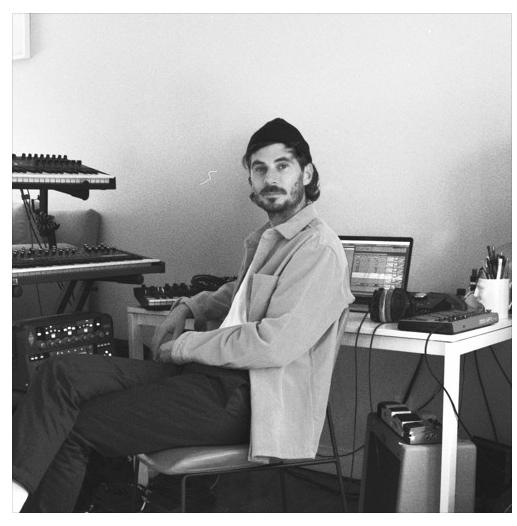
The Range’s Spotify BioBearing no relation or resemblance to Bruce Hornsby's similarly titled backing band, the Range is the recording alias of James Hinton, an electronic music producer from Providence, Rhode Island. Hinton's music typically utilizes manipulated vocal samples found on YouTube as well as from hip-hop, R&B, or dancehall reggae. He combines these samples with bright, sentimental melodies and simmering beats that reference jungle and footwork, playing with a slow/fast dynamic. His tracks have enough bass to work in a club, but they seem far more geared toward lonely late-night introspection. First gaining attention with his 2013 full-length debut Nonfiction, he signed to Domino and released Potential in 2016, and returned with the vivid Mercury in 2022.
Inspired by electronic artists such as Squarepusher and Four Tet as well as the Baltimore club and U.K. grime scenes, Hinton originally began making music under the name Stegosaurus, self-releasing an album called Cower in 2010. He adopted his… new moniker soon after, and the Range's first EP, The Big Dip, appeared on Brooklyn label Astro Nautico in late 2011. Hinton also remixed tracks by labelmates Kuhn, Howse, and Time Wharp, as well as downtempo/hip-hop producer Supreme Cuts. In 2012, the Range signed to Brighton, U.K. label Donky Pitch, who issued his disk EP in July, followed by Seneca in April of 2013. The Range's full-length debut, Nonfiction, was co-released by Donky Pitch and Project: Mooncircle in October, and immediately received critical acclaim, appearing on Pitchfork's year-end Top 50 Albums list.
A new EP titled Panasonic quickly followed in March of 2014, and the Range remixed songs by Mansionair and How to Dress Well. By the end of the year, the Range collaborated with vocalist Niia for an EP titled Breaking. Following a move to Brooklyn, Hinton signed to Domino and released his sophomore album, Potential, in March of 2016. The following year, Hinton issued the singles "New Lots" and "With You," which both found their way onto his Remixes EP, which featured interpretations by Yaeji, D.K., and Kenton Slash Demon. Providence, an EP of previously unreleased tracks recorded around the time of the Range's first album, appeared in 2019. Hinton collaborated with Tourist on the 2020 single "Last." The producer drew from IDM, rave, and grime influences on third album Mercury, which arrived in 2022. ~ Paul Simpson, Rovi
Viberate is a music analytics platform built for A&Rs, artist managers, labels, booking agents, marketers, and artists.
It helps music professionals track artist growth, analyze audience data, monitor playlist activity, compare artists, follow song performance, and identify opportunities across the music market.
Public artist pages provide a free preview of selected artist data. Paid plans provide access to deeper analytics, historical data, charts, comparisons, playlist tools, exports, alerts, reports, and additional professional features.
Yes. Public Viberate artist pages provide selected artist analytics and music data for free.
Viberate also offers a 7-day free trial of the full platform. A credit card is required to start the trial. The trial includes access to the complete product so users can test deeper artist analytics, historical views, playlist insights, comparisons, charts, exports, alerts, and reporting features before choosing a paid plan.
Viberate provides artist analytics across streaming, playlists, social media, video, radio airplay, songs, and audience markets.
Users can analyze Spotify performance, Spotify and Apple Music playlists, YouTube activity, TikTok and Instagram growth, radio spins, song performance, audience locations, demographics, rankings, and overall artist momentum.
Artist profiles also connect to music charts, similar artists, and comparison tools, helping users benchmark performance and evaluate artists in context.
Viberate updates key artist and track data daily.
For followed artists and tracks, selected data is refreshed multiple times per day. This helps teams monitor playlist changes, streaming movement, audience growth, releases, and campaign performance with more current data.
Update frequency can vary depending on the metric and data source.
Yes. Viberate lets users compare up to five artists side by side across streaming, social media, audience, and engagement metrics.
Users can compare fanbase growth, audience demographics, locations, Spotify performance, social metrics, and other artist data over selected time periods.
Artist comparison can be used for A&R scouting, benchmarking, booking decisions, campaign planning, and evaluating artists with similar audiences or market positions.