The Rainmakers

Rock
Alternative Rock
Folk Rock
 Viberate Rank: 265089
 Viberate Rank: 265089
 Monthly ListenersFollowers
 Subscribers
 Followers
 Followers
 FansTop Spotify Songs
| Track | 7-Day Streams | |
|---|---|---|
1 | 1.37K | |
2 | 625 | |
3 | 481 | |
4 | 222 | |
5 | 214 |
Top YouTube Videos| Video | 7-Day Views | |
|---|---|---|
1 | 95 |
Monthly ListenersFeatured in Playlists| Playlist | Followers | |
|---|---|---|
1 |  Ekdom's Platenkast Gerard Ekdom | 16.15K |
2 |  Bar Music 2026 rupert72 | 12.37K |
3 | 120 Minutes full Archive frankspin | 7.87K |
4 |  One Hit Wonders Of The 80’s Jamie Hetherington | 6.63K |
5 | Dag -musikk fra serien med Atle Antonsen Christian Stensrud Larsen | 6.36K |
Audience| City | Monthly Listeners | |
|---|---|---|
1 |  | 517 |
2 | | 255 |
3 |  | 151 |
4 | | 110 |
5 | | 90 |
See full performance history, audience data, playlist activity, rankings, comparisons, and more in Viberate music analytics. Start with a free trial, then continue with a paid plan.
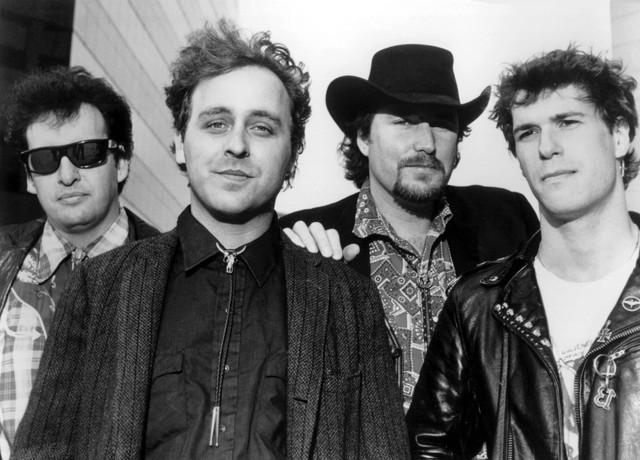
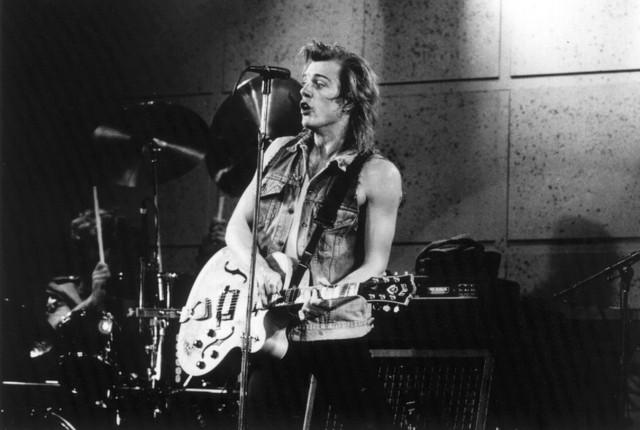
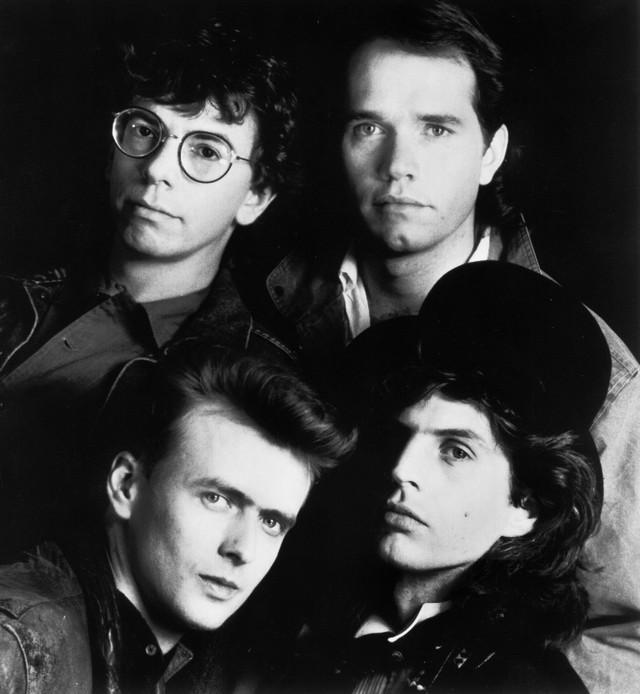
The Rainmakers’ Spotify BioPrototypical Midwestern roots-rockers, the Rainmakers ironically achieved their greatest commercial success overseas, despite generally good reviews in their homeland. Chief songwriter Bob Walkenhorst's playful wit and topical lyrics set the Rainmakers apart from their Heartland bar band peers, though musically they drew from the expected roots rock influences (Chuck Berry, Creedence Clearwater Revival, Bruce Springsteen, etc.). The band was originally formed in 1983 in Kansas City, MO, as a trio called Steve, Bob, and Rich; naturally, the lineup consisted of guitarist/vocalist Steve Phillips, guitarist/vocalist Bob Walkenhorst, and bassist Rich Ruth. This group recorded an independently released album (titled Balls) that helped get them signed to Polygram, upon which point they added drummer Pat Tomek and changed their name to the less specific Rainmakers. Their self-titled official debut was released in 1986, producing the British Top 20 hit "Let My People Go-Go" and quite a bit of… good press both at home and abroad. The band embarked on a relentless touring schedule and found an unlikely fan in horror writer Stephen King, who quoted the band's lyrics in two of his books. The 1988 follow-up Tornado didn't attract as much critical attention in the U.S., but the Rainmakers' European audience continued to grow; by the time of 1989's The Good News and the Bad News, the band was concentrating mostly on that area, recording the concert album Oslo-Wichita Live solely for its Scandinavian fans. In 1990, tired of the road life, the Rainmakers disbanded, ostensibly for good. However, Scandinavian interest in their music held strong, and Polygram's Norwegian division requested a new Rainmakers album in 1994. The band obliged and recorded Flirting With the Universe on their own in Steve Phillips' basement. The album was a smash in Norway, achieving that country's equivalent of gold sales within two months, and the band was encouraged enough to stage a full-fledged reunion. They signed with the independent Kansas label V&R, and Walkenhorst wrote a concept album about pornography and its effects on human sexuality. Ruth left the band during the recording sessions, with accounts divided as to whether it was due to the lyrical content or the fact that he had moved from Kansas City to Nashville; regardless, he was replaced by Michael Bliss. The resulting album, Skin, was released in 1996 to mostly good reviews. ~ Steve Huey, Rovi
Viberate is a music analytics platform built for A&Rs, artist managers, labels, booking agents, marketers, and artists.
It helps music professionals track artist growth, analyze audience data, monitor playlist activity, compare artists, follow song performance, and identify opportunities across the music market.
Public artist pages provide a free preview of selected artist data. Paid plans provide access to deeper analytics, historical data, charts, comparisons, playlist tools, exports, alerts, reports, and additional professional features.
Yes. Public Viberate artist pages provide selected artist analytics and music data for free.
Viberate also offers a 7-day free trial of the full platform. A credit card is required to start the trial. The trial includes access to the complete product so users can test deeper artist analytics, historical views, playlist insights, comparisons, charts, exports, alerts, and reporting features before choosing a paid plan.
Viberate provides artist analytics across streaming, playlists, social media, video, radio airplay, songs, and audience markets.
Users can analyze Spotify performance, Spotify and Apple Music playlists, YouTube activity, TikTok and Instagram growth, radio spins, song performance, audience locations, demographics, rankings, and overall artist momentum.
Artist profiles also connect to music charts, similar artists, and comparison tools, helping users benchmark performance and evaluate artists in context.
Viberate updates key artist and track data daily.
For followed artists and tracks, selected data is refreshed multiple times per day. This helps teams monitor playlist changes, streaming movement, audience growth, releases, and campaign performance with more current data.
Update frequency can vary depending on the metric and data source.
Yes. Viberate lets users compare up to five artists side by side across streaming, social media, audience, and engagement metrics.
Users can compare fanbase growth, audience demographics, locations, Spotify performance, social metrics, and other artist data over selected time periods.
Artist comparison can be used for A&R scouting, benchmarking, booking decisions, campaign planning, and evaluating artists with similar audiences or market positions.