The Quill

Metal
Heavy Metal
Stoner Rock
 Viberate Rank: 211942
 Viberate Rank: 211942
 Monthly ListenersFollowers
 Subscribers
 Followers
 Followers
 FansTop Spotify Songs
| Track | 7-Day Streams | |
|---|---|---|
1 | 214 | |
2 | 146 | |
3 | 138 | |
4 | 92 | |
5 | 79 |
Top YouTube VideosMonthly ListenersFeatured in Playlists| Playlist | Followers | |
|---|---|---|
1 |  Stoner Rock A-Z boogievan | 24.16K |
2 |  New Rock & Metal 2026 - Rocknytt Rocknytt | 6.20K |
3 | Stoner Rock/Stoner Metal/Heavy Psych/Occult (old vs new) ragazzo-gr | 5.34K |
4 |  Sweden Rock Festival 5-8 June 2019 Sweden Rock Festival | 3.99K |
5 |  Sweden Rock Festival June 6-9 2018 Sweden Rock Festival | 3.55K |
Audience| City | Monthly Listeners | |
|---|---|---|
1 | | 402 |
2 | | 237 |
3 |  | 148 |
4 |  | 142 |
5 |  | 128 |
See full performance history, audience data, playlist activity, rankings, comparisons, and more in Viberate music analytics. Start with a free trial, then continue with a paid plan.
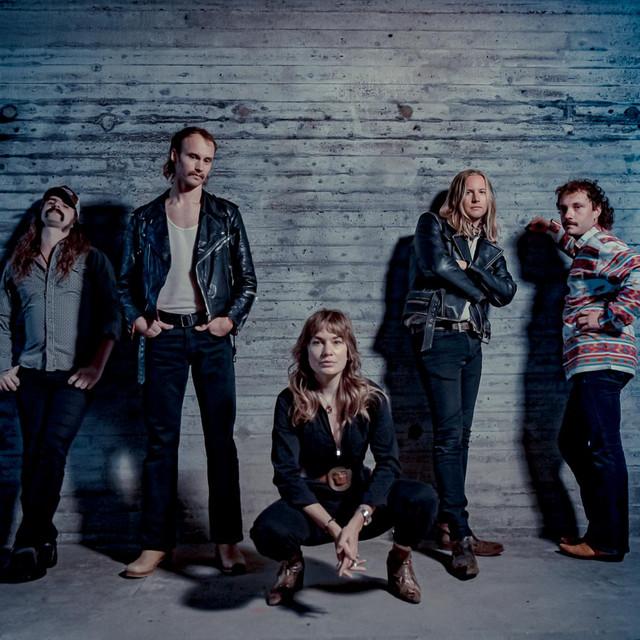
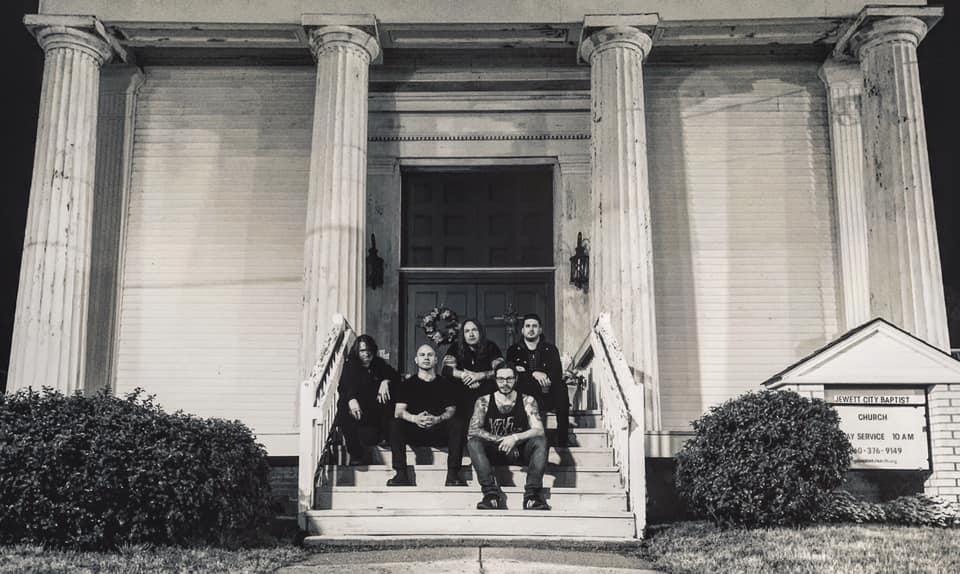
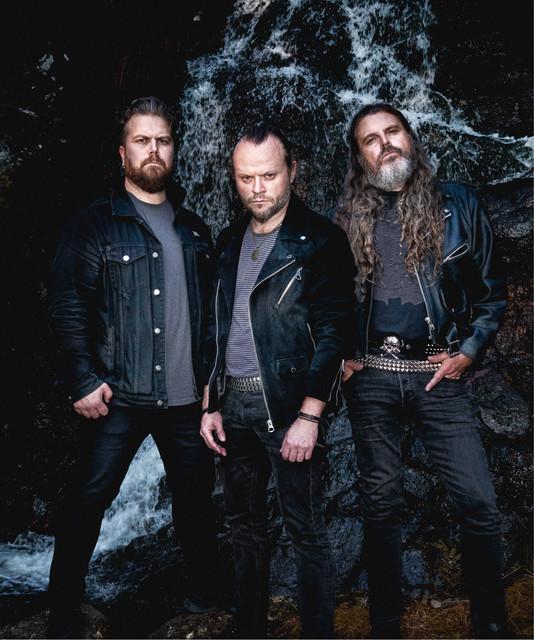
The Quill’s Spotify BioThe Quill are a Swedish hard rock/ stoner metal band who formed in 1992 and spent years quietly making a name for themselves. The group released its 1997 eponymous debut album. Their sophomore album, 1999's Silver Haze, was written in a month and recorded in two weeks. 2002's Voodoo Caravan received global accolades, while 2004's Hooray! It's a Deathtrip drew press comparisons to UFO, Dio and Rainbow. In Triumph appeared in 2006, and followed five years later by 2011's Full Circle and Tiger Blood in 2013. Following tours of Europe and North America, they returtned to the studio and issued Born From Fire in 2017. The band recruited Dreadful Fate's Fredrik Karlén to play keyboards on 2021's Earthrise, and returned to recording as a quartet for 2024's Wheel of Illusion.
Following an inauspicious start in the coastal town of Mönsterås in 1990, the bandwere formally founded in 1992. Original members included singer Magnus Ekwall, guitarist Christian Carlsson, organist Anders Haglund, bassist… Peter Holm (replaced the following year by Roger Nilsson), and drummer Jolle Atlagic. The Quill released its eponymous debut album in March 1995 to positive reviews, embarked on a tour with Abstrakt Algebra, followed by numerous Swedish festival performances. Organist Haglund was dispensed with at tour's end, and the Quill carried on as a quartet, but not without incident. Problems with their label delayed the release of their 1999 sophomore album, Silver Haze, for almost two years.
Luckily for the Quill, sporadic touring and another strong set of tunes helped maintain forward momentum, and a new deal with SPV paved the way for a consistent flow of excellent albums -- ever in the stoner rock mold -- in 2002's Voodoo Caravan, while 2003's Hooray! It's a Deathtrip drew critical comparisons to UFO, Dio and Rainbow, then supported by European tour alongside Monster Magnet and Gluecifer. The response to 2006's In Triumph extended their fan base to North America and Canada in particular.
Internal strife had already resulted in the band losing bass player Nilsson in 2005; he was replaced by Robert Triches. The Quill then parted ways with founding vocalist Ekwall in 2007, and had to start sharing their drummer Atlagic with Hanoi Rocks in 2008.
After taking time off to reflect and recharge, Carlsson, Atlagic, and Triches recruited a new frontman in former Ground Mower and Sol 78 singer Magnus Arnar, who fronted the band on their sixth studio album, 2011's Full Circle. The critically acclaimed Tiger Blood was released during the middle of a tour in 2013. 2017's Born from Fire marked the return of vocalist Ekwall to the lineup. Following another tour -- audiences greeted the return of Ekwall with thunderous approval -- they were sidelined by the pandemic.
The band returned to the studio with a wealth of new material and released Earthrise in 2021, with guest Frederic Karlén (Dreadful Fate) on Mellotron. In 2022, they released Live, New, Borrowed, Blue, a live compilation that included new and catalog material plus covers of tunes by Aerosmith, Iron Maiden, November, and Captain Beyond. The Quill -- with Karlén -- returned to the studio in late 2023 and emerged with Wheel of Illusion in March 2024. ~ Eduardo Rivadavia, Rovi
Viberate is a music analytics platform built for A&Rs, artist managers, labels, booking agents, marketers, and artists.
It helps music professionals track artist growth, analyze audience data, monitor playlist activity, compare artists, follow song performance, and identify opportunities across the music market.
Public artist pages provide a free preview of selected artist data. Paid plans provide access to deeper analytics, historical data, charts, comparisons, playlist tools, exports, alerts, reports, and additional professional features.
Yes. Public Viberate artist pages provide selected artist analytics and music data for free.
Viberate also offers a 7-day free trial of the full platform. A credit card is required to start the trial. The trial includes access to the complete product so users can test deeper artist analytics, historical views, playlist insights, comparisons, charts, exports, alerts, and reporting features before choosing a paid plan.
Viberate provides artist analytics across streaming, playlists, social media, video, radio airplay, songs, and audience markets.
Users can analyze Spotify performance, Spotify and Apple Music playlists, YouTube activity, TikTok and Instagram growth, radio spins, song performance, audience locations, demographics, rankings, and overall artist momentum.
Artist profiles also connect to music charts, similar artists, and comparison tools, helping users benchmark performance and evaluate artists in context.
Viberate updates key artist and track data daily.
For followed artists and tracks, selected data is refreshed multiple times per day. This helps teams monitor playlist changes, streaming movement, audience growth, releases, and campaign performance with more current data.
Update frequency can vary depending on the metric and data source.
Yes. Viberate lets users compare up to five artists side by side across streaming, social media, audience, and engagement metrics.
Users can compare fanbase growth, audience demographics, locations, Spotify performance, social metrics, and other artist data over selected time periods.
Artist comparison can be used for A&R scouting, benchmarking, booking decisions, campaign planning, and evaluating artists with similar audiences or market positions.