The Push Stars

Rock
Pop Rock
Alternative Rock
 Viberate Rank: 298272
 Viberate Rank: 298272
 Monthly ListenersFollowers
 Subscribers
 Followers
 Followers
 FansTop Spotify Songs
| Track | 7-Day Streams | |
|---|---|---|
1 | 1.90K | |
2 | 882 | |
3 | 594 | |
4 | 389 | |
5 | 212 |
Top YouTube VideosMonthly ListenersFeatured in Playlists| Playlist | Followers | |
|---|---|---|
1 |  The Devil Wears Prada Soundtrack Larissa Francez | 92.64K |
2 | Millenial Radio (90’s & 2000’s Hits) xxel_shanoxx | 75.85K |
3 |  90s kidz Nameless James | 45.56K |
4 |  Malcolm in the Middle - Complete Soundtrack Andy | 26.63K |
5 | Funeral Songs to Celebrate Life funeralOne | 18.28K |
Audience| City | Monthly Listeners | |
|---|---|---|
1 | | 180 |
2 | | 176 |
3 | | 136 |
4 | | 120 |
5 |  | 119 |
See full performance history, audience data, playlist activity, rankings, comparisons, and more in Viberate music analytics. Start with a free trial, then continue with a paid plan.
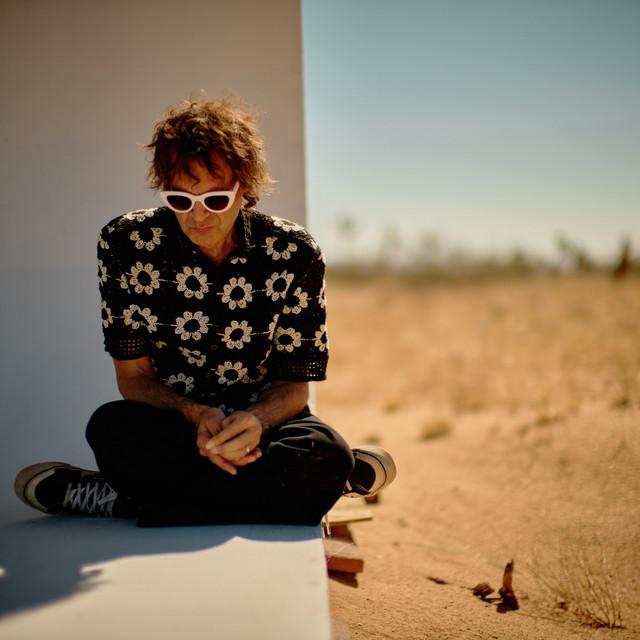
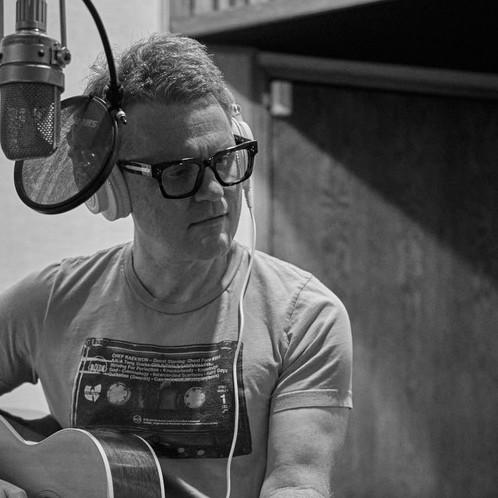
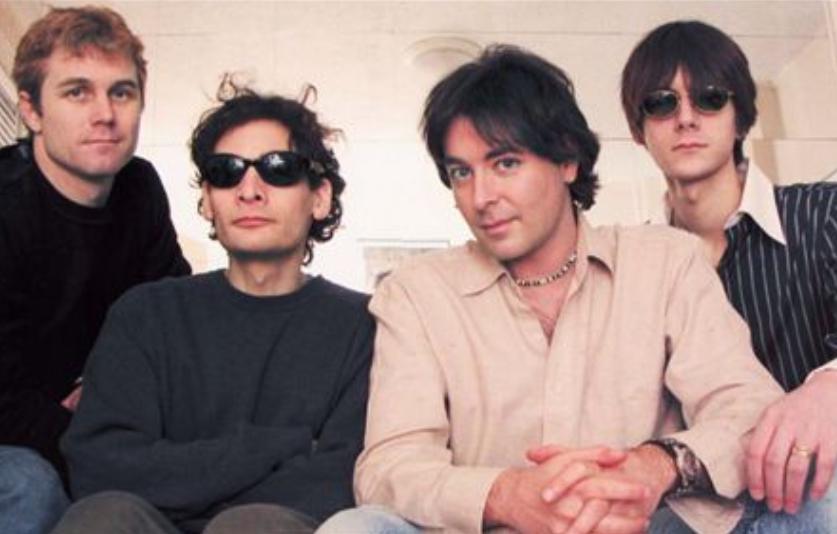
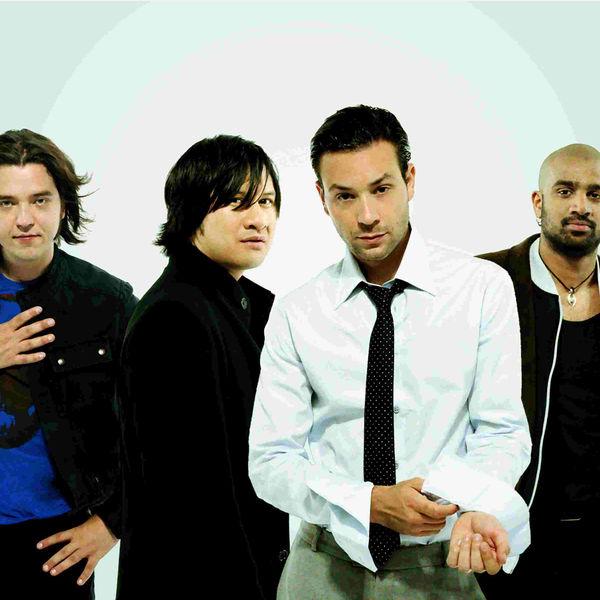
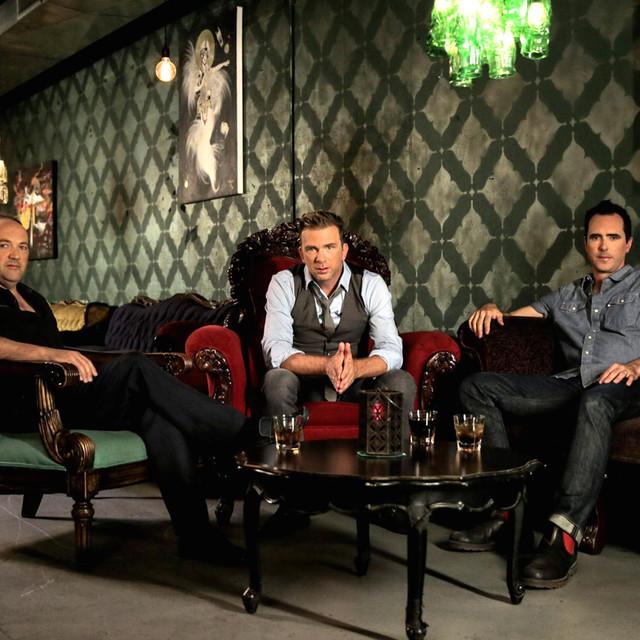
The Push Stars’ Spotify BioBoston alternative popsters the Push Stars are led by songwriter/vocalist/guitarist Chris Trapper, with bassist/keyboardist Dan McLoughlin and drummer Ryan MacMillan rounding out the lineup. The band debuted in 1996 with an album for the now-defunct Imago label, Meet Me at the Fair; from there, they self-released the 1997 EP Tonight and landed a spot on the soundtrack for the popular romantic comedy There's Something About Mary with the song "Everything Shines." As the buzz grew on the band, Capitol signed them up, issuing their major-label debut album After the Party in 1999. Opening Time followed in spring 2001. As each member of the band approached 30, the Push Stars took complete creative control. They signed to the San Francisco imprint 33rd Street and joined producer/engineer Greg Collins (No Doubt, Matchbox Twenty, Jewel in spring 2003 to begin recording The Push Stars' fourth album. Matchbox Twenty's Rob Thomas heard the band's work in progress and was so impressed with it, he… brought the Push Stars on the road for Matchbox Twenty's fall tour of North America. In March 2004, the band released Paint The Town. ~ Steve Huey, Rovi
Viberate is a music analytics platform built for A&Rs, artist managers, labels, booking agents, marketers, and artists.
It helps music professionals track artist growth, analyze audience data, monitor playlist activity, compare artists, follow song performance, and identify opportunities across the music market.
Public artist pages provide a free preview of selected artist data. Paid plans provide access to deeper analytics, historical data, charts, comparisons, playlist tools, exports, alerts, reports, and additional professional features.
Yes. Public Viberate artist pages provide selected artist analytics and music data for free.
Viberate also offers a 7-day free trial of the full platform. A credit card is required to start the trial. The trial includes access to the complete product so users can test deeper artist analytics, historical views, playlist insights, comparisons, charts, exports, alerts, and reporting features before choosing a paid plan.
Viberate provides artist analytics across streaming, playlists, social media, video, radio airplay, songs, and audience markets.
Users can analyze Spotify performance, Spotify and Apple Music playlists, YouTube activity, TikTok and Instagram growth, radio spins, song performance, audience locations, demographics, rankings, and overall artist momentum.
Artist profiles also connect to music charts, similar artists, and comparison tools, helping users benchmark performance and evaluate artists in context.
Viberate updates key artist and track data daily.
For followed artists and tracks, selected data is refreshed multiple times per day. This helps teams monitor playlist changes, streaming movement, audience growth, releases, and campaign performance with more current data.
Update frequency can vary depending on the metric and data source.
Yes. Viberate lets users compare up to five artists side by side across streaming, social media, audience, and engagement metrics.
Users can compare fanbase growth, audience demographics, locations, Spotify performance, social metrics, and other artist data over selected time periods.
Artist comparison can be used for A&R scouting, benchmarking, booking decisions, campaign planning, and evaluating artists with similar audiences or market positions.