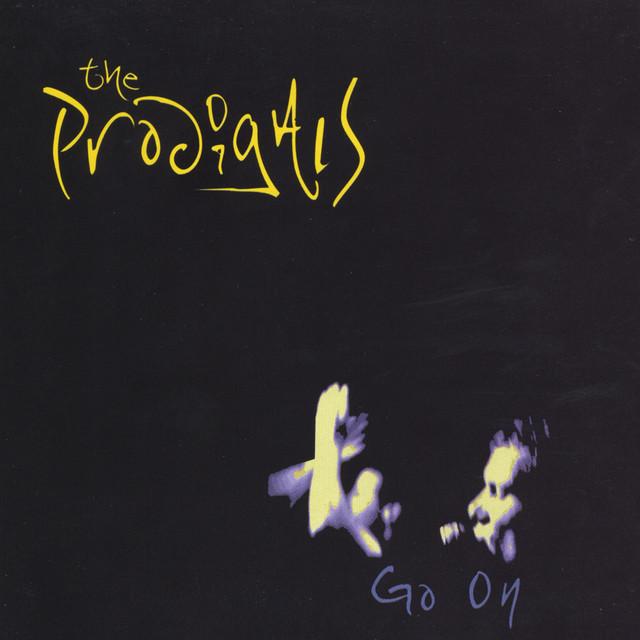
The Prodigals

Punk
Punk Rock
Folk Rock
 Viberate Rank: 353083
 Viberate Rank: 353083
 Monthly ListenersFollowers
 Subscribers
 Followers
 Followers
 FansTop Spotify Songs
| Track | 7-Day Streams | |
|---|---|---|
1 | 307 | |
2 | 307 | |
3 | 134 | |
4 | 116 | |
5 | 64 |
Top YouTube VideosMonthly ListenersFeatured in Playlists| Playlist | Followers | |
|---|---|---|
1 | Irish Rock Charles Corbett | 30.51K |
2 |  TROJAN RECORDS ELÍAS MARTÍN-RETORTILLO C. | 9.20K |
3 |  The Punisher Soundtrack | Netflix Original shy_guy | 6.43K |
4 | Ireland Folk & Pub Patrik Pettersson Blank | 2.96K |
5 | Rare Doo Wops rpena207 | 2.94K |
Audience| City | Monthly Listeners | |
|---|---|---|
1 | | 35 |
2 | | 34 |
3 | | 21 |
4 | | 21 |
5 | | 20 |
See full performance history, audience data, playlist activity, rankings, comparisons, and more in Viberate music analytics. Start with a free trial, then continue with a paid plan.
The Prodigals’ Spotify BioBased in New York, this Irish/American group should not be confused with Mike Garden's Scottish outfit bearing the same name although they share styles. This band has obvious traditional influences coupled with strong punk and drum'n'bass references. The accordion playing style of Gregory Grene resembles that of John Whelan and is the Prodigals' lead instrument. Grene's expertise on accordion and his understanding of Irish music elevates the group as one of the premier Celtic rock bands leading into the 21st century. Their rhythm section of Andew Harkin (bass) and Brian Tracey (drums) is one of the most powerful and pulsating within the genre, adding an element of uniqueness to their sound. Their first album was a self-titled independent 1997 release when the band was a quintet. Guitarist Sean McCabe and harmonica/fiddle player Alex Tobias departed after that debut album and were replaced by guitarist Ray Kelly whose gruff lead vocals added a more aggressive element to their music.… Their second release, Go on, from 1999 features the foursome of Grene, Harkin, Tracey, and Kelly. ~ Dave Sleger, Rovi
Viberate is a music analytics platform built for A&Rs, artist managers, labels, booking agents, marketers, and artists.
It helps music professionals track artist growth, analyze audience data, monitor playlist activity, compare artists, follow song performance, and identify opportunities across the music market.
Public artist pages provide a free preview of selected artist data. Paid plans provide access to deeper analytics, historical data, charts, comparisons, playlist tools, exports, alerts, reports, and additional professional features.
Yes. Public Viberate artist pages provide selected artist analytics and music data for free.
Viberate also offers a 7-day free trial of the full platform. A credit card is required to start the trial. The trial includes access to the complete product so users can test deeper artist analytics, historical views, playlist insights, comparisons, charts, exports, alerts, and reporting features before choosing a paid plan.
Viberate provides artist analytics across streaming, playlists, social media, video, radio airplay, songs, and audience markets.
Users can analyze Spotify performance, Spotify and Apple Music playlists, YouTube activity, TikTok and Instagram growth, radio spins, song performance, audience locations, demographics, rankings, and overall artist momentum.
Artist profiles also connect to music charts, similar artists, and comparison tools, helping users benchmark performance and evaluate artists in context.
Viberate updates key artist and track data daily.
For followed artists and tracks, selected data is refreshed multiple times per day. This helps teams monitor playlist changes, streaming movement, audience growth, releases, and campaign performance with more current data.
Update frequency can vary depending on the metric and data source.
Yes. Viberate lets users compare up to five artists side by side across streaming, social media, audience, and engagement metrics.
Users can compare fanbase growth, audience demographics, locations, Spotify performance, social metrics, and other artist data over selected time periods.
Artist comparison can be used for A&R scouting, benchmarking, booking decisions, campaign planning, and evaluating artists with similar audiences or market positions.