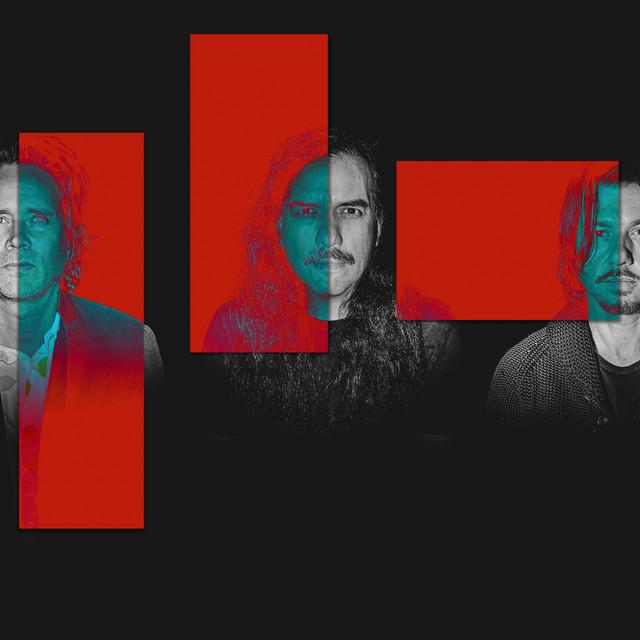
The Polyphonic Spree

Pop
Indie Pop
Alternative Rock
Choral
 Viberate Rank: 89371
 Viberate Rank: 89371
 Monthly ListenersFollowers
 Subscribers
 Followers
 Followers
 FansTop Spotify Songs
| Track | 7-Day Streams | |
|---|---|---|
1 | 11.15K | |
2 | 11.15K | |
3 | 6.97K | |
4 | 6.36K | |
5 | 3.91K |
Top YouTube Videos| Video | 7-Day Views | |
|---|---|---|
1 | 187 | |
2 | 185 | |
3 | 165 | |
4 | 131 | |
5 | 95 |
Monthly ListenersFeatured in Playlists| Playlist | Followers | |
|---|---|---|
1 |  quackity quackity | 106.09K |
2 |  Scrubs - All Songs Leo Otto | 80.96K |
3 |  Scrubs Hampus Hjellström | 58.83K |
4 |  90s kidz Nameless James | 45.56K |
5 | Mi casa es la tuya ÓscarGonzález | 43.74K |
Audience| City | Monthly Listeners | |
|---|---|---|
1 |  | 2.38K |
2 |  | 1.34K |
3 | | 1.27K |
4 | | 1.17K |
5 | | 1.14K |
See full performance history, audience data, playlist activity, rankings, comparisons, and more in Viberate music analytics. Start with a free trial, then continue with a paid plan.
The Polyphonic Spree’s Spotify BioThe Polyphonic Spree is synonymous with rebirth. Led by Tim DeLaughter, the group’s vision and sound have constantly evolved. Following a period of heartbreak and uncertainty as Tripping Daisy fell apart in 2000, Tim started over again. Accompanied by 23 musicians draped in robes, he introduced The Polyphonic Spree with the now-classic 2002 debut, The Beginning Stages of… The signature “Light & Day/Reach for the Sun” has surged through popular culture for over two decades. Delivering rapturous live experiences at countless festivals and on numerous late-night television shows, they also notably graced the stage at the Nobel Peace Prize Concert and opened an entire tour for the late David Bowie. Beyond Tim scoring Thumbsucker by filmmaker Mike Mills, the band contributed a cover of Nirvana’s “Lithium” to the Academy® Award-winning The Big Short. Along the way, they entranced listeners with the likes of Together We’re Heavy [2004], The Fragile Army [2007], Yes It’s True [2013], and… Psychphonic [2014]. In the wake of the 2021 covers LP Afflatus, Dallas Morning News proclaimed, “The Spree Remains one of the more beloved names in the Texas rock landscape.” The Polyphonic Spree has quietly made an indelible impact upon culture since the turn-of-the-century. As the years pass, this impact has only magnified. In 2023, they embark on a new journey, Salvage Enterprise.
Viberate is a music analytics platform built for A&Rs, artist managers, labels, booking agents, marketers, and artists.
It helps music professionals track artist growth, analyze audience data, monitor playlist activity, compare artists, follow song performance, and identify opportunities across the music market.
Public artist pages provide a free preview of selected artist data. Paid plans provide access to deeper analytics, historical data, charts, comparisons, playlist tools, exports, alerts, reports, and additional professional features.
Yes. Public Viberate artist pages provide selected artist analytics and music data for free.
Viberate also offers a 7-day free trial of the full platform. A credit card is required to start the trial. The trial includes access to the complete product so users can test deeper artist analytics, historical views, playlist insights, comparisons, charts, exports, alerts, and reporting features before choosing a paid plan.
Viberate provides artist analytics across streaming, playlists, social media, video, radio airplay, songs, and audience markets.
Users can analyze Spotify performance, Spotify and Apple Music playlists, YouTube activity, TikTok and Instagram growth, radio spins, song performance, audience locations, demographics, rankings, and overall artist momentum.
Artist profiles also connect to music charts, similar artists, and comparison tools, helping users benchmark performance and evaluate artists in context.
Viberate updates key artist and track data daily.
For followed artists and tracks, selected data is refreshed multiple times per day. This helps teams monitor playlist changes, streaming movement, audience growth, releases, and campaign performance with more current data.
Update frequency can vary depending on the metric and data source.
Yes. Viberate lets users compare up to five artists side by side across streaming, social media, audience, and engagement metrics.
Users can compare fanbase growth, audience demographics, locations, Spotify performance, social metrics, and other artist data over selected time periods.
Artist comparison can be used for A&R scouting, benchmarking, booking decisions, campaign planning, and evaluating artists with similar audiences or market positions.