The Playtones

Rock
Rockabilly
Pop Rock
 Viberate Rank: 172232
 Viberate Rank: 172232
 Monthly ListenersFollowers
 Subscribers
 Followers
 Followers
 FansTop Spotify Songs
| Track | 7-Day Streams | |
|---|---|---|
1 | 3.77K | |
2 | 3.62K | |
3 | 3.02K | |
4 | 3.02K | |
5 | 2.58K |
Top YouTube VideosMonthly ListenersFeatured in Playlists| Playlist | Followers | |
|---|---|---|
1 |  Rockabilly Mania Spotify | 547.24K |
2 | ROCKABILLY Adam Lund | 35.86K |
3 |  EPA DUNK 2026 🔊 dunka plåt i 30 km/h i din a-traktor! EPA & Raggare | 29.24K |
4 | Rock'n'Roll ninasellgren | 26.24K |
5 | rockabilly hot rod music Joshua Fuller | 20.92K |
Audience| City | Monthly Listeners | |
|---|---|---|
1 | | 4.90K |
2 | | 4.48K |
3 | | 1.84K |
4 |  | 935 |
5 |  | 758 |
See full performance history, audience data, playlist activity, rankings, comparisons, and more in Viberate music analytics. Start with a free trial, then continue with a paid plan.
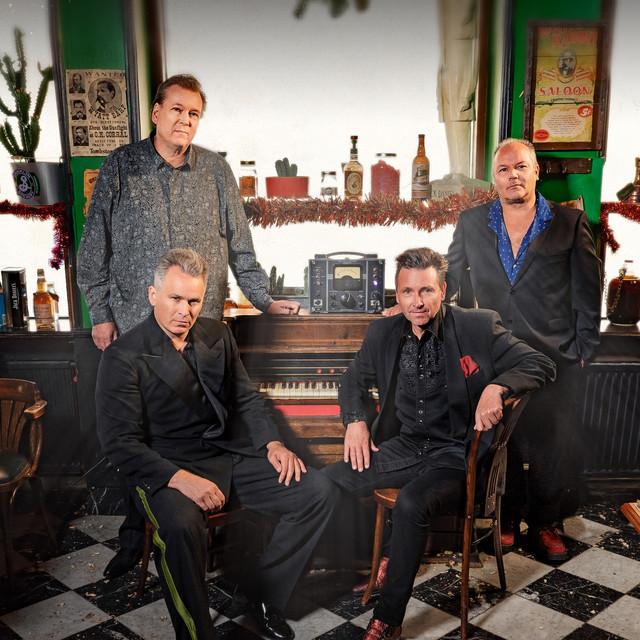
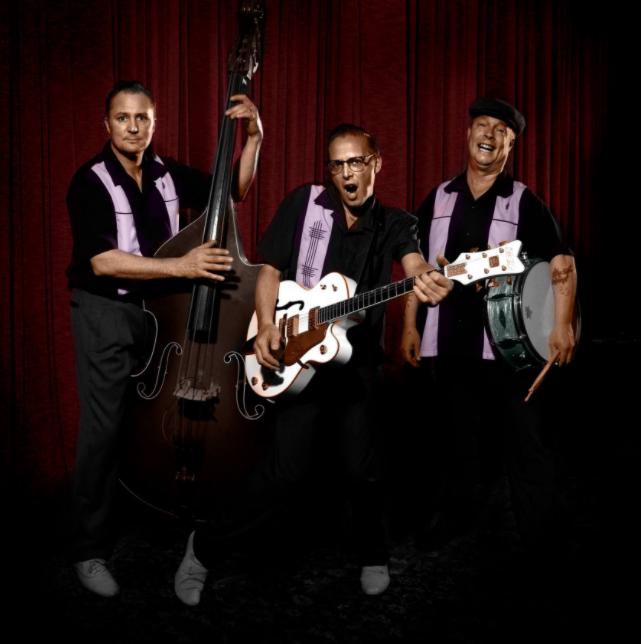
The Playtones’ Spotify BioFirst-place winners of the reality television show Dansbandskampen 2009, the Playtones are a Swedish dansband with a rockabilly style who made their chart-topping album debut with Rock 'n' Roll Dance Party. Founded in 2008 in Kallinge, Sweden, the band is comprised of Stefan Jonasson (vocals, piano), Andreas Carlsson (guitar), Peter Andersson (steel guitar), Mattias Schertell (bass), and Per Sennerhall (drums). Their influences include Chuck Berry, Jerry Lee Lewis, Ray Price, and Johnny Cash. Prior to founding the Playtones in 2008, Jonasson was the bandleader of Boppin' Steve & the Playtones, a rockabilly cover band that released a couple albums independently in the mid-2000s. These albums, I'm on Fire (2002) and Mr. Big (2004), were later reissued. The Playtones rose to fame on the show Dansbandskampen 2009, on which they finished in first place with 39 percent of the vote, well ahead of second-place runners-up Titanix. In association with Universal Music, the band made its… full-length album debut with Rock 'n' Roll Dance Party in 2010. A mix of Swedish- and English-language songs, Rock 'n' Roll Dance Party topped the Swedish albums chart for four weeks. ~ Jason Birchmeier, Rovi
Viberate is a music analytics platform built for A&Rs, artist managers, labels, booking agents, marketers, and artists.
It helps music professionals track artist growth, analyze audience data, monitor playlist activity, compare artists, follow song performance, and identify opportunities across the music market.
Public artist pages provide a free preview of selected artist data. Paid plans provide access to deeper analytics, historical data, charts, comparisons, playlist tools, exports, alerts, reports, and additional professional features.
Yes. Public Viberate artist pages provide selected artist analytics and music data for free.
Viberate also offers a 7-day free trial of the full platform. A credit card is required to start the trial. The trial includes access to the complete product so users can test deeper artist analytics, historical views, playlist insights, comparisons, charts, exports, alerts, and reporting features before choosing a paid plan.
Viberate provides artist analytics across streaming, playlists, social media, video, radio airplay, songs, and audience markets.
Users can analyze Spotify performance, Spotify and Apple Music playlists, YouTube activity, TikTok and Instagram growth, radio spins, song performance, audience locations, demographics, rankings, and overall artist momentum.
Artist profiles also connect to music charts, similar artists, and comparison tools, helping users benchmark performance and evaluate artists in context.
Viberate updates key artist and track data daily.
For followed artists and tracks, selected data is refreshed multiple times per day. This helps teams monitor playlist changes, streaming movement, audience growth, releases, and campaign performance with more current data.
Update frequency can vary depending on the metric and data source.
Yes. Viberate lets users compare up to five artists side by side across streaming, social media, audience, and engagement metrics.
Users can compare fanbase growth, audience demographics, locations, Spotify performance, social metrics, and other artist data over selected time periods.
Artist comparison can be used for A&R scouting, benchmarking, booking decisions, campaign planning, and evaluating artists with similar audiences or market positions.