The Pipettes

Pop
Indie Pop
Indie Rock
 Viberate Rank: 174644
 Viberate Rank: 174644
 Monthly ListenersFollowers
 Subscribers
 Followers
 Followers
 FansTop Spotify Songs
| Track | 7-Day Streams | |
|---|---|---|
1 | 5.18K | |
2 | 1.14K | |
3 | 524 | |
4 | 501 | |
5 | 484 |
Top YouTube Videos| Video | 7-Day Views | |
|---|---|---|
1 | 599 | |
2 | 258 |
Monthly ListenersFeatured in Playlists| Playlist | Followers | |
|---|---|---|
1 | lisa_anthem | 35.27K |
2 |  Angus, Thongs, and Perfect Snogging Soundtrack soojung | 33.72K |
3 |  The 500 Best Songs of the 2000s Pitchfork | 29.95K |
4 |  the L word Soundtrack (Season 1-6) val_toriello | 19.85K |
5 |  Bar Music 2026 rupert72 | 12.37K |
Audience| City | Monthly Listeners | |
|---|---|---|
1 |  | 718 |
2 |  | 496 |
3 | | 286 |
4 |  | 195 |
5 |  | 175 |
See full performance history, audience data, playlist activity, rankings, comparisons, and more in Viberate music analytics. Start with a free trial, then continue with a paid plan.
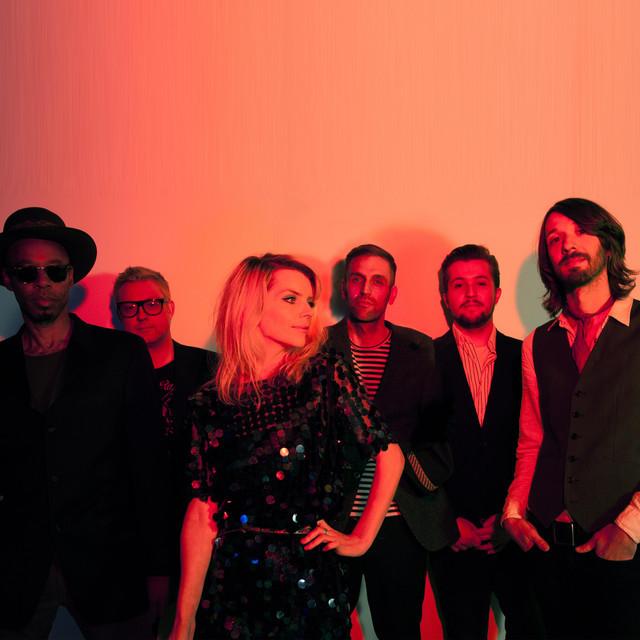
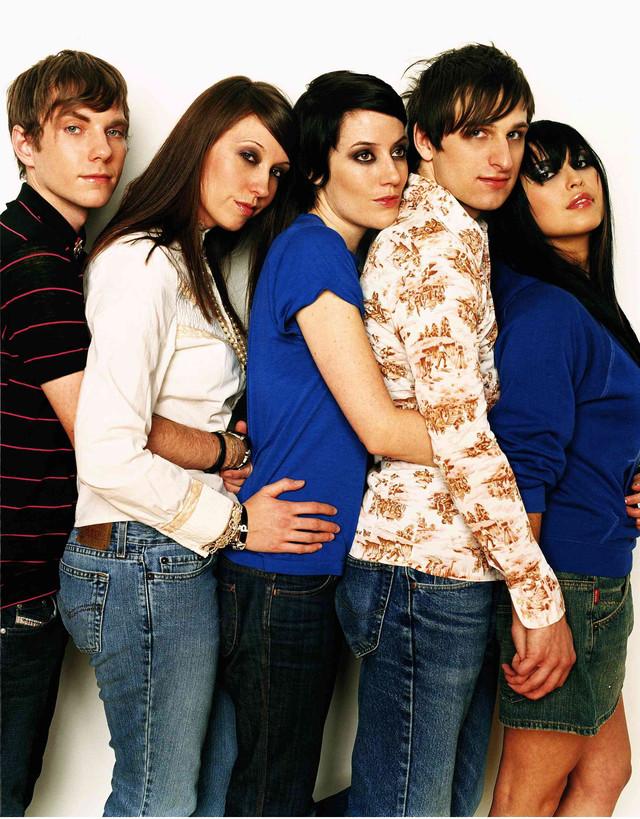
The Pipettes’ Spotify BioMatching polka-dot dresses, choreography, and retro sensibilities form the building blocks of the Pipettes, a modern-day girl group from Brighton, England. The group was launched in 2003 by Monster Bobby (real name: Robert William Barry), a local promoter who sought to revive the classic Phil Spector-inspired sound of the early '60s. An all-male troupe of backing musicians, the Cassettes, made up the backbone of the Pipettes' sound, but Monster Bobby smartly recruited three photogenic vocalists to take the wheel: Rebecca Stephens (RiotBecki), Julia Clark-Lowes (the Duchess of Darkness), and Rose Elinor Dougall (Rosay). Once assembled, the Pipettes sharpened their cheeky, endearing pop routine throughout 2004, playing shows in Brighton and London. As Gwenno Saunders replaced the departing Clark-Lowes in early 2005, the Pipettes put the finishing touches on three limited-edition singles -- "School Uniform," "ABC," and "Judy" -- all of which began making a buzz in indie circles during the… summer of 2005. Memphis Industries, having risen to prominence one year prior with the success of the Go! Team, took interest and offered the Pipettes a recording contract.
"Your Kisses Are Wasted on Me" arrived in March 2006, giving the Pipettes their first Top 40 hit in the U.K. The full-length album We Are the Pipettes followed in July, and its relative success paved the way for another deal -- this time with Cherrytree Records, which issued We Are the Pipettes in America and Asia in 2007. That same year also marked the group's first performance at the South by Southwest Music Conference. Despite the momentum, both RiotBecki and Rosay left the group in 2008, leaving the Pipettes with no original members and requiring new replacements to climb aboard. Anna McDonald and Ani Saunders filled the vacant spots, although McDonald also departed several months later, with Beth Mburu-Bowie joining in her place. Mburu-Bowie eventually left the group, too, but not before taking part in the recording sessions for the next album (though her parts were removed when she left the group). The revamped lineup's second record, Earth vs. the Pipettes, was produced by the legendary and semi-retired Martin Rushent (Human League, Altered Images) and was released by their new label, Fortuna Pop, in September of 2010. ~ MacKenzie Wilson & Andrew Leahey, Rovi
Viberate is a music analytics platform built for A&Rs, artist managers, labels, booking agents, marketers, and artists.
It helps music professionals track artist growth, analyze audience data, monitor playlist activity, compare artists, follow song performance, and identify opportunities across the music market.
Public artist pages provide a free preview of selected artist data. Paid plans provide access to deeper analytics, historical data, charts, comparisons, playlist tools, exports, alerts, reports, and additional professional features.
Yes. Public Viberate artist pages provide selected artist analytics and music data for free.
Viberate also offers a 7-day free trial of the full platform. A credit card is required to start the trial. The trial includes access to the complete product so users can test deeper artist analytics, historical views, playlist insights, comparisons, charts, exports, alerts, and reporting features before choosing a paid plan.
Viberate provides artist analytics across streaming, playlists, social media, video, radio airplay, songs, and audience markets.
Users can analyze Spotify performance, Spotify and Apple Music playlists, YouTube activity, TikTok and Instagram growth, radio spins, song performance, audience locations, demographics, rankings, and overall artist momentum.
Artist profiles also connect to music charts, similar artists, and comparison tools, helping users benchmark performance and evaluate artists in context.
Viberate updates key artist and track data daily.
For followed artists and tracks, selected data is refreshed multiple times per day. This helps teams monitor playlist changes, streaming movement, audience growth, releases, and campaign performance with more current data.
Update frequency can vary depending on the metric and data source.
Yes. Viberate lets users compare up to five artists side by side across streaming, social media, audience, and engagement metrics.
Users can compare fanbase growth, audience demographics, locations, Spotify performance, social metrics, and other artist data over selected time periods.
Artist comparison can be used for A&R scouting, benchmarking, booking decisions, campaign planning, and evaluating artists with similar audiences or market positions.