The Pharaohs

R&B
Funk
 Viberate Rank: 534299
 Viberate Rank: 534299
 Monthly ListenersFollowers
 Subscribers
 Followers
 Followers
 FansTop Spotify Songs
| Track | 7-Day Streams | |
|---|---|---|
1 | 140 | |
2 | 140 | |
3 | 88 | |
4 | 64 | |
5 | 61 |
Top YouTube VideosMonthly ListenersFeatured in Playlists| Playlist | Followers | |
|---|---|---|
1 |  Antal // Rush Hour Choice antalrushhour | 15.47K |
2 |  RHYTHM SECTION HQ Rhythm Section International | 11.56K |
3 |  Instrumental Groove & Funk Trillium | 11.32K |
4 | Chances With Wolves Bobby Rasmussen | 7.27K |
5 |  Reverberation Radio Allah-Las | 5.56K |
Audience| City | Monthly Listeners | |
|---|---|---|
1 |  | 74 |
2 | | 44 |
3 | | 43 |
4 | | 42 |
5 | | 38 |
See full performance history, audience data, playlist activity, rankings, comparisons, and more in Viberate music analytics. Start with a free trial, then continue with a paid plan.
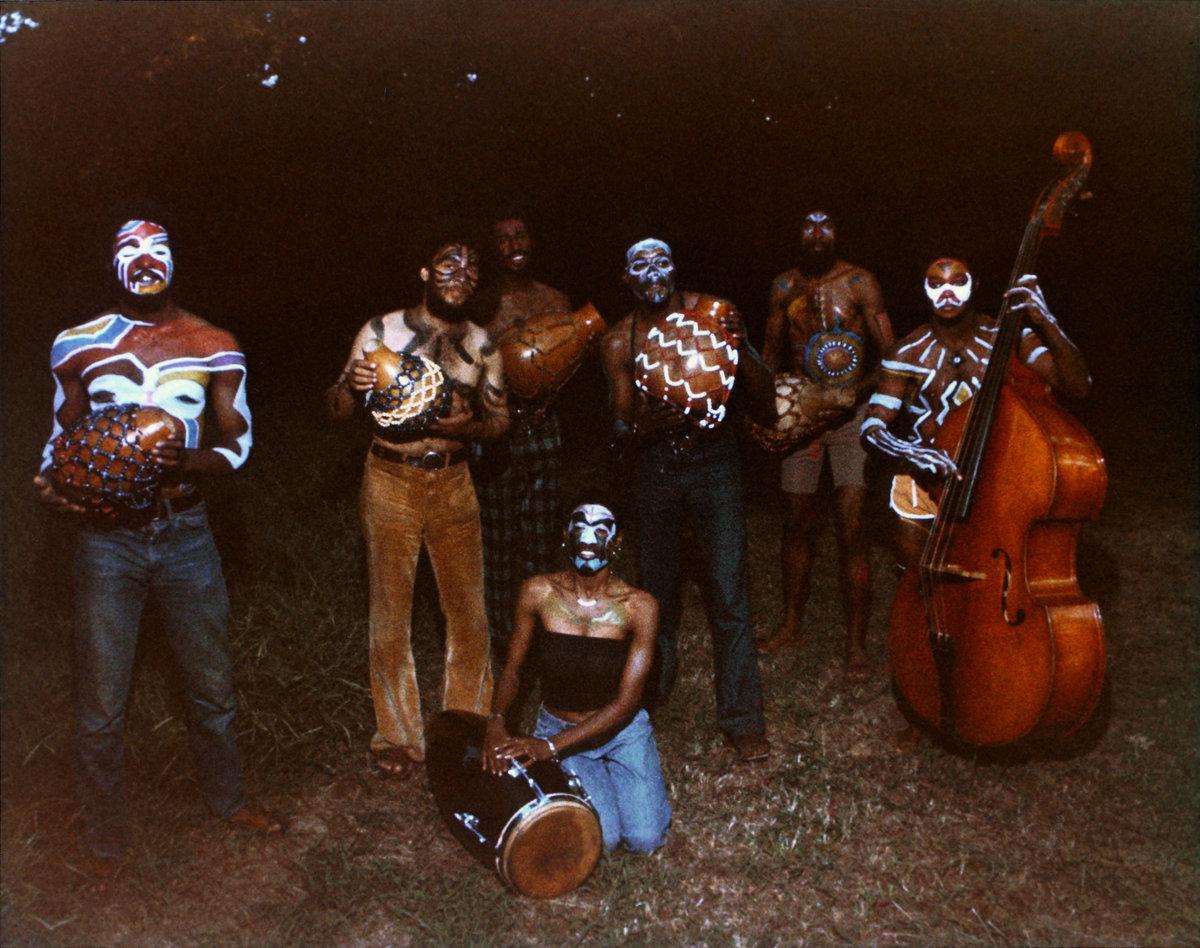
The Pharaohs’ Spotify BioThe Pharaohs were one of the forgotten treasures of '70s R&B, a freewheeling jazz-funk congregation heavily influenced by Chicago's jazz avant-garde as well as on-the-one funk and African motifs. Unfortunately, they recorded only one album before Earth, Wind & Fire frontman Maurice White (who played in an early version of the Pharaohs) hired several of its members to form the Phenix Horns, the justly celebrated horn section for Earth, Wind & Fire during the '70s.
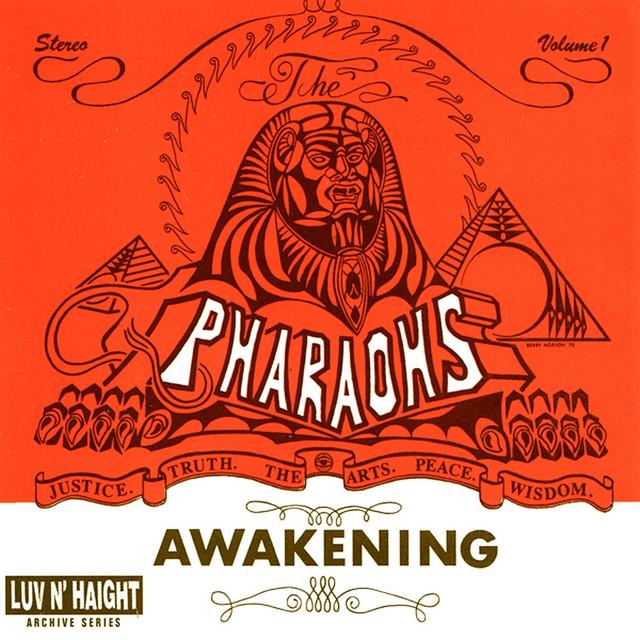
The group was formed from several jazz bands active around Chicago's Affro Arts Theater, a community educational collective. One of the bands, the Jazzmen, was formed in the early '60s around trumpeter Charles Handy, trombone player Louis Satterfield, and alto Don Myrick (along with three who didn't survive later conglomerations: pianist Fred Humphrey, bassist Ernest McCarthy, and drummer Maurice White). The other main component of the Pharaohs was the Artistic Heritage Ensemble, who had already recorded one late-'60s LP with… cornetist Philip Cohran, a veteran of Sun Ra's Arkestra and AACM. By the time of the Pharaohs' 1971 recording debut, Awakening, the group included Handy, Myrick, and Satterfield plus Big Willie Woods on trombone, Oye Bisi and Shango Njoko Adefumi on African drums, Yehudah Ben Israel on guitar and vocals, Alious Watkins on trap drums, Derf Reklaw-Raheem on percussion and flute, and Aaron Dodd on tuba. Though the album's astonishing fusion of funk, jazz, and Afro-beat earned them an assortment of die-hard fans and critics, the group's abstract inclinations hardly geared them for commercial success.
Back in the '60s, before the Pharaohs were formed, Handy, Satterfield, and Maurice White had often contributed to sessions at Chicago's Chess studios, so when White recorded a demo for a new band he wanted to form, both Handy and Satterfield appeared on it. After he signed to Warner Bros., they also began recording Earth, Wind & Fire material and eventually were officially hired by White as the Phenix Horns, with the addition of Pharaohs Yehudah Ben Israel and Rahm Lee, plus Michael Harris. The Pharaohs soldiered on until 1973, but called it quits without recording another studio album. Derf Reklaw became a respected world-jazz leader, while Woods and Dodd both appeared on many soul sessions around Chicago during the '70s. In 1996, the acid jazz label Luv 'N' Haight reissued Awakening and also released the 1972 live outing In the Basement. ~ John Bush, Rovi
Viberate is a music analytics platform built for A&Rs, artist managers, labels, booking agents, marketers, and artists.
It helps music professionals track artist growth, analyze audience data, monitor playlist activity, compare artists, follow song performance, and identify opportunities across the music market.
Public artist pages provide a free preview of selected artist data. Paid plans provide access to deeper analytics, historical data, charts, comparisons, playlist tools, exports, alerts, reports, and additional professional features.
Yes. Public Viberate artist pages provide selected artist analytics and music data for free.
Viberate also offers a 7-day free trial of the full platform. A credit card is required to start the trial. The trial includes access to the complete product so users can test deeper artist analytics, historical views, playlist insights, comparisons, charts, exports, alerts, and reporting features before choosing a paid plan.
Viberate provides artist analytics across streaming, playlists, social media, video, radio airplay, songs, and audience markets.
Users can analyze Spotify performance, Spotify and Apple Music playlists, YouTube activity, TikTok and Instagram growth, radio spins, song performance, audience locations, demographics, rankings, and overall artist momentum.
Artist profiles also connect to music charts, similar artists, and comparison tools, helping users benchmark performance and evaluate artists in context.
Viberate updates key artist and track data daily.
For followed artists and tracks, selected data is refreshed multiple times per day. This helps teams monitor playlist changes, streaming movement, audience growth, releases, and campaign performance with more current data.
Update frequency can vary depending on the metric and data source.
Yes. Viberate lets users compare up to five artists side by side across streaming, social media, audience, and engagement metrics.
Users can compare fanbase growth, audience demographics, locations, Spotify performance, social metrics, and other artist data over selected time periods.
Artist comparison can be used for A&R scouting, benchmarking, booking decisions, campaign planning, and evaluating artists with similar audiences or market positions.