The Paper Scissors

Punk
Pop Punk
Indie Pop
 Viberate Rank: 534929
 Viberate Rank: 534929
 Monthly ListenersFollowers
 Subscribers
 Followers
 Followers
 FansTop Spotify Songs
| Track | 7-Day Streams | |
|---|---|---|
1 | 514 | |
2 | 160 | |
3 | 9 | |
4 | 9 | |
5 | 6 |
Top YouTube VideosMonthly ListenersFeatured in Playlists| Playlist | Followers | |
|---|---|---|
1 |  CHILLAX wemakemusic | 2.26K |
2 |  BIRP! 2009 - 2019 BIRP! | 2.20K |
3 | Underbelly (season 1 soundtrack) Tomas | 1.45K |
4 |  Vida Fodona Trabalho Sujo | 1.07K |
Audience| City | Monthly Listeners | |
|---|---|---|
1 | | 327 |
2 | | 324 |
3 | | 253 |
4 | | 163 |
5 | | 95 |
See full performance history, audience data, playlist activity, rankings, comparisons, and more in Viberate music analytics. Start with a free trial, then continue with a paid plan.
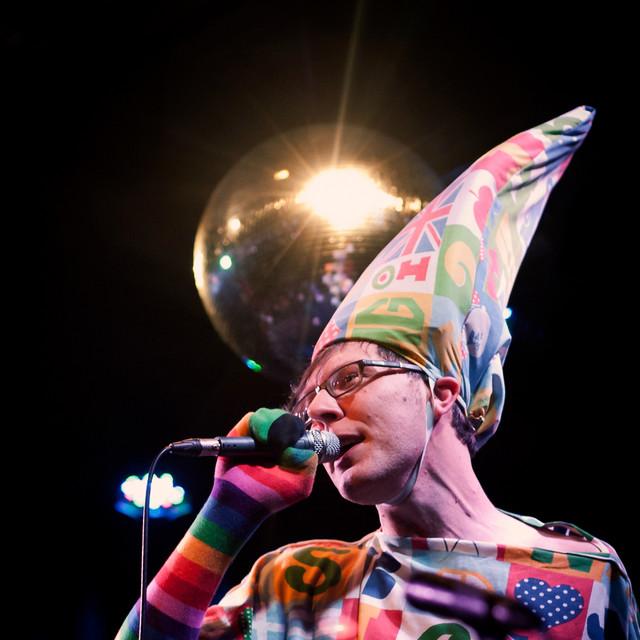
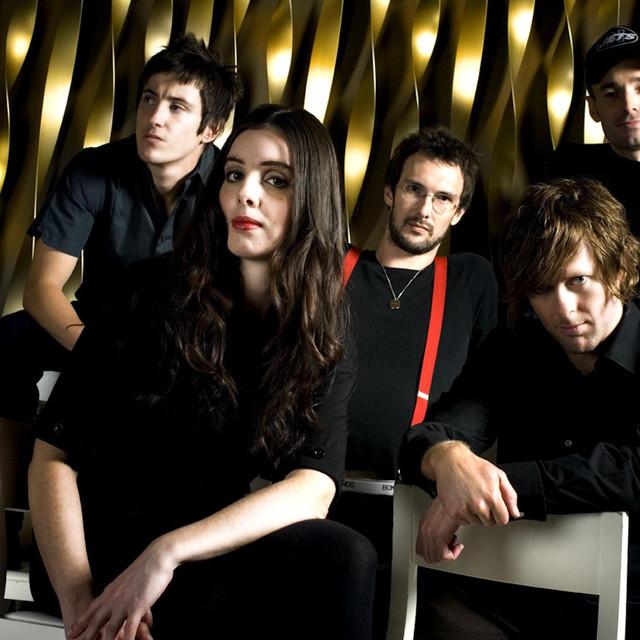
The Paper Scissors’ Spotify BioThe Paper Scissors were an Australian rock band that existed between 2005-2012. The last lineup consisted of Jai Pyne, Xavier Naughton and Ivan Lisyak. Their sound was described as "a combination of garage-punk, rock and soul". Australian music site Polaroids of Androids described them as "undoubtedly one of Sydney's finest bands of the past decade". The band released first garnered acclaim with their debut single We Don't Walk which was released on their self titled The Paper Scissors EP in 2006. The next year they released their first album Less Talk More Paper Scissors which featured Yamanote Line. After touring extensively, playing clubs and major festivals, the band released a string of singles before a hiatus. They released their long awaited second album in 2011. The album titled In Loving Memory was a much more serious and focused affair compare to their eclectic debut. The band released the Free EP in 2012 shortly before disbanding.
Jai Pyne went on to release his debut solo EP… Jaisus in 2015.
Viberate is a music analytics platform built for A&Rs, artist managers, labels, booking agents, marketers, and artists.
It helps music professionals track artist growth, analyze audience data, monitor playlist activity, compare artists, follow song performance, and identify opportunities across the music market.
Public artist pages provide a free preview of selected artist data. Paid plans provide access to deeper analytics, historical data, charts, comparisons, playlist tools, exports, alerts, reports, and additional professional features.
Yes. Public Viberate artist pages provide selected artist analytics and music data for free.
Viberate also offers a 7-day free trial of the full platform. A credit card is required to start the trial. The trial includes access to the complete product so users can test deeper artist analytics, historical views, playlist insights, comparisons, charts, exports, alerts, and reporting features before choosing a paid plan.
Viberate provides artist analytics across streaming, playlists, social media, video, radio airplay, songs, and audience markets.
Users can analyze Spotify performance, Spotify and Apple Music playlists, YouTube activity, TikTok and Instagram growth, radio spins, song performance, audience locations, demographics, rankings, and overall artist momentum.
Artist profiles also connect to music charts, similar artists, and comparison tools, helping users benchmark performance and evaluate artists in context.
Viberate updates key artist and track data daily.
For followed artists and tracks, selected data is refreshed multiple times per day. This helps teams monitor playlist changes, streaming movement, audience growth, releases, and campaign performance with more current data.
Update frequency can vary depending on the metric and data source.
Yes. Viberate lets users compare up to five artists side by side across streaming, social media, audience, and engagement metrics.
Users can compare fanbase growth, audience demographics, locations, Spotify performance, social metrics, and other artist data over selected time periods.
Artist comparison can be used for A&R scouting, benchmarking, booking decisions, campaign planning, and evaluating artists with similar audiences or market positions.