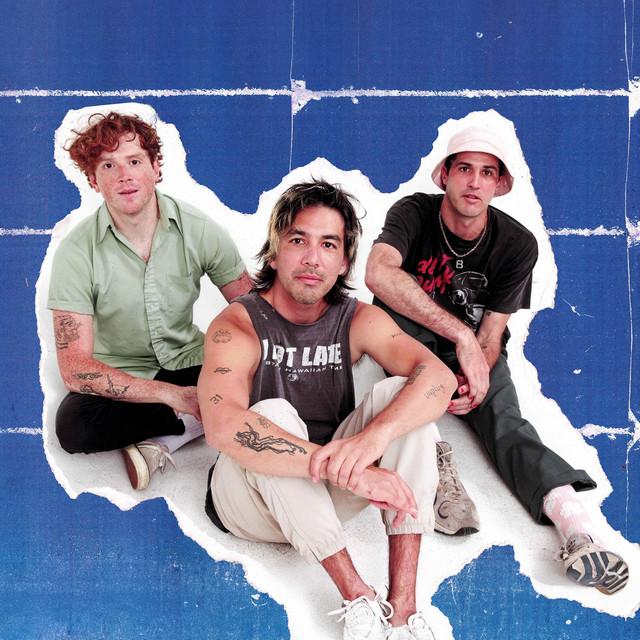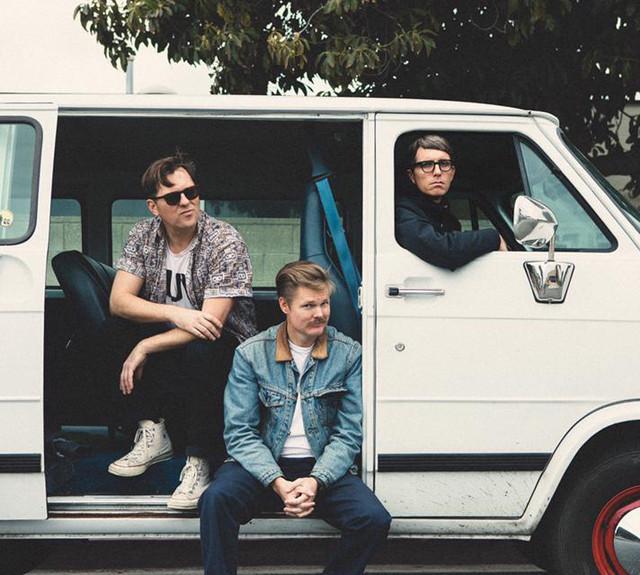
The Orwells

Punk
Punk Rock
Garage Rock
 Viberate Rank: 58933
 Viberate Rank: 58933
 Monthly ListenersFollowers
 Subscribers
 Followers
 Followers
 FansTop Spotify Songs
| Track | 7-Day Streams | |
|---|---|---|
1 | 20.17K | |
2 | 15.92K | |
3 | 10.43K | |
4 | 8.11K | |
5 | 6.58K |
Top YouTube VideosMonthly ListenersFeatured in Playlists| Playlist | Followers | |
|---|---|---|
1 |  Rock Me Up Spotify | 605.46K |
2 |  god-blessed riffs Natalia P. | 147.36K |
3 |  Manifesting a backseat lovers concert megan | 75.44K |
4 | GTA V Songs Leroy Witkamp | 54.39K |
5 |  Guitar Hero Live Playlist GuitarHero | 50.18K |
Audience| City | Monthly Listeners | |
|---|---|---|
1 | | 3.70K |
2 | | 3.40K |
3 | | 2.08K |
4 | | 1.61K |
5 |  | 1.60K |
See full performance history, audience data, playlist activity, rankings, comparisons, and more in Viberate music analytics. Start with a free trial, then continue with a paid plan.
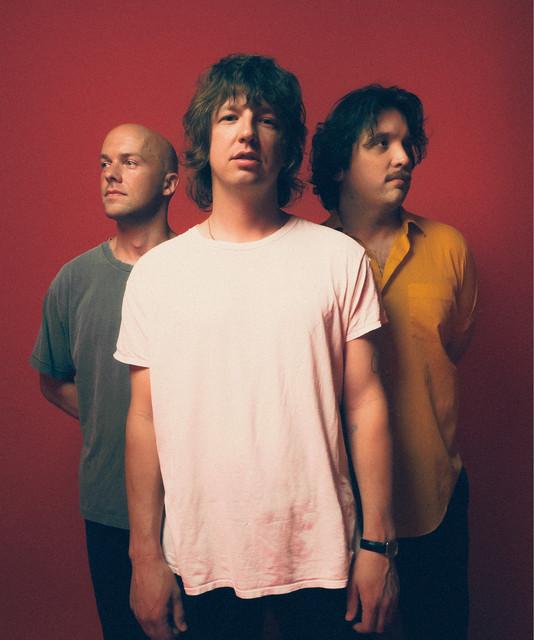
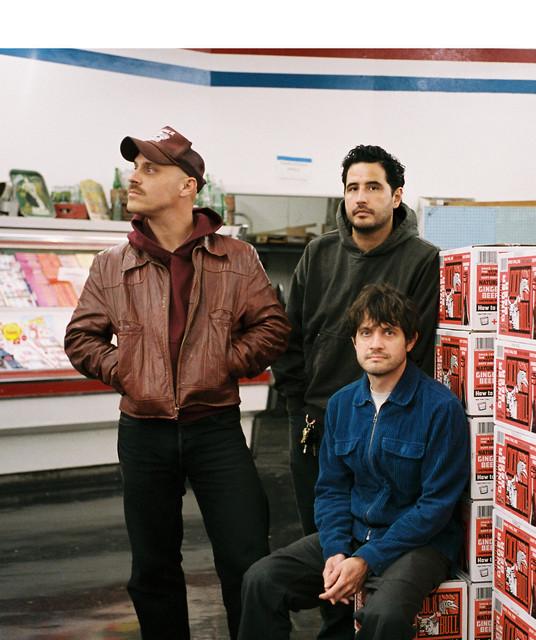
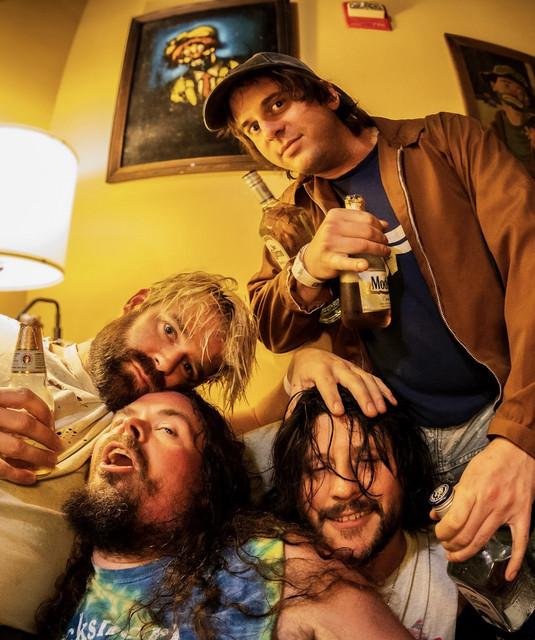
The Orwells’ Spotify BioIllinois rock group the Orwells played a rowdy brand of indie rock inspired by bands like the Replacements and Black Lips. Their energetic live shows and punchy songs caught on and the band was soon making albums, debuting in 2012 with Remember When. After the release of two albums for the venerable Atlantic label, 2014's Disgraceland and 2017's Terrible Human Beings, the band split up in the wake of misconduct allegations.
The group formed in 2009 while they were attending high school in Elmhurst, Illinois. Cousins Mario Cuomo (vocals) and Dominic Corso (guitar) teamed up with brothers Grant (bass) and Henry Brinner (drums), alongside their friend Matt O'Keefe (guitar), and started making music together. Along with hitting the books and skating, the Orwells started recording their raucous indie rock songs. In 2011, they signed to L.A.-based blogger Justin Gage's Autumn Tone record label after they sent him a link to one of their videos with hopes it would lead to being featured on his… website. The combination of their raw youth and rasping melodies on single "Mallrats (La La La)" was picked up by bloggers and the band's debut album, Remember When, followed in 2012. They graduated high school early in 2013 and toured nonstop for the majority of the year, stopping briefly to record the Other Voices EP with TV on the Radio's Dave Sitek in the summer.
Their frenetic live performances brought interest from a host of major labels, but they eventually signed to Atlantic Records and headed to the studio with producer Jim Abbiss (Arctic Monkeys, Kasabian) to work on new material. The following year they toured North America with Arctic Monkeys and made a memorable appearance on Late Show with David Letterman. Their sophomore effort, Disgraceland, was released in 2014 and reached number 69 on the Billboard album chart. The Orwells spent time touring and hanging out in their shared apartments (one of which housed an indoor skate ramp), and started working on songs for their next album. Inspired by films and books, Cuomo pushed himself to write more mature lyrics. The other bandmembers responded by cleaning up their sound and, with the help of producer Jim Abiss, added some sonic muscle to the songs. Terrible Human Beings was released by Atlantic at the beginning of 2017. The band broke up in August of 2018 in the wake of sexual misconduct accusations leveled against multiple members. Nearly a year later, Cuomo put the band's previously recorded self-titled fourth album up on streaming sites. ~ Scott Kerr, Rovi
Viberate is a music analytics platform built for A&Rs, artist managers, labels, booking agents, marketers, and artists.
It helps music professionals track artist growth, analyze audience data, monitor playlist activity, compare artists, follow song performance, and identify opportunities across the music market.
Public artist pages provide a free preview of selected artist data. Paid plans provide access to deeper analytics, historical data, charts, comparisons, playlist tools, exports, alerts, reports, and additional professional features.
Yes. Public Viberate artist pages provide selected artist analytics and music data for free.
Viberate also offers a 7-day free trial of the full platform. A credit card is required to start the trial. The trial includes access to the complete product so users can test deeper artist analytics, historical views, playlist insights, comparisons, charts, exports, alerts, and reporting features before choosing a paid plan.
Viberate provides artist analytics across streaming, playlists, social media, video, radio airplay, songs, and audience markets.
Users can analyze Spotify performance, Spotify and Apple Music playlists, YouTube activity, TikTok and Instagram growth, radio spins, song performance, audience locations, demographics, rankings, and overall artist momentum.
Artist profiles also connect to music charts, similar artists, and comparison tools, helping users benchmark performance and evaluate artists in context.
Viberate updates key artist and track data daily.
For followed artists and tracks, selected data is refreshed multiple times per day. This helps teams monitor playlist changes, streaming movement, audience growth, releases, and campaign performance with more current data.
Update frequency can vary depending on the metric and data source.
Yes. Viberate lets users compare up to five artists side by side across streaming, social media, audience, and engagement metrics.
Users can compare fanbase growth, audience demographics, locations, Spotify performance, social metrics, and other artist data over selected time periods.
Artist comparison can be used for A&R scouting, benchmarking, booking decisions, campaign planning, and evaluating artists with similar audiences or market positions.