The Orioles

R&B
Soul
Contemporary R&B
 Viberate Rank: 152295
 Viberate Rank: 152295
 Monthly ListenersFollowers
 Subscribers
 Followers
 Followers
 FansTop Spotify Songs
| Track | 7-Day Streams | |
|---|---|---|
1 | 7.67K | |
2 | 7.67K | |
3 | 7.67K | |
4 | 7.65K | |
5 | 1.55K |
Top YouTube VideosMonthly ListenersFeatured in Playlists| Playlist | Followers | |
|---|---|---|
1 |  Timeless Soul Ballads Spotify | 377.45K |
2 | Doo Wop Classics Drew Kellerman | 48.05K |
3 |  50's and 60's Rock'n'Roll classics lxwless playlists | 40.28K |
4 |  American Graffiti Soundtrack devin0835 | 37.80K |
5 |  Far Cry Complete Music | Official Playlist Ubisoft Music | 31.41K |
Audience| City | Monthly Listeners | |
|---|---|---|
1 |  | 18 |
2 | | 13 |
3 | | 11 |
4 | | 10 |
5 | | 10 |
See full performance history, audience data, playlist activity, rankings, comparisons, and more in Viberate music analytics. Start with a free trial, then continue with a paid plan.
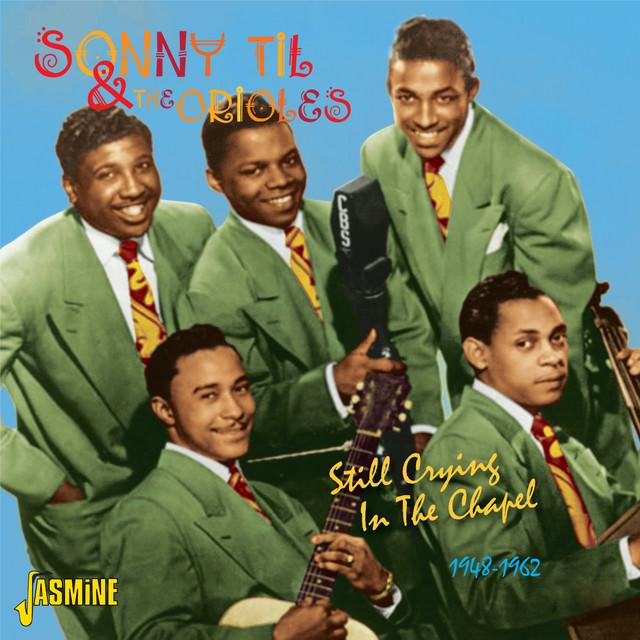
The Orioles’ Spotify BioLed by Sonny Til, the Orioles were the first Black vocal group to sing music directly to a Black audience. Through their early recordings -- which were made in the late '40s and early '50s -- the band laid the groundwork for R&B vocal groups and doo wop. The Orioles fused traditional pop songs with gospel sensibilities and arranged blues and gospel material with smooth harmonies designed to appeal to the broadest audience possible.
Based in Baltimore, Maryland, the Orioles consisted of lead vocalist Sonny Til, Alexander Sharp (tenor vocals), George Nelson (baritone vocals), Johnny Reed (bass vocals), and guitarist Tommy Gaither. Originally called the Vibranaires, the group formed when its members were teenagers. They came to the attention of Deborah Chessler, a local merchant who also wrote songs; she would write many of the group's subsequent hits. Chessler became the band's manager and she was able to get the Vibranaires a spot on Arthur Godfrey's Talent Scouts television show.… Although the group lost to pianist George Shearing, they caught the eye of Jerry Blaine, a New York record company executive, while they were in town for the program.
Blaine signed the group to his newly created It's a Natural record label and had the band cut "It's Too Soon to Know," a ballad written by Chessler. After they signed their deal with It's a Natural, the band changed its name to the Orioles. In the late summer of 1948, "It's Too Soon to Know" was released on that label, but shortly after the single's release, National Records complained about the name of Blaine's new label, so he re-released the song on Jubilee Records, a label he'd previously used to release Yiddish comedy records. "It's Too Soon to Know" became a number one R&B hit and crossed over to number 13 on the pop charts. At the time of its release, no Black group had managed to cross over to the pop charts with what was then known as a "race" record. The Orioles immediately followed the success of their debut single with the seasonal "(It's Gonna Be A) Lonely Christmas," which reached the R&B Top Ten at the end of 1948.
"Tell Me So" became the Orioles' second number one R&B hit in the spring of 1949, beginning a streak of six R&B hit singles that year. In addition to "Tell Me So," the group charted with "A Kiss and a Rose" (number 12, late summer), "I Challenge Your Kiss" (number 11, fall), "Forgive and Forget" (number five, fall), a re-released "(It's Gonna Be A) Lonely Christmas" (number five, winter), and the B-side of "Lonely Christmas," "What Are You Doing New Year's Eve" (number nine, winter).
Following their peak year of 1949, the group ran into tragedy. In 1950, Gaither, Nelson, and Reed suffered an automobile accident that killed Gaither and severely injured the other two members; Nelson quit the group later in the year. As Reed recovered, the group found replacements for Gaither and Nelson, finally settling on guitarist Ralph Williams and vocalist Gregory Carroll. The new lineup of the band had its first hit in 1952, when "Baby Please Don't Go" reached number eight on the R&B charts. The following year, the group had their biggest hit with "Crying in the Chapel." Released in the summer of 1953, "Crying in the Chapel" spent five weeks on the R&B charts and reached number 11 on the pop charts, eventually going gold; Elvis Presley had a hit with the song 12 years later. Toward the end of the year, the group had another Top Ten R&B hit with "In the Mission of St. Augustine." The single would turn out to be their last hit.
In 1954, the Orioles began to splinter, as Sharp and Reed left to join the Ink Spots. Til assembled a new lineup, but the group didn't get much attention. He continued to lead various incarnations of the Orioles, performing concerts and re-recording the group's old hits, until his death in 1981. Nelson died sometime in 1959 and Sharp died in the early '70s. In 1995, 40 years after the original lineup of the group disbanded, the Orioles were inducted into the Rock & Roll Hall of Fame. ~ Stephen Thomas Erlewine, Rovi
Viberate is a music analytics platform built for A&Rs, artist managers, labels, booking agents, marketers, and artists.
It helps music professionals track artist growth, analyze audience data, monitor playlist activity, compare artists, follow song performance, and identify opportunities across the music market.
Public artist pages provide a free preview of selected artist data. Paid plans provide access to deeper analytics, historical data, charts, comparisons, playlist tools, exports, alerts, reports, and additional professional features.
Yes. Public Viberate artist pages provide selected artist analytics and music data for free.
Viberate also offers a 7-day free trial of the full platform. A credit card is required to start the trial. The trial includes access to the complete product so users can test deeper artist analytics, historical views, playlist insights, comparisons, charts, exports, alerts, and reporting features before choosing a paid plan.
Viberate provides artist analytics across streaming, playlists, social media, video, radio airplay, songs, and audience markets.
Users can analyze Spotify performance, Spotify and Apple Music playlists, YouTube activity, TikTok and Instagram growth, radio spins, song performance, audience locations, demographics, rankings, and overall artist momentum.
Artist profiles also connect to music charts, similar artists, and comparison tools, helping users benchmark performance and evaluate artists in context.
Viberate updates key artist and track data daily.
For followed artists and tracks, selected data is refreshed multiple times per day. This helps teams monitor playlist changes, streaming movement, audience growth, releases, and campaign performance with more current data.
Update frequency can vary depending on the metric and data source.
Yes. Viberate lets users compare up to five artists side by side across streaming, social media, audience, and engagement metrics.
Users can compare fanbase growth, audience demographics, locations, Spotify performance, social metrics, and other artist data over selected time periods.
Artist comparison can be used for A&R scouting, benchmarking, booking decisions, campaign planning, and evaluating artists with similar audiences or market positions.


