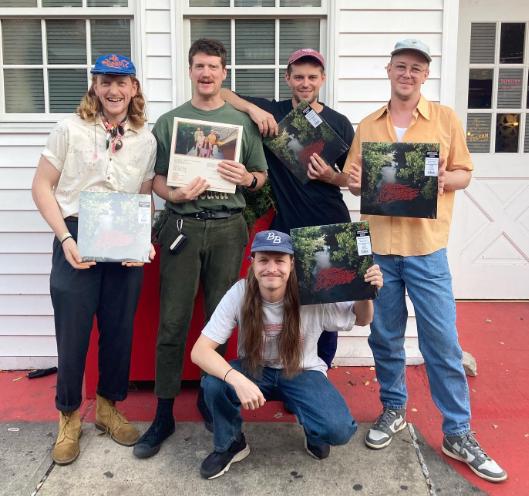
The Olympians

R&B
Funk
Retro Soul
Nu Jazz
 Viberate Rank: 69246
 Viberate Rank: 69246
 Monthly ListenersFollowers
 Subscribers
 Followers
 Followers
 FansTop Spotify Songs
| Track | 7-Day Streams | |
|---|---|---|
1 | 72.39K | |
2 | 29.67K | |
3 | 27.88K | |
4 | 27.33K | |
5 | 24.65K |
Top YouTube Videos| Video | 7-Day Views | |
|---|---|---|
1 | 137 | |
2 | 23 |
Monthly ListenersFeatured in Playlists| Playlist | Followers | |
|---|---|---|
1 |  Soul 'n' the City Spotify | 824.70K |
2 |  Retro Soul Spotify | 408.84K |
3 |  Instrumental Funk Spotify | 394.13K |
4 |  Life Moves Pretty Fast jabren | 54.84K |
5 |  Ben Watt's SpinCycle Ben Watt | 23.17K |
Audience| City | Monthly Listeners | |
|---|---|---|
1 |  | 6.73K |
2 | | 6.24K |
3 | | 5.53K |
4 |  | 5.44K |
5 | | 5.30K |
See full performance history, audience data, playlist activity, rankings, comparisons, and more in Viberate music analytics. Start with a free trial, then continue with a paid plan.
The Olympians’ Spotify BioIn 2008, Toby Pazner and a group of New York City’s most sought-after musicians found themselves in a Brooklyn bedroom, gathered around a Tascam 388 tape machine. There, they recorded what would become the debut 45 of a project he named The Olympians—initially released on Truth & Soul Records.
Eight years later, while on tour in the Greek Islands, Pazner had a fever dream in which he was visited by a toga-clad, curly-haired figure. The mysterious presence urged him to return across the great sea to build a "Temple of Sound"—a vision that ultimately materialized as the group’s self-titled album, released in 2016 on Daptone Records. The record featured a long list of elite musicians from the Daptone family, all of whom contributed their talents to help realize Pazner’s creative vision.
The album was met with widespread acclaim, quickly earning a reputation as one of the finest instrumental soul records of the decade–gaining reviews from Pitchfork, American Songwriter, Brooklyn Vegan, KUTX… and many others.
Following the success of his debut solo effort, Pazner spent the next several years exploring the musical cosmos and writing songs with Lee Fields as well as joining him on the road as his keyboardist. During this time he also started a family. This series of transformative life events set the stage for his most recent album, In Search of a Revival ( Daptone Records).
Viberate is a music analytics platform built for A&Rs, artist managers, labels, booking agents, marketers, and artists.
It helps music professionals track artist growth, analyze audience data, monitor playlist activity, compare artists, follow song performance, and identify opportunities across the music market.
Public artist pages provide a free preview of selected artist data. Paid plans provide access to deeper analytics, historical data, charts, comparisons, playlist tools, exports, alerts, reports, and additional professional features.
Yes. Public Viberate artist pages provide selected artist analytics and music data for free.
Viberate also offers a 7-day free trial of the full platform. A credit card is required to start the trial. The trial includes access to the complete product so users can test deeper artist analytics, historical views, playlist insights, comparisons, charts, exports, alerts, and reporting features before choosing a paid plan.
Viberate provides artist analytics across streaming, playlists, social media, video, radio airplay, songs, and audience markets.
Users can analyze Spotify performance, Spotify and Apple Music playlists, YouTube activity, TikTok and Instagram growth, radio spins, song performance, audience locations, demographics, rankings, and overall artist momentum.
Artist profiles also connect to music charts, similar artists, and comparison tools, helping users benchmark performance and evaluate artists in context.
Viberate updates key artist and track data daily.
For followed artists and tracks, selected data is refreshed multiple times per day. This helps teams monitor playlist changes, streaming movement, audience growth, releases, and campaign performance with more current data.
Update frequency can vary depending on the metric and data source.
Yes. Viberate lets users compare up to five artists side by side across streaming, social media, audience, and engagement metrics.
Users can compare fanbase growth, audience demographics, locations, Spotify performance, social metrics, and other artist data over selected time periods.
Artist comparison can be used for A&R scouting, benchmarking, booking decisions, campaign planning, and evaluating artists with similar audiences or market positions.