The Ocean Party

Rock
Indie Rock
 Viberate Rank: 298194
 Viberate Rank: 298194
 Monthly ListenersFollowers
 Subscribers
 Followers
 Followers
 FansTop Spotify Songs
| Track | 7-Day Streams | |
|---|---|---|
1 | 421 | |
2 | 294 | |
3 | 292 | |
4 | 283 | |
5 | 182 |
Top YouTube VideosMonthly ListenersFeatured in Playlists| Playlist | Followers | |
|---|---|---|
1 |  UN-WRAPPED Derrick Gee | 8.33K |
2 |  Slowdown Slow Jams Slowdown Studio | 5.02K |
3 | triple j's Hottest 100 2013 Candidates triple j | 4.80K |
4 |  songs like starting over amelia powles. | 4.19K |
5 |  Jangle Pop/Rock Ash Dubey | 4.12K |
Audience| City | Monthly Listeners | |
|---|---|---|
1 | | 805 |
2 | | 805 |
3 | | 470 |
4 | | 295 |
5 | | 159 |
See full performance history, audience data, playlist activity, rankings, comparisons, and more in Viberate music analytics. Start with a free trial, then continue with a paid plan.
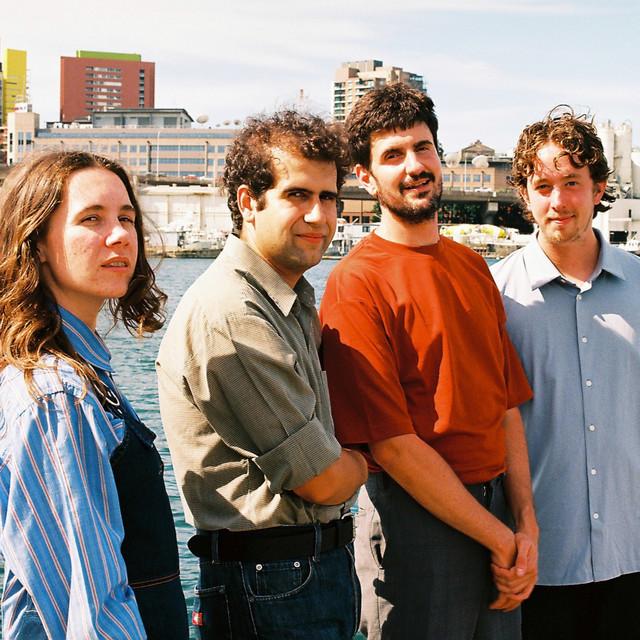
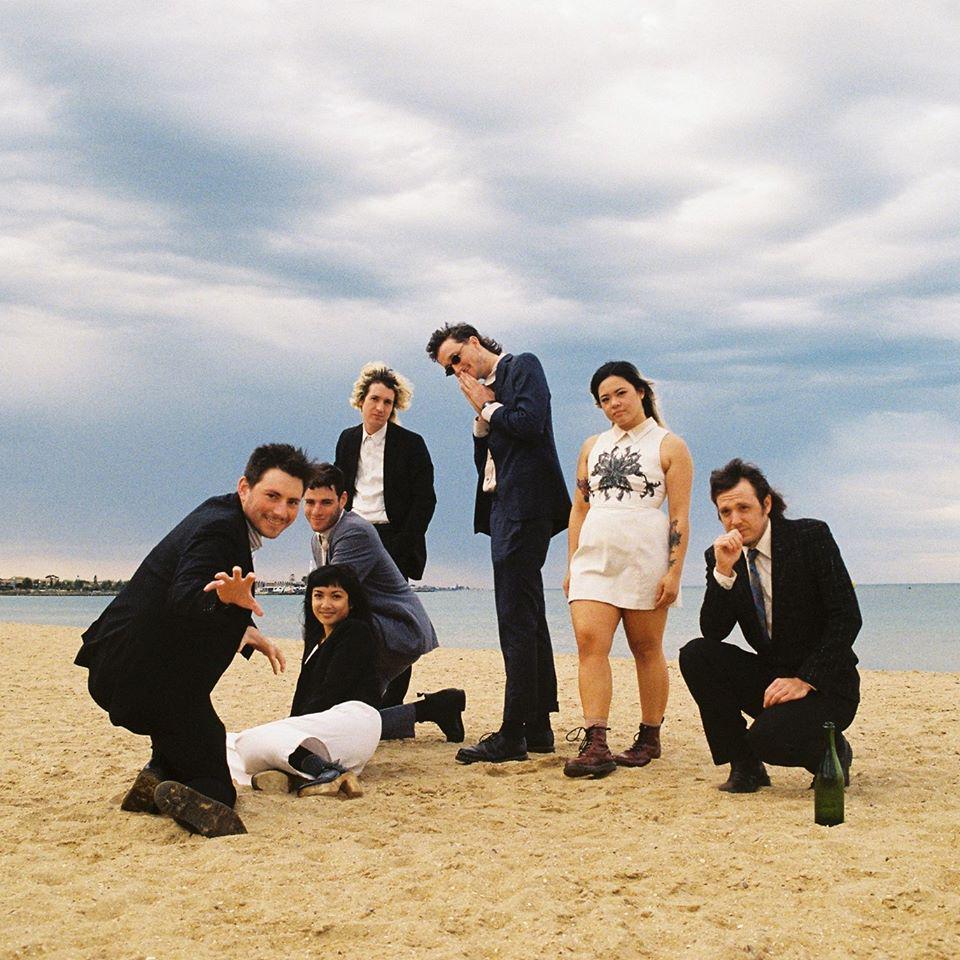
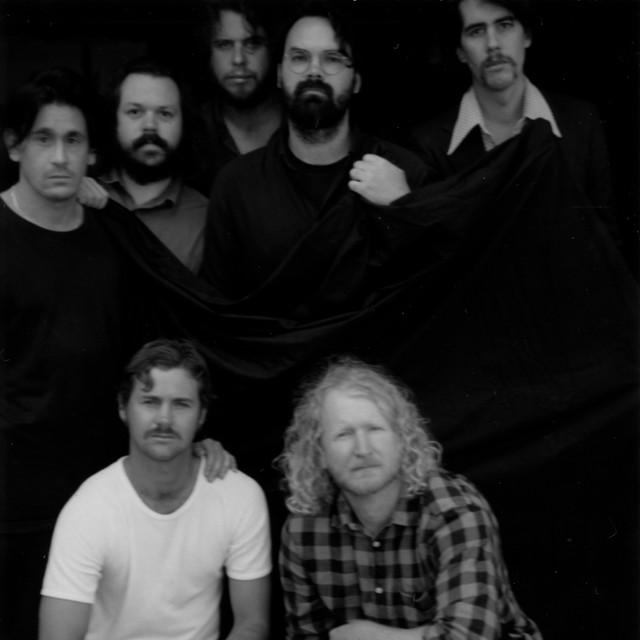
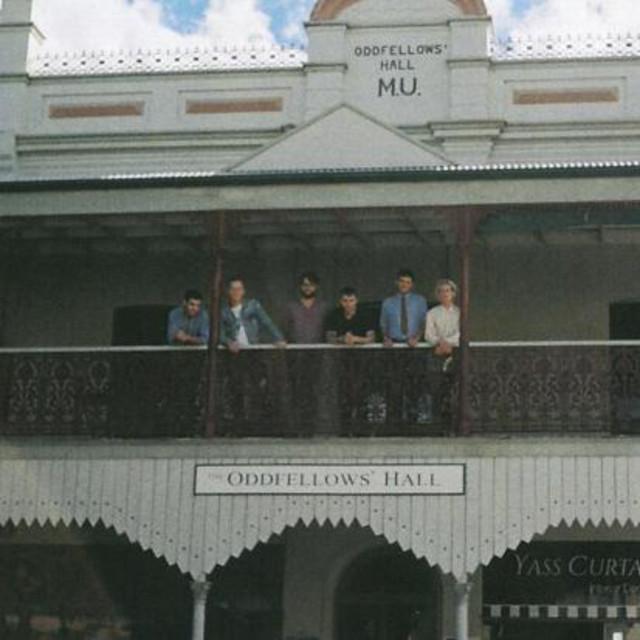
The Ocean Party’s Spotify BioProlific Australian indie pop band the Ocean Party owed some of their high-volume output to the fact that they were made up of so many songwriters. Songwriting duties were split up between all six bandmembers, resulting in a steady stream of wistful, jangly tunes. From their inception in the early 2010s, the band released at least one, sometimes two full-length albums a year, reaching their most poignant material on 2018's introspective-yet-light The Oddfellow's Hall.
Formed by a camp of songwriting multi-instrumentalists from the cities of Melbourne and Wagga Wagga, the Ocean Party came together in the early 2010s and released their first recordings as a series of limited-edition handmade CD-R singles. The band at this point was made up of Liam Halliwell, Simon Lam, Curtis Wakeling, Jordan Thompson, and Lachlan Denton. In the group's earliest form, Denton acted as the primary singer/songwriter for the relatively upbeat material that made up early self-released singles and 2011's debut… full-length The Sun Rolled Off the Hills. This continued on 2012's Social Clubs, but with 2013's Split, the band shifted to a group songwriting and singing style, and the music grew moodier without losing its breezy charms.
It was with the arrival of drummer/songwriter/recording engineer Zac Denton (Lachlan's younger brother, who was just 18 when he joined the band) that the Ocean Party solidified. Now a six-piece, the group recorded constantly, releasing fourth album Soft Focus in 2014 and following it with 2015's Light Weight and 2016's Restless with less than a year's time in between each. Along with a busy recording schedule, the band toured regionally often and even made it to the States, with tour-only releases and EPs filling the space between albums. 2017 saw the release of seventh album Beauty Point.
The Ocean Party had finished the recording of their eighth album when Zac Denton died suddenly in October 2018 of a brain cyst. The group released The Oddfellow's Hall a month later, but they ultimately decided to disband following the loss. As a tribute, their final release was 2019's Nothing Grows, an EP with six unreleased songs written by Zac. He had recorded his parts for the project shortly before his death, and the EP was finished by his bandmates after he passed. The Ocean Party played four final shows in March 2019. ~ Fred Thomas, Rovi
Viberate is a music analytics platform built for A&Rs, artist managers, labels, booking agents, marketers, and artists.
It helps music professionals track artist growth, analyze audience data, monitor playlist activity, compare artists, follow song performance, and identify opportunities across the music market.
Public artist pages provide a free preview of selected artist data. Paid plans provide access to deeper analytics, historical data, charts, comparisons, playlist tools, exports, alerts, reports, and additional professional features.
Yes. Public Viberate artist pages provide selected artist analytics and music data for free.
Viberate also offers a 7-day free trial of the full platform. A credit card is required to start the trial. The trial includes access to the complete product so users can test deeper artist analytics, historical views, playlist insights, comparisons, charts, exports, alerts, and reporting features before choosing a paid plan.
Viberate provides artist analytics across streaming, playlists, social media, video, radio airplay, songs, and audience markets.
Users can analyze Spotify performance, Spotify and Apple Music playlists, YouTube activity, TikTok and Instagram growth, radio spins, song performance, audience locations, demographics, rankings, and overall artist momentum.
Artist profiles also connect to music charts, similar artists, and comparison tools, helping users benchmark performance and evaluate artists in context.
Viberate updates key artist and track data daily.
For followed artists and tracks, selected data is refreshed multiple times per day. This helps teams monitor playlist changes, streaming movement, audience growth, releases, and campaign performance with more current data.
Update frequency can vary depending on the metric and data source.
Yes. Viberate lets users compare up to five artists side by side across streaming, social media, audience, and engagement metrics.
Users can compare fanbase growth, audience demographics, locations, Spotify performance, social metrics, and other artist data over selected time periods.
Artist comparison can be used for A&R scouting, benchmarking, booking decisions, campaign planning, and evaluating artists with similar audiences or market positions.