The New Mourning

Rock
Alternative Rock
 Viberate Rank: 576683
 Viberate Rank: 576683
 Monthly ListenersFollowers
 Subscribers
 Followers
 Followers
 FansTop Spotify Songs
| Track | 7-Day Streams | |
|---|---|---|
1 | 28 | |
2 | 19 | |
3 | 14 | |
4 | 13 | |
5 | 12 |
Top YouTube VideosMonthly ListenersFeatured in Playlists| Playlist | Followers | |
|---|---|---|
1 |  FM4 Sunny Side Up (Update every Sunday) johannespuntigam | 9.46K |
2 |  Escape reality with this playlist Night Gaze | 8.01K |
3 |  3 am vibes Night Gaze | 5.29K |
4 |  late night vibes Night Gaze | 2.81K |
Audience| City | Monthly Listeners | |
|---|---|---|
1 | | 11 |
2 |  | 10 |
3 |  | 7 |
4 |  | 7 |
5 |  | 5 |
See full performance history, audience data, playlist activity, rankings, comparisons, and more in Viberate music analytics. Start with a free trial, then continue with a paid plan.
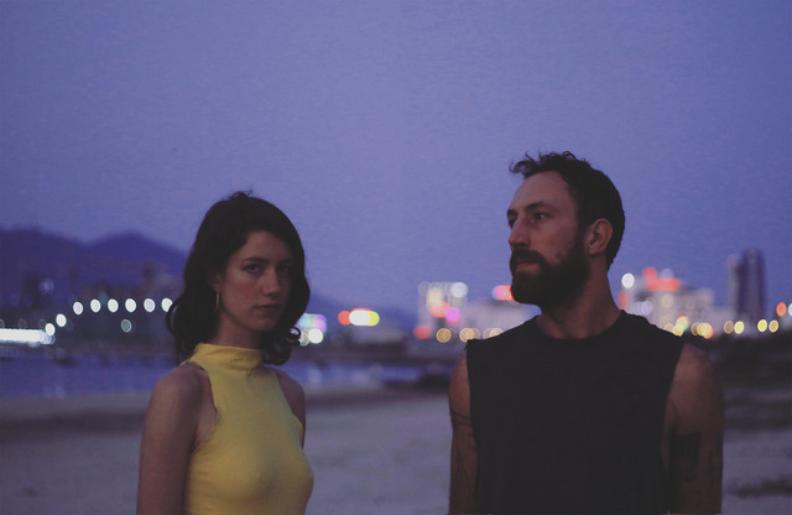
The New Mourning’s Spotify BioThe concept of The New Mourning began while Thomas Pronai was touring Germany (2018) as drummer in Pete Astor’s band (The Weather Prophets, The Loft) alongside James Hoare (Veronica Falls, The Proper Ornaments) and Rose Keeler-Schäffeler (Keel Her, Tim Burgess). The experience of a real live band, playing simple, reduced rock ‘n’ roll songs without any frills and furbelows, inspired Pronai to recreate that very feeling on tape. Three months later he found himself in London laying the tracks for two new songs onto Hoare’s Studer 16-track tape machine for the band’s debut single (Who’d Stop The Sun, Kleine Untergrund Schallplatten KUS22, 7” vinyl).
Following their debut single, The New Mourning toured Germany, Austria and Switzerland, pausing only for two days to lay backing tracks for their first long player onto an eight-track tape recorder at Pronai’s studio.
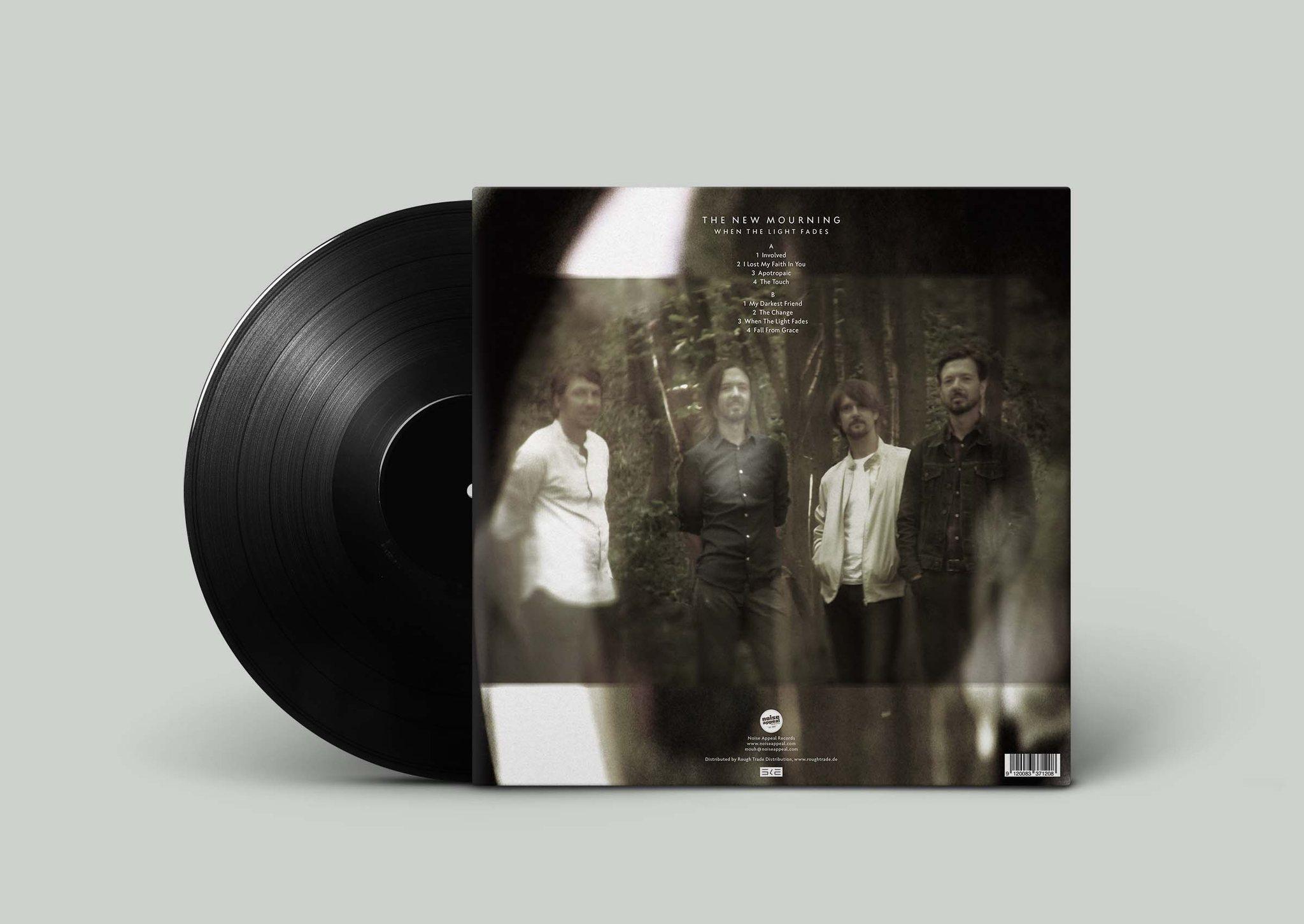
The work on the album was completed in January 2020, but due to the pandemic When The Light Fades (Noise Appeal Records, noise123… LP) didn’t see the light of day until May 2022.
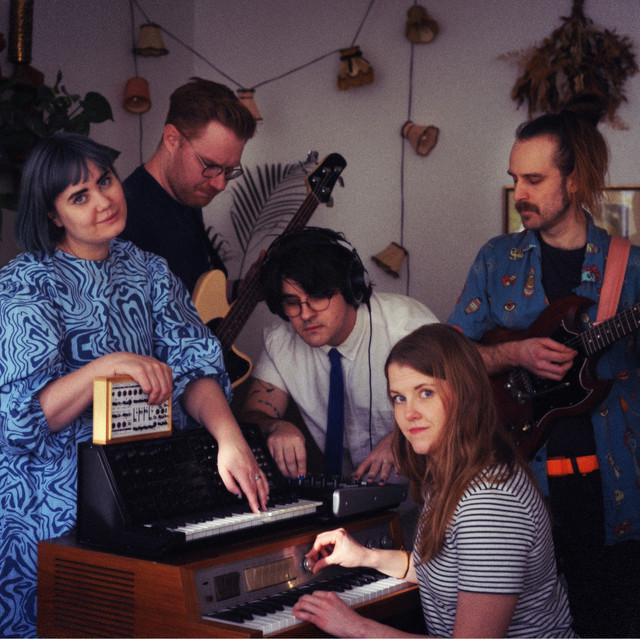
In January 2024 the band gathered once more in Pronai’s studio to start recording the second album. Two years of live shows have sharpened the sound. The Bass VI is ever more central to the sound, transforming The New Mourning into a three guitar band, creating a very unique “wall of guitars”.
Viberate is a music analytics platform built for A&Rs, artist managers, labels, booking agents, marketers, and artists.
It helps music professionals track artist growth, analyze audience data, monitor playlist activity, compare artists, follow song performance, and identify opportunities across the music market.
Public artist pages provide a free preview of selected artist data. Paid plans provide access to deeper analytics, historical data, charts, comparisons, playlist tools, exports, alerts, reports, and additional professional features.
Yes. Public Viberate artist pages provide selected artist analytics and music data for free.
Viberate also offers a 7-day free trial of the full platform. A credit card is required to start the trial. The trial includes access to the complete product so users can test deeper artist analytics, historical views, playlist insights, comparisons, charts, exports, alerts, and reporting features before choosing a paid plan.
Viberate provides artist analytics across streaming, playlists, social media, video, radio airplay, songs, and audience markets.
Users can analyze Spotify performance, Spotify and Apple Music playlists, YouTube activity, TikTok and Instagram growth, radio spins, song performance, audience locations, demographics, rankings, and overall artist momentum.
Artist profiles also connect to music charts, similar artists, and comparison tools, helping users benchmark performance and evaluate artists in context.
Viberate updates key artist and track data daily.
For followed artists and tracks, selected data is refreshed multiple times per day. This helps teams monitor playlist changes, streaming movement, audience growth, releases, and campaign performance with more current data.
Update frequency can vary depending on the metric and data source.
Yes. Viberate lets users compare up to five artists side by side across streaming, social media, audience, and engagement metrics.
Users can compare fanbase growth, audience demographics, locations, Spotify performance, social metrics, and other artist data over selected time periods.
Artist comparison can be used for A&R scouting, benchmarking, booking decisions, campaign planning, and evaluating artists with similar audiences or market positions.