The New Mastersounds

R&B
Funk
Jazz Fusion
 Viberate Rank: 56653
 Viberate Rank: 56653
 Monthly ListenersFollowers
 Subscribers
 Followers
 Followers
 FansTop Spotify Songs
| Track | 7-Day Streams | |
|---|---|---|
1 | 45.12K | |
2 | 22.39K | |
3 | 15.02K | |
4 | 8.90K | |
5 | 7.87K |
Top YouTube VideosMonthly ListenersFeatured in Playlists| Playlist | Followers | |
|---|---|---|
1 |  Women of Jazz Spotify | 865.65K |
2 |  Jazz-Funk Spotify | 425.91K |
3 |  Instrumental Funk Spotify | 394.16K |
4 |  All Funked Up Spotify | 389.82K |
5 |  I Love My 00s Funk Spotify | 79.16K |
Audience| City | Monthly Listeners | |
|---|---|---|
1 |  | 3.69K |
2 | | 3.21K |
3 |  | 3.09K |
4 | | 2.91K |
5 | | 2.75K |
See full performance history, audience data, playlist activity, rankings, comparisons, and more in Viberate music analytics. Start with a free trial, then continue with a paid plan.
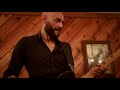
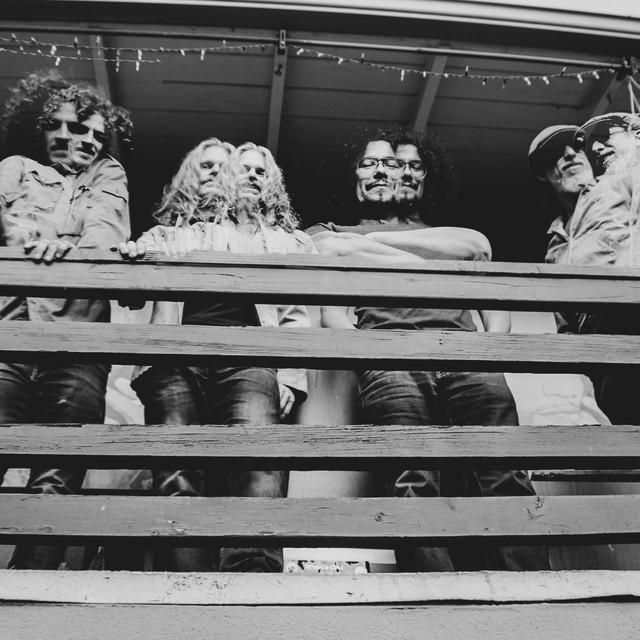
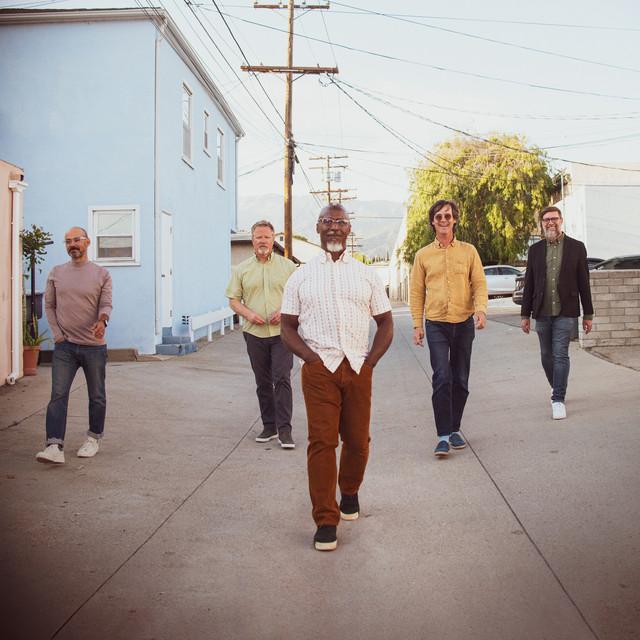
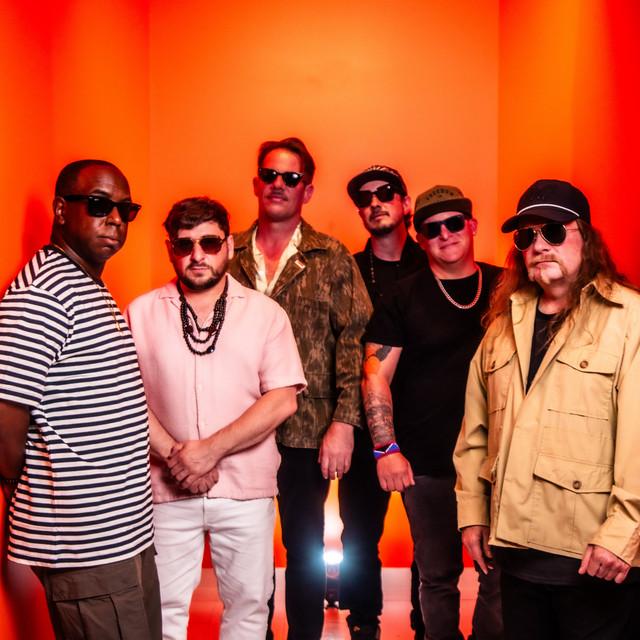
The New Mastersounds’ Spotify BioOne of the cornerstone acts of the U.K. retro-soul scene, the New Mastersounds play taut, old-school funk, vintage R&B, and groove jazz with a confident swing that has earned them positive press and led to collaborations with major acts across the globe. The bulk of their recordings are instrumentals, though they've cut sessions with noted vocalists, including Corinne Bailey Rae on 2003's Be Yourself and Lamar Williams, Jr. on 2019's Shake It. After three years sidelined by outside circumstances, the New Mastersounds returned with 2022's The Deplar Effect, recorded when the band gathered in Iceland.
The New Mastersounds were formed in 1999 by guitarist Eddie Roberts, who was DJ'ing at a weekly club night in Leeds devoted to classic soul and funk. When the event moved to a new venue that covered two floors, Roberts saw the opportunity to add a live band to the mix, and he recruited drummer Simon Allen, who had previously played with Roberts in a band called the Mastersounds. With the… addition of Pete Shand on bass and Bob Birch on piano and organ, the new act was complete, and in tribute to their old group, Roberts and Allen dubbed the combo the New Mastersounds.
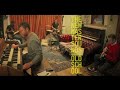
It didn't take long for word about the New Mastersounds to spread, and in 2000 they released a pair of 7" singles on Blow It Hard Records drawn from early rehearsal tapes. In 2001, they recorded their first full-length album, Keb Darge Presents: The New Mastersounds, which was issued on Darge's Deep Funk label; the album earned enthusiastic reviews, and top DJs such as Cut Chemist, Pete Rock, and DJ Shadow sampled their grooves. Their second LP, 2003's Be Yourself, included guest vocals from Corinne Bailey Rae, and following a third studio set, 2005's This Is What We Do, the band documented the sound of its fabled live sets on 2006's Live at La Cova, recorded at a club gig in Spain. In 2006, the New Mastersounds briefly expanded to a five-piece with the addition of Rob Lavers on sax and flute (a number of guest horn players have recorded and toured with the group over the years), but he parted ways with them in 2007, the same year Bob Birch left the lineup, making way for new keyboard man Joe Tatton.
As the New Mastersounds toured clubs and festivals around the world, they continued to attract new fans, including American funk legends Art Neville of the Neville Brothers, Maceo Parker and Fred Wesley of James Brown's J.B.'s, and George Porter, Jr. of the Meters, all of whom have jammed with the combo on-stage. In 2008, they collaborated with vocalist Dionne Charles on the album Plug & Play, and in 2009 they celebrated their tenth anniversary with the appropriately titled Ten Years On, which included guest spots from Grace Potter, Chip Wickham, and Skerik. Having established a strong fan base in the U.K., Europe, and Japan, the New Mastersounds began looking to the United States. During a stay in Texas, they cut Breaks from the Border (2011), which featured vocals from the group members for the first time. Out on the Faultline (2012) was a Bay Area affair, recorded in Oakland and San Francisco. It was followed by The Hamburg Session (2013), a performance documented in Germany. The band's studio recordings resumed with Therapy (2014) and Made for Pleasure (2015), made near Red Rocks, Colorado and New Orleans, respectively.
At the end of the 2014/2015 tour, the New Mastersounds entered the Welcome to 1979 studio in Nashville. They selected tunes from previous albums that had evolved in concert over the previous decade. In front of a small, invited studio audience, the band multi-tracked these tunes -- as well as a fresh take of jazz guitarist Grant Green's arrangement of James Brown's "In the Middle" -- live to 1" tape during that single session. Following the performance, the recordings were mixed down to 1/4" stereo tape, then cut direct to vinyl lacquers. The album was released in a limited edition of 1,000 vinyl copies in April of 2016. Recorded in two separate sessions, one in New Orleans and the other in Denver a few months later, Renewable Energy, the band's 11th studio long-player, arrived in 2018. The following year, they collaborated with Atlanta-based vocalist Lamar Williams, Jr. for Shake It.
The group's activities were put on pause by the COVID-19 pandemic shutdowns of 2020, and they didn't get a chance to work together until they made 2022's The Deplar Effect. The sessions were recorded at Floki Studios, a residential studio on the Deplar Farm in Troll Peninsula, Iceland, where they were inspired by the natural beauty that surrounded them. Lamar Williams, Jr. once again guested on the sessions, appearing on the LPs first single, "Let Me in from the Cold." Another track from The Deplar Effect, "Watchu Want," was made available as an NFT, which allowed fans to access a bonus interview with the bandmembers and recordings of a concert in Spain. ~ Mark Deming, Rovi
Viberate is a music analytics platform built for A&Rs, artist managers, labels, booking agents, marketers, and artists.
It helps music professionals track artist growth, analyze audience data, monitor playlist activity, compare artists, follow song performance, and identify opportunities across the music market.
Public artist pages provide a free preview of selected artist data. Paid plans provide access to deeper analytics, historical data, charts, comparisons, playlist tools, exports, alerts, reports, and additional professional features.
Yes. Public Viberate artist pages provide selected artist analytics and music data for free.
Viberate also offers a 7-day free trial of the full platform. A credit card is required to start the trial. The trial includes access to the complete product so users can test deeper artist analytics, historical views, playlist insights, comparisons, charts, exports, alerts, and reporting features before choosing a paid plan.
Viberate provides artist analytics across streaming, playlists, social media, video, radio airplay, songs, and audience markets.
Users can analyze Spotify performance, Spotify and Apple Music playlists, YouTube activity, TikTok and Instagram growth, radio spins, song performance, audience locations, demographics, rankings, and overall artist momentum.
Artist profiles also connect to music charts, similar artists, and comparison tools, helping users benchmark performance and evaluate artists in context.
Viberate updates key artist and track data daily.
For followed artists and tracks, selected data is refreshed multiple times per day. This helps teams monitor playlist changes, streaming movement, audience growth, releases, and campaign performance with more current data.
Update frequency can vary depending on the metric and data source.
Yes. Viberate lets users compare up to five artists side by side across streaming, social media, audience, and engagement metrics.
Users can compare fanbase growth, audience demographics, locations, Spotify performance, social metrics, and other artist data over selected time periods.
Artist comparison can be used for A&R scouting, benchmarking, booking decisions, campaign planning, and evaluating artists with similar audiences or market positions.