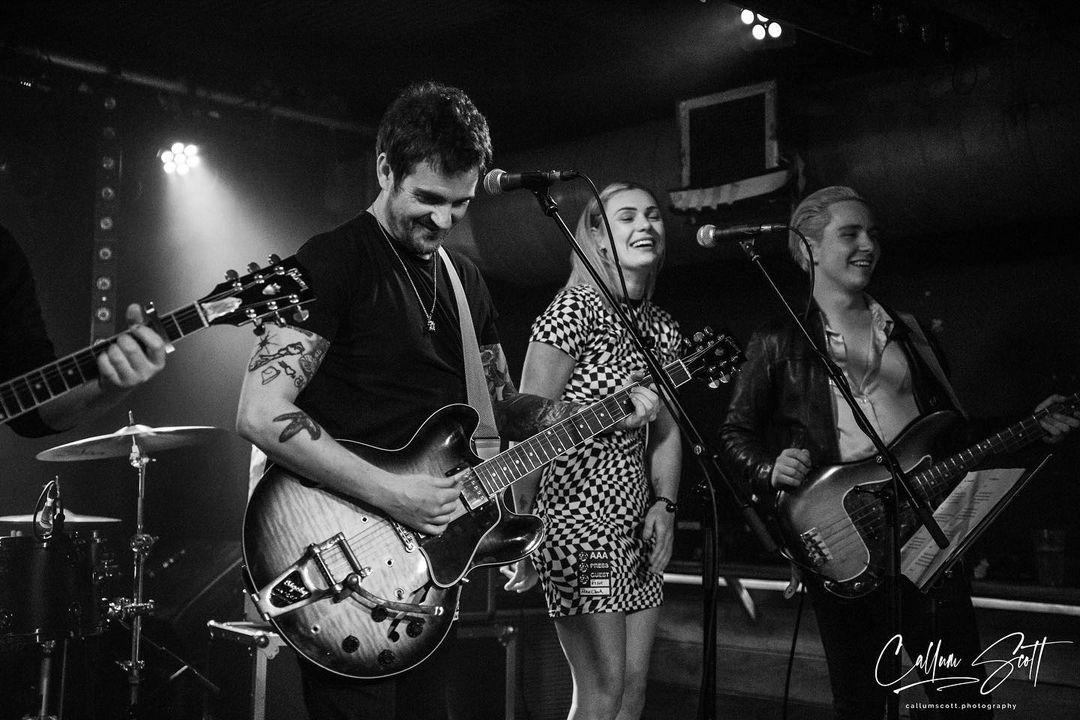
The Naked Feedback

Rock
Alternative Rock
Indie Rock
 Viberate Rank: 618907
 Viberate Rank: 618907
 Monthly ListenersFollowers
 Subscribers
 Followers
 Followers
 FansTop Spotify Songs
| Track | 7-Day Streams | |
|---|---|---|
1 | 8 | |
2 | 6 | |
3 | 6 | |
4 | 5 | |
5 | 4 |
Top YouTube VideosMonthly ListenersFeatured in Playlists| Playlist | Followers | |
|---|---|---|
1 |  Rangers Official Playlist Rangers FC | 19.31K |
Audience| City | Monthly Listeners | |
|---|---|---|
1 | | 14 |
2 | | 4 |
See full performance history, audience data, playlist activity, rankings, comparisons, and more in Viberate music analytics. Start with a free trial, then continue with a paid plan.
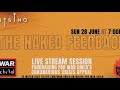
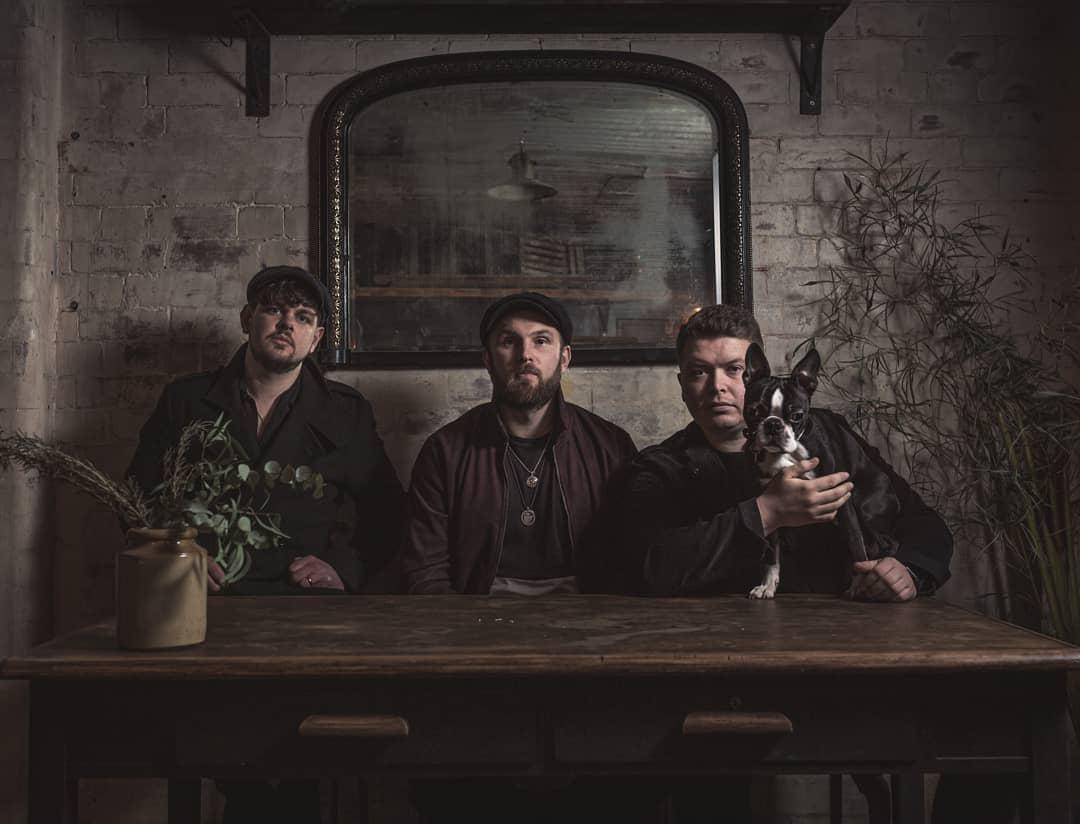
The Naked Feedback’s Spotify BioThe Naked Feedback is a 4-piece Rock group from Blantyre, Scotland.
The act is made up of: lead singer and rhythm guitarist Dean Anderson; Lead guitarist and backing singer Callum Anderson; Jacko on Bass guitar, backing vocals, and Synth; and Derek Whiteford on Drums, percussion, and backing vocals.
Drawing their sound from Queens of the Stone Age, lyricism from John Cooper Clarke, the band's image is a modern take on Marlon Brando’s The Wild One but with a darker twist.
Before the pandemic, The Naked Feedback performed a sold out hometown in 2 days with a buzz starting to seriously follow the band wherever they went.
During the pandemic the band organised a small tour of their local town and played a “pop-up tour” at nursing homes and sheltered housing for the elderly residents and the staff who worked there. Whilst many bands laid low, The Naked Feedback took on their most ambitious project in Nov 2020 by taking on Billie Eilish with their alternative James Bond Theme “Fallen for a Spy”.…
With the world still in upheaval, 2021 birthed a new single “Boys Can Cry”, a deeply personal song about male mental health. A strong message that was carried through all shows from that year.
Now, the band are revitalised from their relative downtime. The new mantra is to play more shows and release music more often. “2EVIL2SOON” is the band's self confessed best track to date. No better way to start a new post COVID world.
Viberate is a music analytics platform built for A&Rs, artist managers, labels, booking agents, marketers, and artists.
It helps music professionals track artist growth, analyze audience data, monitor playlist activity, compare artists, follow song performance, and identify opportunities across the music market.
Public artist pages provide a free preview of selected artist data. Paid plans provide access to deeper analytics, historical data, charts, comparisons, playlist tools, exports, alerts, reports, and additional professional features.
Yes. Public Viberate artist pages provide selected artist analytics and music data for free.
Viberate also offers a 7-day free trial of the full platform. A credit card is required to start the trial. The trial includes access to the complete product so users can test deeper artist analytics, historical views, playlist insights, comparisons, charts, exports, alerts, and reporting features before choosing a paid plan.
Viberate provides artist analytics across streaming, playlists, social media, video, radio airplay, songs, and audience markets.
Users can analyze Spotify performance, Spotify and Apple Music playlists, YouTube activity, TikTok and Instagram growth, radio spins, song performance, audience locations, demographics, rankings, and overall artist momentum.
Artist profiles also connect to music charts, similar artists, and comparison tools, helping users benchmark performance and evaluate artists in context.
Viberate updates key artist and track data daily.
For followed artists and tracks, selected data is refreshed multiple times per day. This helps teams monitor playlist changes, streaming movement, audience growth, releases, and campaign performance with more current data.
Update frequency can vary depending on the metric and data source.
Yes. Viberate lets users compare up to five artists side by side across streaming, social media, audience, and engagement metrics.
Users can compare fanbase growth, audience demographics, locations, Spotify performance, social metrics, and other artist data over selected time periods.
Artist comparison can be used for A&R scouting, benchmarking, booking decisions, campaign planning, and evaluating artists with similar audiences or market positions.