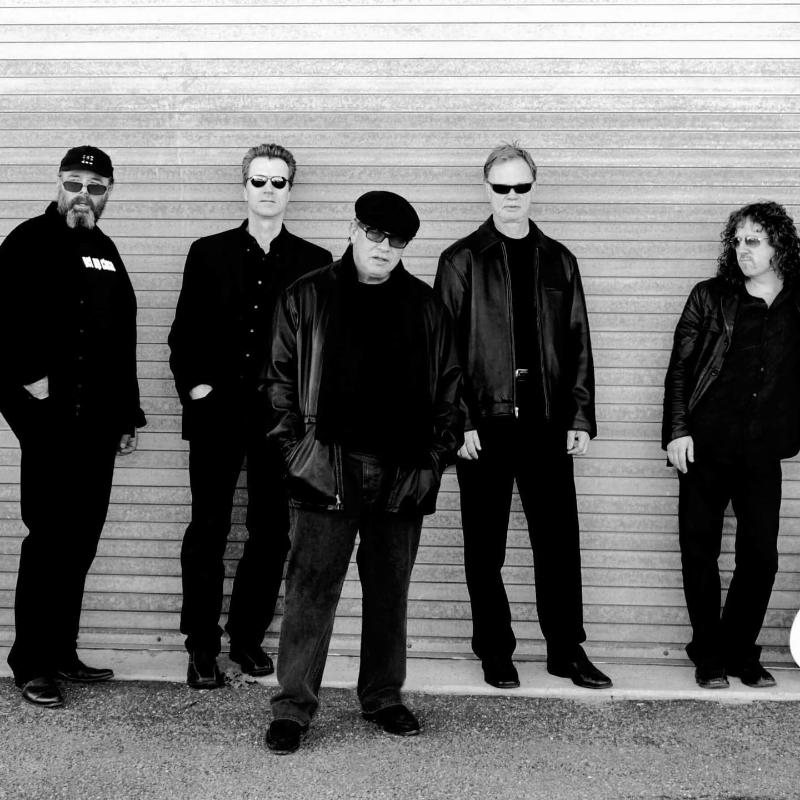
The Mystix

Blues
Blues Rock
Contemporary Blues
 Viberate Rank: 147941
 Viberate Rank: 147941
 Monthly ListenersFollowers
 Subscribers
 Followers
 Followers
 FansTop Spotify Songs
| Track | 7-Day Streams | |
|---|---|---|
1 | 8.62K | |
2 | 8.19K | |
3 | 4.78K | |
4 | 1.20K | |
5 | 1.17K |
Top YouTube VideosMonthly ListenersFeatured in Playlists| Playlist | Followers | |
|---|---|---|
1 |  Blues Roots Spotify | 1.07M |
2 |  #Frankymostro frankymostro | 17.16K |
3 |  Relaxing Blues Music Relaxing Blues Music | 10.26K |
4 |  Apocalypse Radio - end of the world playlist Jackson Harden | 8.60K |
5 |  WWOZ 90.7 FM (New Orleans Radio) Bryson Whitney | 6.48K |
Audience| City | Monthly Listeners | |
|---|---|---|
1 |  | 1.46K |
2 | | 608 |
3 |  | 606 |
4 | | 551 |
5 | | 544 |
See full performance history, audience data, playlist activity, rankings, comparisons, and more in Viberate music analytics. Start with a free trial, then continue with a paid plan.
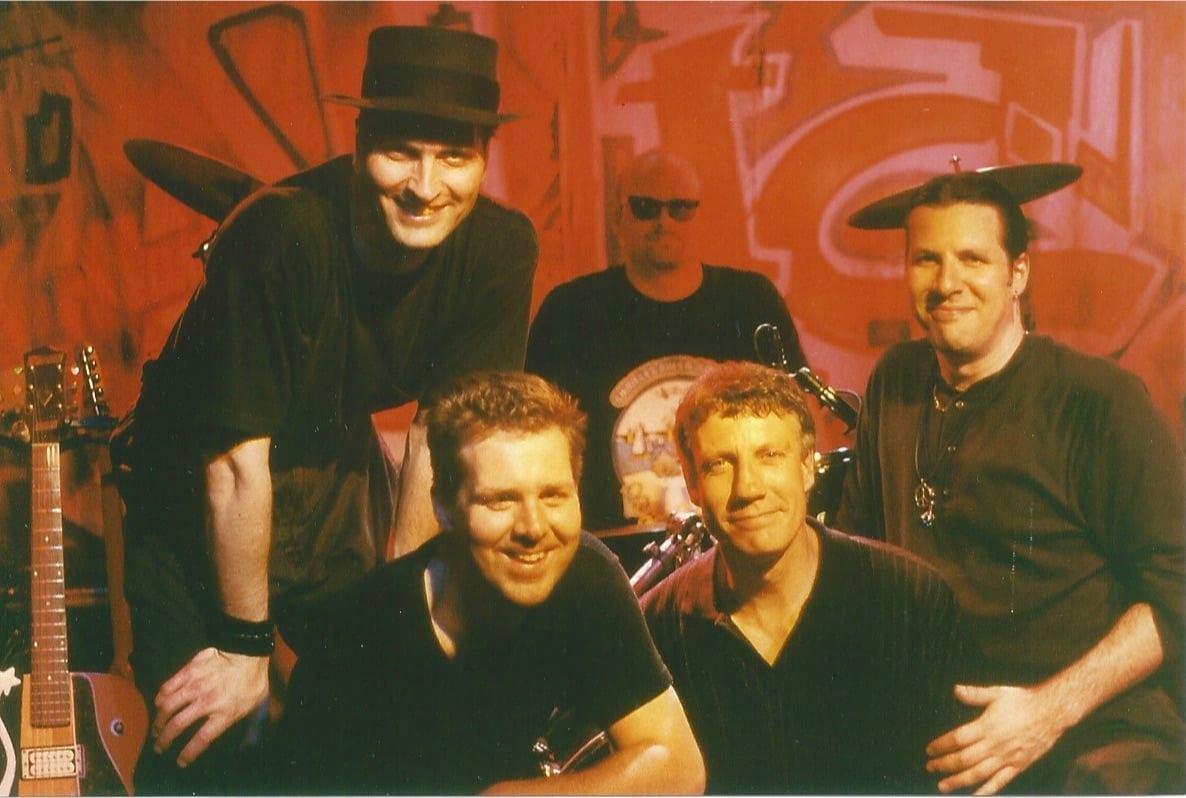
The Mystix’s Spotify BioThe Mystix deliver a raw, road-worn blend of Americana, roots, and blues, led by Boston’s own Jo Lily and Bobby B. Keyes. Known for his grit, soul, and storytelling, Jo first broke out as the voice of cult rock band Duke and the Drivers before carving a name as a songwriter whose words cut deep. Many of The Mystix’s most-loved songs were written by Lily himself, including their top-performing tracks.
Bobby Keyes, a veteran guitarist and producer with credits from Lil Wayne to Jerry Lee Lewis, brings the signature groove and studio finesse that define The Mystix sound: timeless, soulful, and unmistakably their own.
Formed in Boston, The Mystix are anchored by a powerhouse lineup of New England’s finest: Marty Ballou (Peter Wolf) on bass, Marco Giovino (Robert Plant) on drums, Duke Levine (Bonnie Raitt) and Stu Kimball (Bob Dylan) on guitar, Kevin Barry (Jackson Browne), Bobby Spellman on horns, Sax Gordon on sax, and Matt Leavenworth on fiddle.
Surrounding the core are collaborators from… across the roots and blues world: Larry Campbell, Luther Dickinson, Jesse Williams, Byron House, Ben Alleman, Tom West, Jerry Portnoy, Annie Raines, Neil Pawley, Marty Richards, and Justin Guip, with ties to Bob Dylan, Muddy Waters, Levon Helm, North Mississippi Allstars, Southside Johnny, and more.
At their heart, The Mystix are storytellers, crafting original songs steeped in the American experience, played with honesty, spirit, and soul.
Viberate is a music analytics platform built for A&Rs, artist managers, labels, booking agents, marketers, and artists.
It helps music professionals track artist growth, analyze audience data, monitor playlist activity, compare artists, follow song performance, and identify opportunities across the music market.
Public artist pages provide a free preview of selected artist data. Paid plans provide access to deeper analytics, historical data, charts, comparisons, playlist tools, exports, alerts, reports, and additional professional features.
Yes. Public Viberate artist pages provide selected artist analytics and music data for free.
Viberate also offers a 7-day free trial of the full platform. A credit card is required to start the trial. The trial includes access to the complete product so users can test deeper artist analytics, historical views, playlist insights, comparisons, charts, exports, alerts, and reporting features before choosing a paid plan.
Viberate provides artist analytics across streaming, playlists, social media, video, radio airplay, songs, and audience markets.
Users can analyze Spotify performance, Spotify and Apple Music playlists, YouTube activity, TikTok and Instagram growth, radio spins, song performance, audience locations, demographics, rankings, and overall artist momentum.
Artist profiles also connect to music charts, similar artists, and comparison tools, helping users benchmark performance and evaluate artists in context.
Viberate updates key artist and track data daily.
For followed artists and tracks, selected data is refreshed multiple times per day. This helps teams monitor playlist changes, streaming movement, audience growth, releases, and campaign performance with more current data.
Update frequency can vary depending on the metric and data source.
Yes. Viberate lets users compare up to five artists side by side across streaming, social media, audience, and engagement metrics.
Users can compare fanbase growth, audience demographics, locations, Spotify performance, social metrics, and other artist data over selected time periods.
Artist comparison can be used for A&R scouting, benchmarking, booking decisions, campaign planning, and evaluating artists with similar audiences or market positions.