The Morningside

Metal
Doom/Sludge Metal
Heavy Metal
 Viberate Rank: 352731
 Viberate Rank: 352731
 Monthly ListenersFollowers
 Subscribers
 Followers
 Followers
 FansTop Spotify Songs
| Track | 7-Day Streams | |
|---|---|---|
1 | 144 | |
2 | 120 | |
3 | 101 | |
4 | 91 | |
5 | 86 |
Top YouTube Videos| Video | 7-Day Views | |
|---|---|---|
1 | 2 |
Monthly ListenersFeatured in Playlists| Playlist | Followers | |
|---|---|---|
1 |  Gothic / Dark / Doom Metal x505Metalheadx | 5.38K |
2 |  Doom Metal Radio playlist Solitude Productions | 4.88K |
3 | Atmospheric post-black/doom/folk/grey metal & neofolk algorab | 2.73K |
4 |  Black/Death/Trash Metal Leeloki | 2.69K |
5 |  Post-Black Metal / Blackgaze Ryan Higgo | 2.21K |
Audience| City | Monthly Listeners | |
|---|---|---|
1 |  | 23 |
2 |  | 12 |
3 |  | 11 |
4 |  | 9 |
5 |  | 9 |
See full performance history, audience data, playlist activity, rankings, comparisons, and more in Viberate music analytics. Start with a free trial, then continue with a paid plan.
The Morningside’s Spotify BioThere is version you can find out from different sources saying that group The Morningside exists from the very beginning of the world. That its drummer being husband declining years old drummed fervently during the first Azov campaign of Peter the Great. It may well be.
Nevertheless, history of group started from May 2005 in Moscow. That time Igor Nikitin stopped his active work in the frameworks of britpop project Piterpen and decided to alter and finish something from his heavy-metal records of 1993-94 with support of bass-guitarist Ilya Egorychev. "The Shadows Of The Past" was recorded in the beginning of 2006 unhurriedly as well after that the work under debut album was started.
By that time guitarist Sergey Chelyadinov joined the project, and a little bit later in summer 2006 drummer Vlad Zaychikov joined as well. So The Morningside initially was established as a studio project became the full group and began rehearsals.
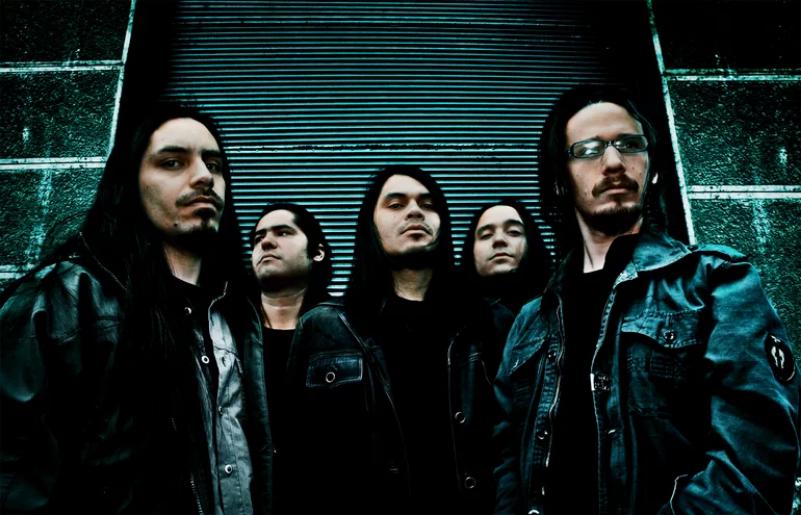
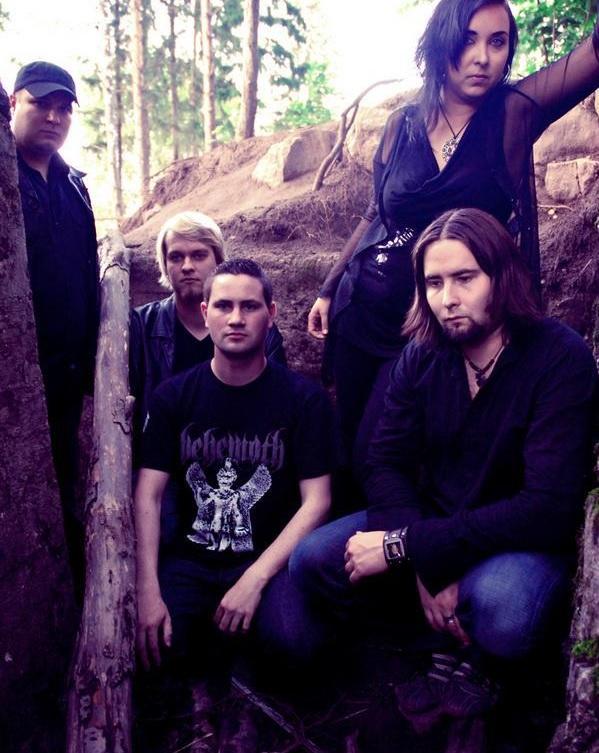
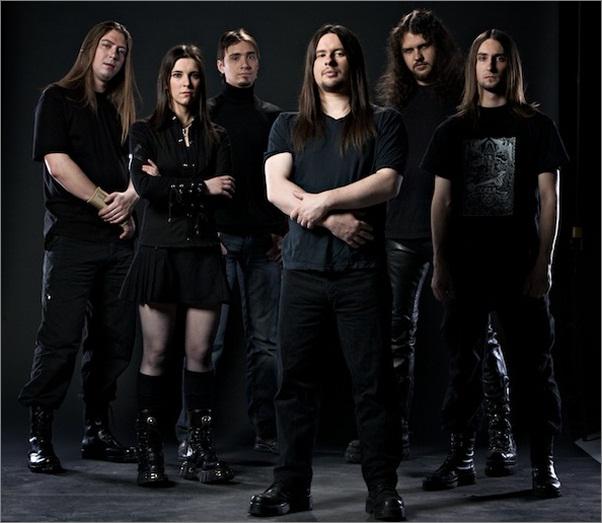
In the beginning 2007 Vlad left the team because of high… workload in other bands and his place was taken by inimitable Boris Sergeev. So composed, the team exists to present day works on new records and continues performing regularly in Moscow and other Russian cities. The Morningside, are:
Igor Nikitin - guitars, vocal
Sergey Chelyadinov - guitars
Ilya Egorychev - bass-guitar
Boris Sergeev - drums
Viberate is a music analytics platform built for A&Rs, artist managers, labels, booking agents, marketers, and artists.
It helps music professionals track artist growth, analyze audience data, monitor playlist activity, compare artists, follow song performance, and identify opportunities across the music market.
Public artist pages provide a free preview of selected artist data. Paid plans provide access to deeper analytics, historical data, charts, comparisons, playlist tools, exports, alerts, reports, and additional professional features.
Yes. Public Viberate artist pages provide selected artist analytics and music data for free.
Viberate also offers a 7-day free trial of the full platform. A credit card is required to start the trial. The trial includes access to the complete product so users can test deeper artist analytics, historical views, playlist insights, comparisons, charts, exports, alerts, and reporting features before choosing a paid plan.
Viberate provides artist analytics across streaming, playlists, social media, video, radio airplay, songs, and audience markets.
Users can analyze Spotify performance, Spotify and Apple Music playlists, YouTube activity, TikTok and Instagram growth, radio spins, song performance, audience locations, demographics, rankings, and overall artist momentum.
Artist profiles also connect to music charts, similar artists, and comparison tools, helping users benchmark performance and evaluate artists in context.
Viberate updates key artist and track data daily.
For followed artists and tracks, selected data is refreshed multiple times per day. This helps teams monitor playlist changes, streaming movement, audience growth, releases, and campaign performance with more current data.
Update frequency can vary depending on the metric and data source.
Yes. Viberate lets users compare up to five artists side by side across streaming, social media, audience, and engagement metrics.
Users can compare fanbase growth, audience demographics, locations, Spotify performance, social metrics, and other artist data over selected time periods.
Artist comparison can be used for A&R scouting, benchmarking, booking decisions, campaign planning, and evaluating artists with similar audiences or market positions.