The Monolators

Pop
Indie Pop
Garage Rock
 Viberate Rank: 913529
 Viberate Rank: 913529
 Monthly ListenersFollowers
 Subscribers
 Followers
 Followers
 FansTop Spotify Songs
| Track | 7-Day Streams | |
|---|---|---|
1 | 2 |
Top YouTube VideosMonthly ListenersFeatured in PlaylistsAudience| City | Monthly Listeners | |
|---|---|---|
1 | | 3 |
See full performance history, audience data, playlist activity, rankings, comparisons, and more in Viberate music analytics. Start with a free trial, then continue with a paid plan.
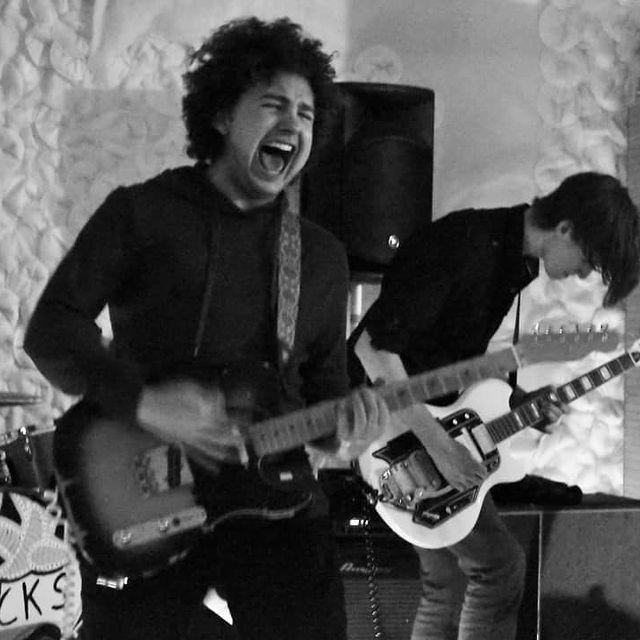
The Monolators’ Spotify BioLed by the husband-and-wife team of Eli Chartkoff on guitar and vocals and Mary Chartkoff on drums, the Monolators are a pop combo who play a revved-up blend of first-generation punk and vintage rock & roll with clever, witty, and heartfelt lyrics to go along with their abundant melodic hooks. Based in Los Angeles, the Chartkoffs formed the Monolators in 2002, with Eli on bass, Michael Dennis on guitar, and Mary on drums; the three met while jamming with a band called the Heinous Brothers, who rehearsed a lot but almost never played out, and the Monolators (originally the Monolators from Lonely 451) were created so they could expose their work to a wider audience. The Monolators recorded their first album, 2003's Rejection Set Me Free, as a trio, but Dennis left the group in 2005, and the band soldiered on as a duo, with Eli moving to guitar. This streamlined lineup recorded the band's second LP, 2006's Our Tears Have Wings, but before long the band expanded to a quartet with the… addition of Ray Gurrola on guitar and Ashley Jex on bass. The four-piece Monolators became a draw on the L.A. club circuit, known for their high-energy performances and smart songcraft, as well as winning airplay on a number of leading indie radio outlets in Southern California. The title track from the 2007 EP You Look Good on the Train was named one of the Top 25 songs of the year by LA Weekly, which also named the Monolators one of the area's "Buzz Bands." When the group cut its third full-length album, 2008's Don't Dance, it had expanded to a five-piece with the addition of Jillinda Palmer on keyboards. ~ Mark Deming, Rovi
Viberate is a music analytics platform built for A&Rs, artist managers, labels, booking agents, marketers, and artists.
It helps music professionals track artist growth, analyze audience data, monitor playlist activity, compare artists, follow song performance, and identify opportunities across the music market.
Public artist pages provide a free preview of selected artist data. Paid plans provide access to deeper analytics, historical data, charts, comparisons, playlist tools, exports, alerts, reports, and additional professional features.
Yes. Public Viberate artist pages provide selected artist analytics and music data for free.
Viberate also offers a 7-day free trial of the full platform. A credit card is required to start the trial. The trial includes access to the complete product so users can test deeper artist analytics, historical views, playlist insights, comparisons, charts, exports, alerts, and reporting features before choosing a paid plan.
Viberate provides artist analytics across streaming, playlists, social media, video, radio airplay, songs, and audience markets.
Users can analyze Spotify performance, Spotify and Apple Music playlists, YouTube activity, TikTok and Instagram growth, radio spins, song performance, audience locations, demographics, rankings, and overall artist momentum.
Artist profiles also connect to music charts, similar artists, and comparison tools, helping users benchmark performance and evaluate artists in context.
Viberate updates key artist and track data daily.
For followed artists and tracks, selected data is refreshed multiple times per day. This helps teams monitor playlist changes, streaming movement, audience growth, releases, and campaign performance with more current data.
Update frequency can vary depending on the metric and data source.
Yes. Viberate lets users compare up to five artists side by side across streaming, social media, audience, and engagement metrics.
Users can compare fanbase growth, audience demographics, locations, Spotify performance, social metrics, and other artist data over selected time periods.
Artist comparison can be used for A&R scouting, benchmarking, booking decisions, campaign planning, and evaluating artists with similar audiences or market positions.