The Molochs

Pop
Indie Pop
 Viberate Rank: 361079
 Viberate Rank: 361079
 Monthly ListenersFollowers
 Subscribers
 Followers
 Followers
 FansTop Spotify Songs
| Track | 7-Day Streams | |
|---|---|---|
1 | 158 | |
2 | 59 | |
3 | 40 | |
4 | 35 | |
5 | 25 |
Top YouTube VideosMonthly ListenersFeatured in Playlists| Playlist | Followers | |
|---|---|---|
1 |  Loudermilk Playlist - All the Songs LEGENDARICA | 30.77K |
2 |  El Sótano de Radio 3 Groovyfamily | 9.84K |
3 |  Stack Hype Machine | 5.16K |
4 |  Drive Time: F1 The Album PlayStation®️ | 4.44K |
5 | Free People | Music In Our Stores Free People | 3.50K |
Audience| City | Monthly Listeners | |
|---|---|---|
1 |  | 29 |
2 | | 24 |
3 |  | 21 |
4 | | 17 |
5 | | 16 |
See full performance history, audience data, playlist activity, rankings, comparisons, and more in Viberate music analytics. Start with a free trial, then continue with a paid plan.
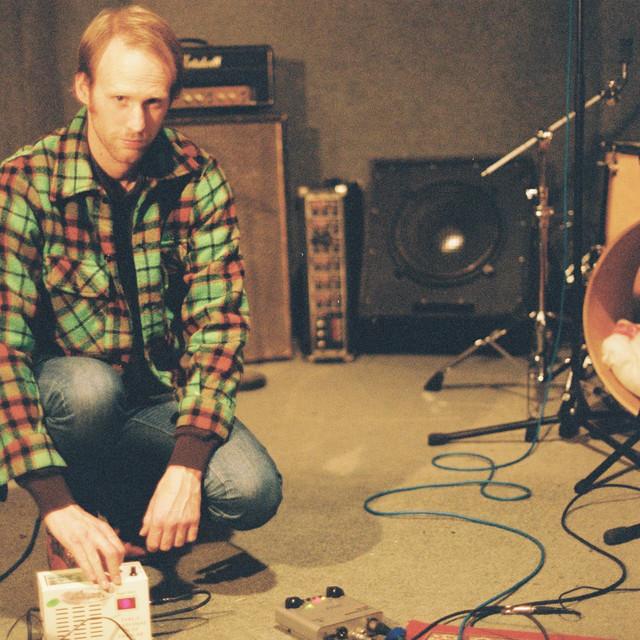
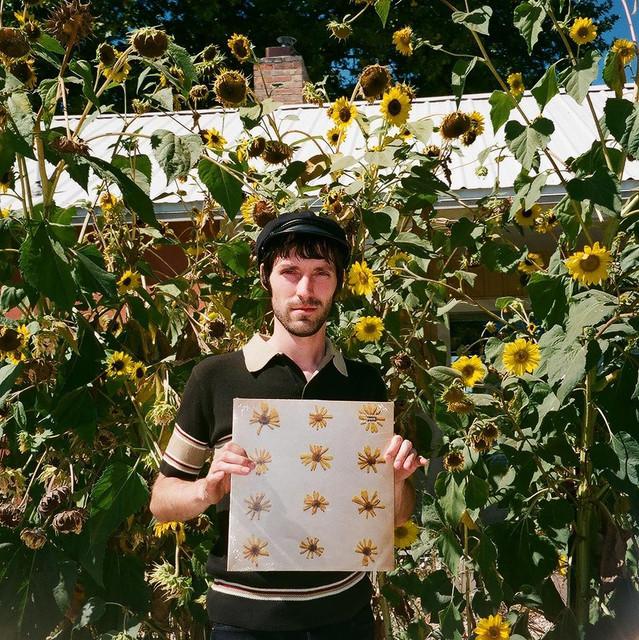
The Molochs’ Spotify BioAmerica’s Velvet Glory was the earliest burst of light and energy to hit in 2017, an album of electrified rock ‘n’ roll like Bob Dylan and Lou Reed. Their first-ever record for LA's Innovative Leisure label, AVG sparked the Molochs' first-ever U.S and European tours, first-ever festival sets, first-ever international press and more. (Top music mag Mojo even said they’d made one of the year’s best albums—“Any year!”) Flowers in the Spring bloomed almost exactly a year later at Long Beach’s Jazzcats studio, where founder/vocalist Lucas Fitzsimons and longtime band member Ryan Foster had recorded AVG.
As on Glory, inspiration from Syd Barrett, Dylan, Nikki Sudden and kindred spirit Peter Perrett of The Only Ones was at work, but the Molochs are endlessly ravenous when it comes to things to read and listen to and learn from. On Flowers they’d refine and recombine their sound, working in that long tradition of poets who cover (or discover) themselves in pop songs. “To Kick In A Lover’s Door”… blows Flowers open with the wit and precision of the The Go-Betweens and “I Wanna Say To You” draws more from some of Creation Records' dreamiest dreamers than it does from any esoteric 60s howlers. “Flowers In The Spring” and “Pages Of Your Journal” could be two lost The Kinks singles from two different Kinks eras—that Ray Davies-ian venom stays the same, of course—and the charming/disarming “Too Lost In Love” makes feeling down sound like cheering up, just like The Clean did. -C. Ziegler
Viberate is a music analytics platform built for A&Rs, artist managers, labels, booking agents, marketers, and artists.
It helps music professionals track artist growth, analyze audience data, monitor playlist activity, compare artists, follow song performance, and identify opportunities across the music market.
Public artist pages provide a free preview of selected artist data. Paid plans provide access to deeper analytics, historical data, charts, comparisons, playlist tools, exports, alerts, reports, and additional professional features.
Yes. Public Viberate artist pages provide selected artist analytics and music data for free.
Viberate also offers a 7-day free trial of the full platform. A credit card is required to start the trial. The trial includes access to the complete product so users can test deeper artist analytics, historical views, playlist insights, comparisons, charts, exports, alerts, and reporting features before choosing a paid plan.
Viberate provides artist analytics across streaming, playlists, social media, video, radio airplay, songs, and audience markets.
Users can analyze Spotify performance, Spotify and Apple Music playlists, YouTube activity, TikTok and Instagram growth, radio spins, song performance, audience locations, demographics, rankings, and overall artist momentum.
Artist profiles also connect to music charts, similar artists, and comparison tools, helping users benchmark performance and evaluate artists in context.
Viberate updates key artist and track data daily.
For followed artists and tracks, selected data is refreshed multiple times per day. This helps teams monitor playlist changes, streaming movement, audience growth, releases, and campaign performance with more current data.
Update frequency can vary depending on the metric and data source.
Yes. Viberate lets users compare up to five artists side by side across streaming, social media, audience, and engagement metrics.
Users can compare fanbase growth, audience demographics, locations, Spotify performance, social metrics, and other artist data over selected time periods.
Artist comparison can be used for A&R scouting, benchmarking, booking decisions, campaign planning, and evaluating artists with similar audiences or market positions.