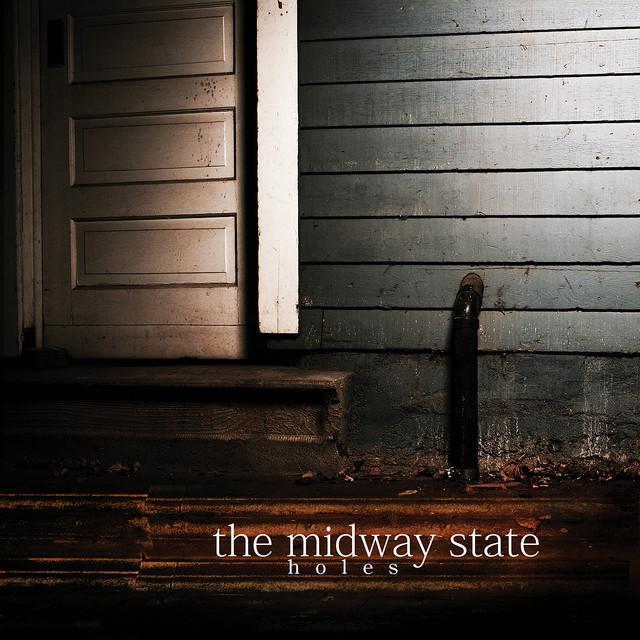
The Midway State

Rock
Alternative Rock
Mainstream Pop
 Viberate Rank: 391267
 Viberate Rank: 391267
 Monthly ListenersFollowers
 Subscribers
 Followers
 Followers
 FansTop Spotify Songs
| Track | 7-Day Streams | |
|---|---|---|
1 | 646 | |
2 | 147 | |
3 | 31 | |
4 | 27 | |
5 | 25 |
Top YouTube VideosMonthly ListenersFeatured in Playlists| Playlist | Followers | |
|---|---|---|
1 |  The OC Jamie Barmakian | 39.80K |
2 | The OC & More Sara P. DeLaMarre | 24.66K |
3 |  muchmusic countdowns 2000-2009 Brittany | 2.80K |
4 | I Hate College (Sam Adams) Elise Borman | 2.40K |
5 | Music from the OC (All Songs) Nick Tyminski | 1.03K |
Audience| City | Monthly Listeners | |
|---|---|---|
1 | | 319 |
2 | | 132 |
3 | | 107 |
4 | | 92 |
5 | | 91 |
See full performance history, audience data, playlist activity, rankings, comparisons, and more in Viberate music analytics. Start with a free trial, then continue with a paid plan.
The Midway State’s Spotify BioWith a memorable shaggy afro and a humble but charismatic demeanor, Midway State's piano-playing frontman Nathan Ferraro made a conscious decision at an early age that he was going to take a shot at breaking their piano emo-rock outfit into the music industry. Growing up in a musical family with seven siblings, he started writing songs at age 12 and a few years later, while attending high school in Collingwood, Ontario, he paired up with longtime pal and drummer Daenen Bramberger and started performing as Midway State with bassist Adam Beamish and guitarist Ryan Horning. Just after their first tour, with Ferraro and Bramberger at the ripe age of 17, the band packed up and moved to Toronto to settle into a single bedroom apartment and pursue their dreams of playing their songs for the masses. After being together almost three years and a brief period working in a flower shop, in September 2004, Ferraro received a phone call from producer Gavin Brown. Impressed by their homemade demo, he… befriended them and encouraged that they refine their sound by replacing the weaker musicians with seasoned professionals. Beamish and Horning were let go after much debate, and the remaining duo started searching for replacements on the East coast, taking auditions from music students from various schools, including Berklee School of Music and The University of Toronto's jazz program, before settling on a new lineup that consisted of Nathan Ferraro (vocals, piano, acoustic guitar), Daenen Bramberger (drums), Mike Kirsh (bass), and Michael Wise (guitar). After a brief tour to promote the new group, Brown spent over a year honing and perfecting their sound before recording their debut EP, Eponymous which was released in 2006. A year later, in 2007, their second EP Met a Man on Top of the Hill was released on Interscope and a video for their radio-friendly single, "Change for You" soon followed. ~ Jason Lymangrover, Rovi
Viberate is a music analytics platform built for A&Rs, artist managers, labels, booking agents, marketers, and artists.
It helps music professionals track artist growth, analyze audience data, monitor playlist activity, compare artists, follow song performance, and identify opportunities across the music market.
Public artist pages provide a free preview of selected artist data. Paid plans provide access to deeper analytics, historical data, charts, comparisons, playlist tools, exports, alerts, reports, and additional professional features.
Yes. Public Viberate artist pages provide selected artist analytics and music data for free.
Viberate also offers a 7-day free trial of the full platform. A credit card is required to start the trial. The trial includes access to the complete product so users can test deeper artist analytics, historical views, playlist insights, comparisons, charts, exports, alerts, and reporting features before choosing a paid plan.
Viberate provides artist analytics across streaming, playlists, social media, video, radio airplay, songs, and audience markets.
Users can analyze Spotify performance, Spotify and Apple Music playlists, YouTube activity, TikTok and Instagram growth, radio spins, song performance, audience locations, demographics, rankings, and overall artist momentum.
Artist profiles also connect to music charts, similar artists, and comparison tools, helping users benchmark performance and evaluate artists in context.
Viberate updates key artist and track data daily.
For followed artists and tracks, selected data is refreshed multiple times per day. This helps teams monitor playlist changes, streaming movement, audience growth, releases, and campaign performance with more current data.
Update frequency can vary depending on the metric and data source.
Yes. Viberate lets users compare up to five artists side by side across streaming, social media, audience, and engagement metrics.
Users can compare fanbase growth, audience demographics, locations, Spotify performance, social metrics, and other artist data over selected time periods.
Artist comparison can be used for A&R scouting, benchmarking, booking decisions, campaign planning, and evaluating artists with similar audiences or market positions.