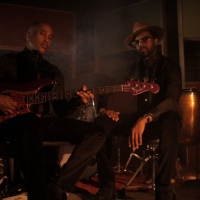
The Midnight Hour

Jazz
Jazz Fusion
 Viberate Rank: 222714
 Viberate Rank: 222714
 Monthly ListenersFollowers
 Subscribers
 Followers
 Followers
 FansTop Spotify Songs
| Track | 7-Day Streams | |
|---|---|---|
1 | 6.53K | |
2 | 722 | |
3 | 559 | |
4 | 312 | |
5 | 187 |
Top YouTube VideosMonthly ListenersFeatured in Playlists| Playlist | Followers | |
|---|---|---|
1 |  NPR Tiny Desk Concerts: compilation Tatiana Mangericão | 64.20K |
2 |  Songs and Their Samples Aidan Joyce | 52.71K |
3 |  Indications' Inspirations Durand Jones & The Indications | 35.68K |
4 |  NEO SOUL/FUNK/JAZZ sgsreed1 | 34.10K |
5 |  Chill And Play PlayStation®️ | 26.37K |
Audience| City | Monthly Listeners | |
|---|---|---|
1 | | 91 |
2 |  | 71 |
3 | | 63 |
4 | | 61 |
5 |  | 48 |
See full performance history, audience data, playlist activity, rankings, comparisons, and more in Viberate music analytics. Start with a free trial, then continue with a paid plan.
The Midnight Hour’s Spotify BioThe Midnight Hour is the work of Ali Shaheed Muhammad and Adrian Younge, accomplished producers whose self-titled 2018 album is synthesized orchestral soul and jazz as approached by golden-eared crate diggers. Known most for his membership in legendary rap group A Tribe Called Quest, Muhammad previously joined Younge -- familiar to deep listeners since his 2009 score for Black Dynamite -- on sessions for the likes of Souls of Mischief and Bilal. The two initiated the Midnight Hour in 2013 only to put the project on ice once they were commissioned to provide the score for the web television series Luke Cage. Eventually completed and issued in 2018 as a 20-cut double album, The Midnight Hour featured Raphael Saadiq, Laetitia Sadier, Bilal, and Marsha Ambrosius among its numerous guests. Not all of the songs were new. "Feel Alive," a duet between Karolina and Loren Oden, had previously appeared on a compilation from Younge's Linear Labs label, while the CeeLo Green collaboration… "Questions" had formed the basis of track six on Kendrick Lamar's untitled unmastered. Even more remarkably, a reinterpretation of Luther Vandross' "So Amazing" applied the original, 30-year-old vocal recording with the blessing of the late singer's estate. ~ Andy Kellman, Rovi
Viberate is a music analytics platform built for A&Rs, artist managers, labels, booking agents, marketers, and artists.
It helps music professionals track artist growth, analyze audience data, monitor playlist activity, compare artists, follow song performance, and identify opportunities across the music market.
Public artist pages provide a free preview of selected artist data. Paid plans provide access to deeper analytics, historical data, charts, comparisons, playlist tools, exports, alerts, reports, and additional professional features.
Yes. Public Viberate artist pages provide selected artist analytics and music data for free.
Viberate also offers a 7-day free trial of the full platform. A credit card is required to start the trial. The trial includes access to the complete product so users can test deeper artist analytics, historical views, playlist insights, comparisons, charts, exports, alerts, and reporting features before choosing a paid plan.
Viberate provides artist analytics across streaming, playlists, social media, video, radio airplay, songs, and audience markets.
Users can analyze Spotify performance, Spotify and Apple Music playlists, YouTube activity, TikTok and Instagram growth, radio spins, song performance, audience locations, demographics, rankings, and overall artist momentum.
Artist profiles also connect to music charts, similar artists, and comparison tools, helping users benchmark performance and evaluate artists in context.
Viberate updates key artist and track data daily.
For followed artists and tracks, selected data is refreshed multiple times per day. This helps teams monitor playlist changes, streaming movement, audience growth, releases, and campaign performance with more current data.
Update frequency can vary depending on the metric and data source.
Yes. Viberate lets users compare up to five artists side by side across streaming, social media, audience, and engagement metrics.
Users can compare fanbase growth, audience demographics, locations, Spotify performance, social metrics, and other artist data over selected time periods.
Artist comparison can be used for A&R scouting, benchmarking, booking decisions, campaign planning, and evaluating artists with similar audiences or market positions.